
Harbor seal (Phoca vitulina): appearance, range, behavior and conservation
Harbor seal (Phoca vitulina) is a widely distributed true seal of northern coastal waters. This article covers identification, habitat, feeding, reproduction, lifespan and conservation issues.
Overview
The harbor seal (Phoca vitulina), often called the common seal, is a true seal known for its broad distribution and adaptable coastal habits. As a member of the pinnipeds, it shares features with walruses and other seals but lacks external ear flaps, a trait typical of true seals. It is one of the most widespread pinniped species and is familiar along temperate and Arctic shorelines.
Image gallery
10 Images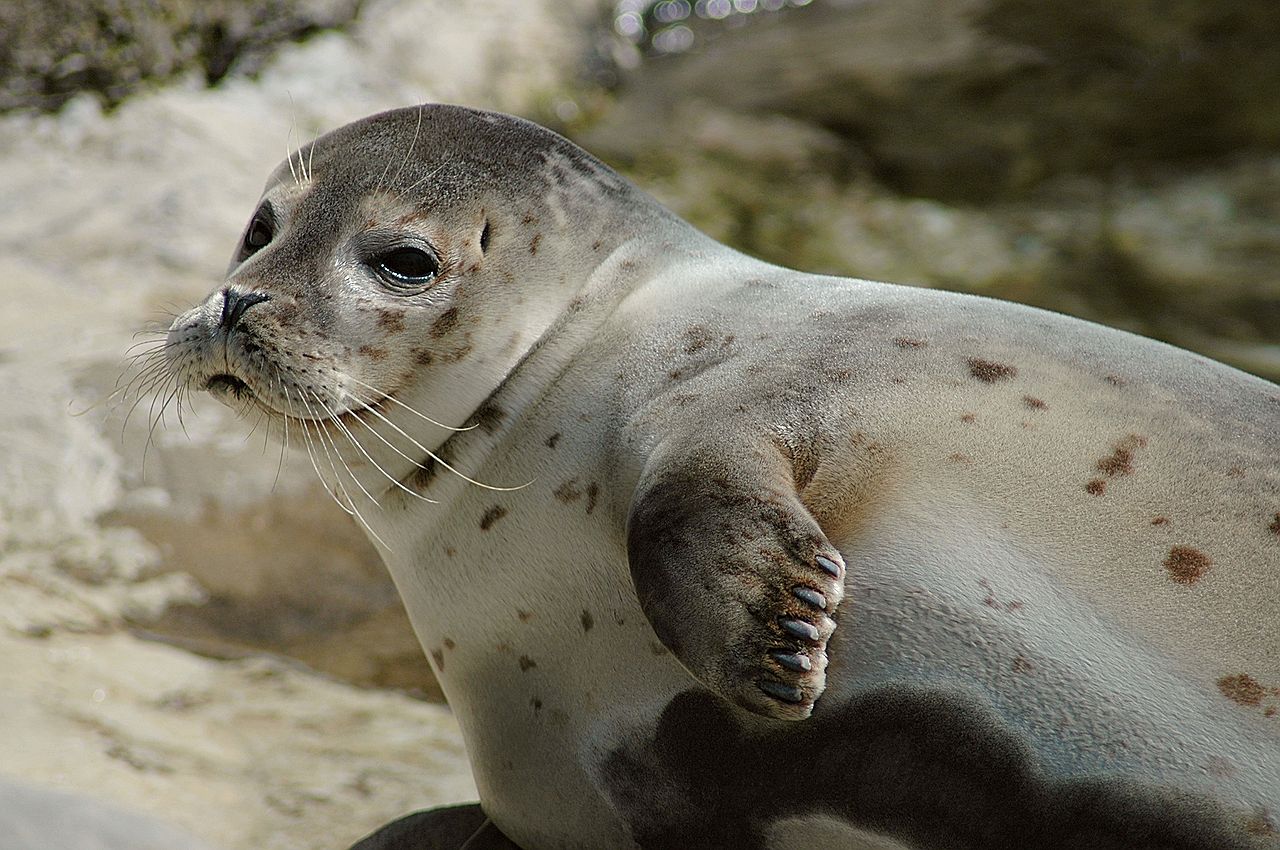







Physical characteristics
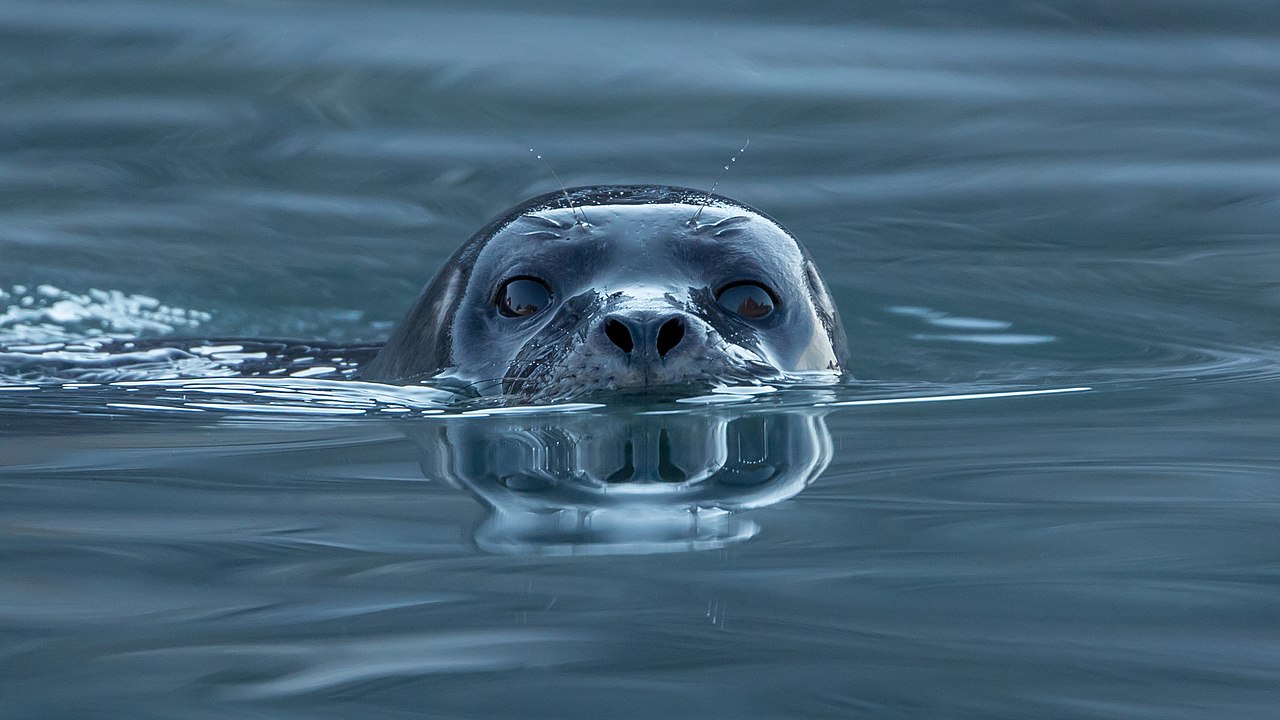
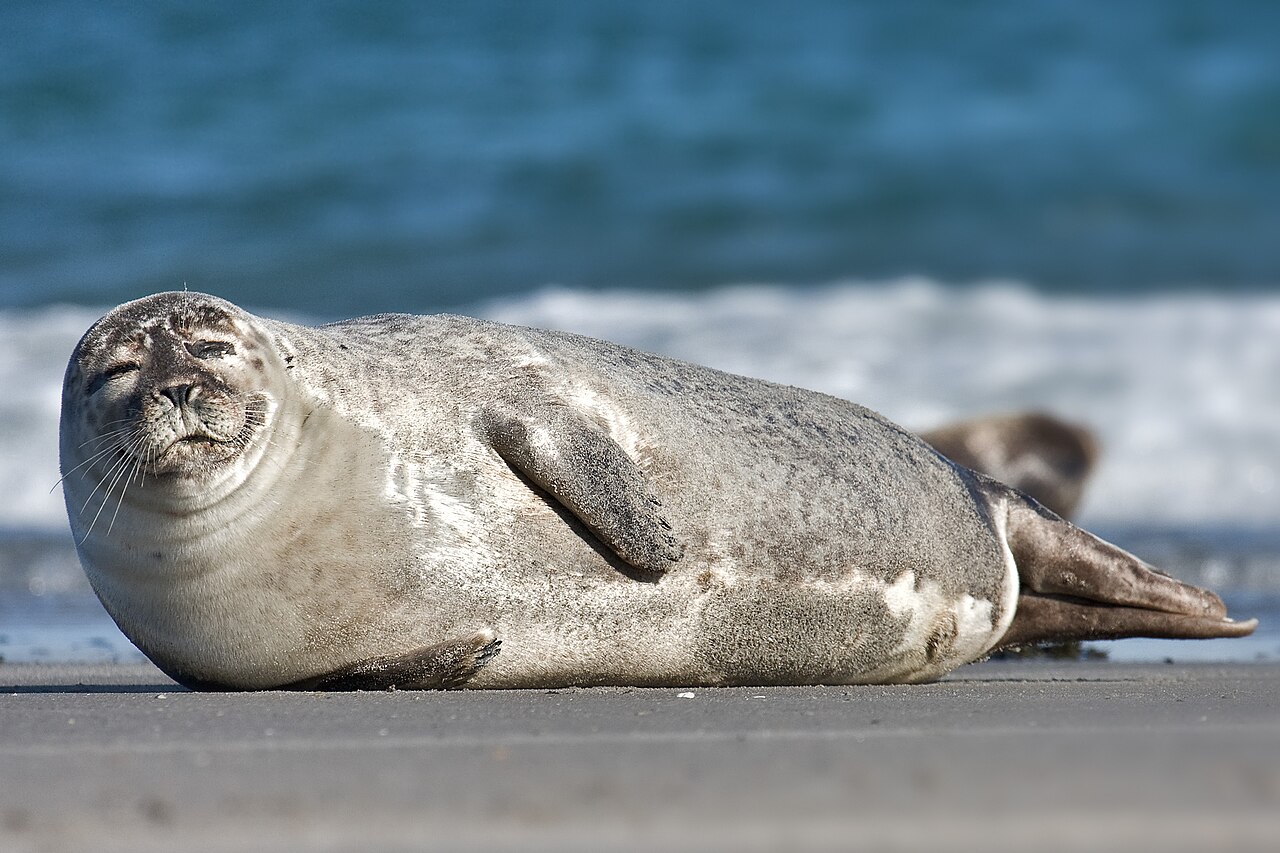
Harbor seals are medium-sized, robust animals with a rounded head, large dark eyes and prominent whiskers (vibrissae). Their fur ranges from silver-gray to brown and is often spotted or mottled, providing camouflage against rocky and sandy beaches. Adults show modest sexual dimorphism, with males generally somewhat heavier and shorter-lived than females. Typical adult sizes and weights vary by region, reflecting local prey availability.
Distribution and habitat
These seals inhabit coastal waters of the northern Atlantic and northern Pacific oceans, and occur in enclosed seas such as the Baltic and North Seas. They use a variety of nearshore habitats including rocky shores, mudflats, estuaries and sandy haul-out sites. Many populations exhibit strong site fidelity, returning to the same resting and breeding spots year after year. See regional information and maps for details: distribution overview, North Sea populations.
Behavior and diet
Harbor seals spend much of their time at sea foraging and will haul out on land or ice to rest, thermoregulate and raise pups. They are agile divers and feed on a broad mix of fish, cephalopods and crustaceans. Their sensitive whiskers help detect water movements and prey in murky conditions. Predators include larger marine mammals and sharks; humans can also influence their survival through fisheries interactions and habitat disturbance.
Reproduction and lifespan
Breeding typically occurs seasonally in local colonies. Females usually give birth to a single pup each year and provide maternal care until the young are weaned. Pups are precocial and can swim soon after birth. In many populations females outlive males; commonly reported lifespans show females living into their late twenties to thirties and males often having shorter average lifespans.
Conservation and human interactions
While many harbor seal populations are stable or recovering, local declines have occurred owing to hunting, entanglement in fishing gear, pollution and disturbance of haul-out sites. They are monitored widely and feature in coastal ecotourism and research programs that track health, contaminants and population trends. Conservation work often involves habitat protection, regulations on fisheries interactions and public education. For context on pinniped relationships and differences with other groups, see pinnipeds and eared seals.
Notable facts
- Harbor seals show strong fidelity to local haul-out and breeding sites, which makes some colonies vulnerable to disturbance.
- Their vibrissae are highly sensitive and important for detecting prey movements in low visibility.
- Because they are widely distributed and familiar to people, harbor seals are often important indicators of coastal ecosystem health.
Related articles
Author
AlegsaOnline.com Harbor seal (Phoca vitulina): appearance, range, behavior and conservation Leandro Alegsa
URL: https://en.alegsaonline.com/art/42380
Sources
- iucnredlist.org : Odobenus rosmarus