
Hearing dog: assistance animals for the deaf and hard of hearing
A hearing dog is a trained assistance animal that alerts deaf or hard-of-hearing people to important sounds such as alarms, doorbells, phones and baby cries and leads them to the source.
Overview
A hearing dog is a type of assistance dog trained to help people who are deaf or hard of hearing by recognizing and indicating important sounds. Unlike companion pets, hearing dogs perform specific tasks that reduce risk and increase independence for their handlers. They are part of the broader field of assistance animals and are selected and trained for temperament, reliability and sociability in public settings.
Image gallery
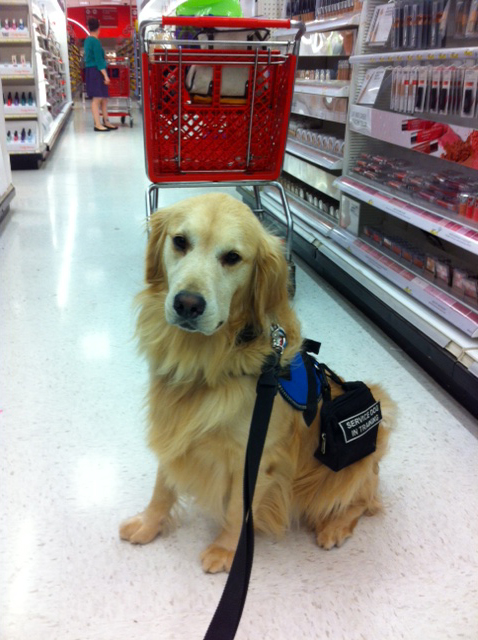
3 Images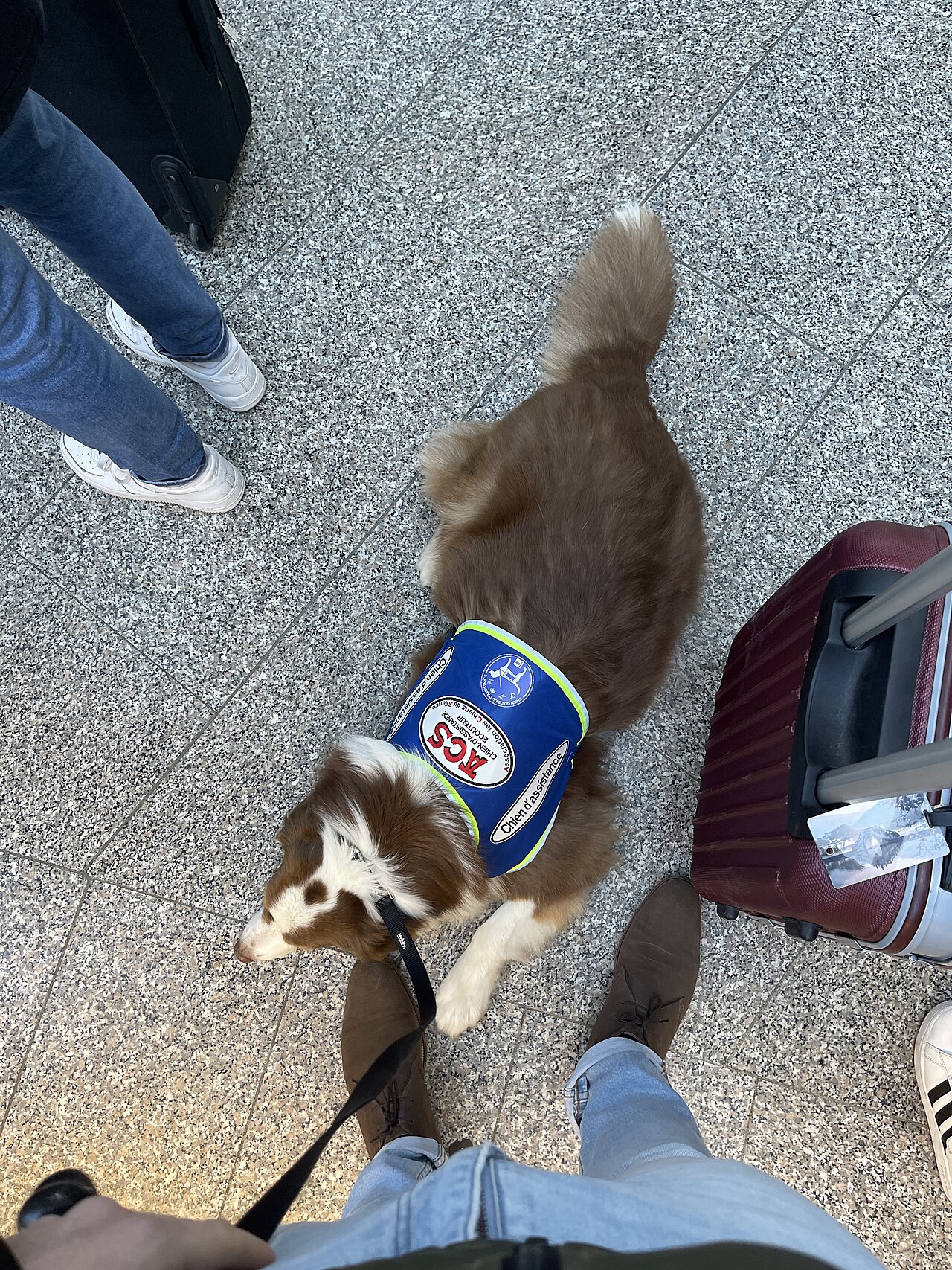

Training and typical behaviors
Training focuses on sound recognition, consistent alerting responses, obedience and public manners. A hearing dog learns to distinguish everyday sounds—such as doorbells, smoke alarms, telephones and timers—and to notify the owner with a trained behavior. Common alerting methods include touching the person with the nose, nudging, pawing, leading the handler to the sound source, or waking a sleeping person by gentle contact.
Common tasks
- Alerting to smoke and carbon monoxide alarms.
- Indicating door knocks, doorbells and voice calls.
- Notifying of telephone rings and baby cries.
- Leading the handler to the source of a sound when appropriate.
History and development
Formal training programs for hearing dogs developed alongside other assistance-dog services in the twentieth century. Organizations and charities began to specialize in raising and training dogs for hearing assistance, involving volunteer puppy raisers, professional trainers and careful matching of dogs and handlers. Over time techniques refined to emphasize sound discrimination, safe alerting and successful public access.
Practical considerations and rights
People who use hearing dogs typically receive training on how to work with their dog and to maintain its skills. Many countries recognize assistance dogs and grant them access to public places, though the exact rules vary by jurisdiction. Prospective handlers should work with established programs or trainers to ensure reliable behavior and proper socialization.
Distinctions and notable facts
Hearing dogs differ from guide dogs for the blind and from psychiatric service dogs because their primary task is to alert to sound. A variety of breeds can serve as hearing dogs; commonly used breeds include Labrador retrievers, Cocker Spaniels and Poodles, though mixed-breed dogs are also successful. For more information about training organizations and services, see a recognized hearing dog organization.
Related articles
Author
AlegsaOnline.com Hearing dog: assistance animals for the deaf and hard of hearing Leandro Alegsa
URL: https://en.alegsaonline.com/art/43069
Sources
- hearingdogs.asn.au : "We're all ears for the hearing impaired"