
Har HaMenuchot (Givat Shaul Cemetery), Jerusalem
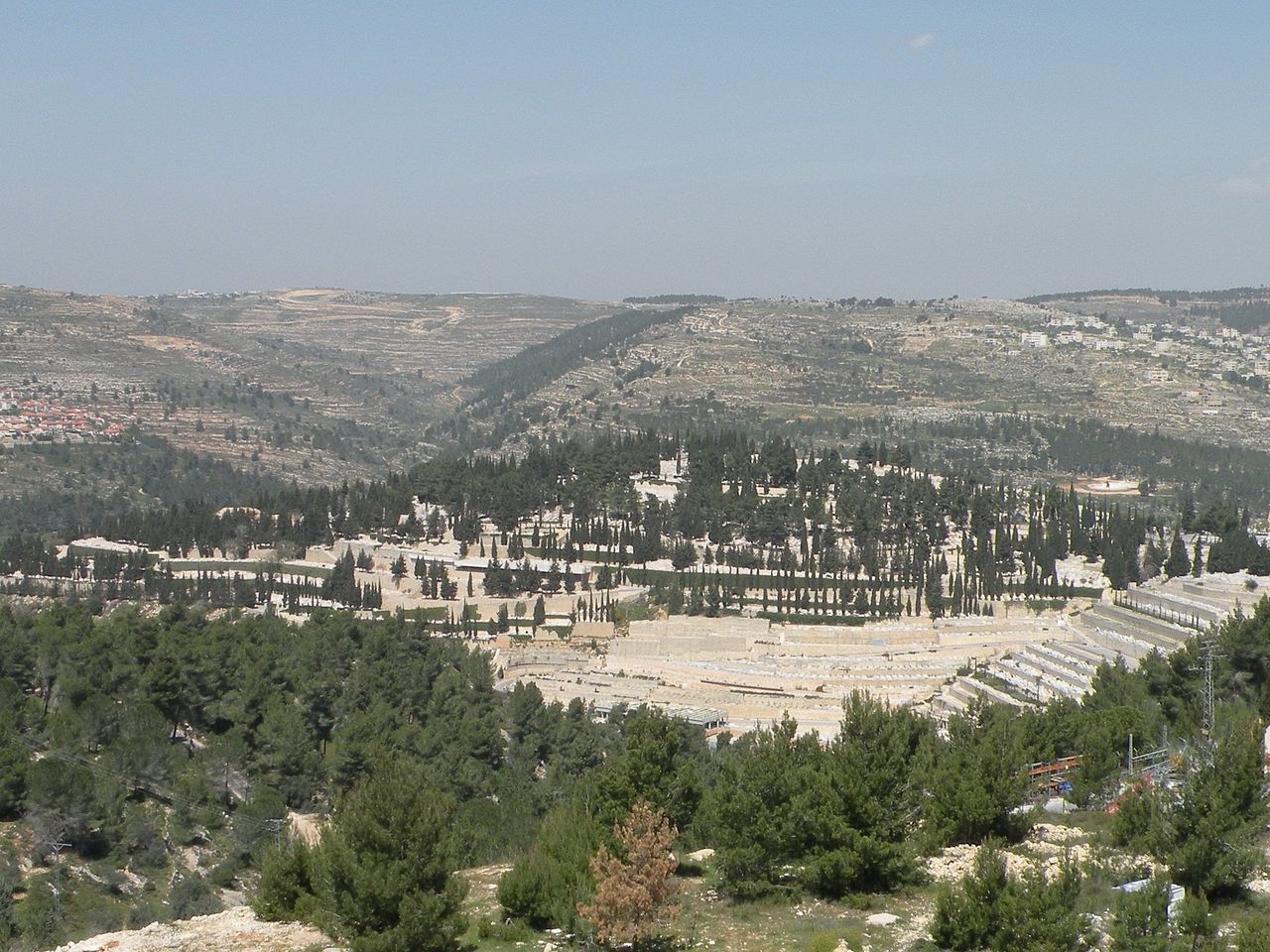
Har HaMenuchot (Givat Shaul) is a major modern Jewish cemetery in western Jerusalem, established in 1951 after access to the Mount of Olives was lost. It lies beside the Jerusalem Forest and contains many community sections.
Overview
Har HaMenuchot (Hebrew: הר המנוחות), often called the Givat Shaul Cemetery, is one of Jerusalem's principal modern Jewish burial grounds. It occupies a ridge on the city's western side, at roughly 750 meters above sea level, and is adjacent to the Jerusalem Forest. The site was developed as a new municipal cemetery in the early 1950s and serves a large and diverse urban population.
Image gallery
8 Images



History and origin
Following the 1948 Arab–Israeli war much of east Jerusalem, including the historic Mount of Olives cemetery, became inaccessible to most Jewish residents. In response, municipal and communal leaders opened Har HaMenuchot in 1951 to provide burial capacity for Jerusalem. Although access to the Mount of Olives was later restored after 1967, Har HaMenuchot continued to grow and remains a primary cemetery for the city. The name means "Mount of Rest" in Hebrew and reflects its intended function as a long-term resting place.
Layout, sections, and characteristics
The cemetery is arranged on terraced slopes and divided into numerous sections administered by different neighborhoods, religious communities, yeshivot, and burial societies. Stone grave markers and small family plots are typical; some areas contain simple rows of graves, while others include larger monuments and rabbinic ohelim (small structures over notable graves). Pathways and access roads connect terraces, and the overall plan reflects both the topography of the ridge and the practical needs of burial ceremonies.
Significance and practices
Burial in Jerusalem carries strong religious and cultural significance in Jewish tradition, and Har HaMenuchot became an important site for funerals and memorial visits in the second half of the 20th century. It is the final resting place for many community leaders, rabbis, and public figures. Communal practices such as tahara (ritual preparation) and swift interment are observed by the various burial societies that operate within the cemetery.
Visiting, management, and contemporary notes
Har HaMenuchot is managed by municipal and communal authorities and continues to operate as an active cemetery. Visitors should respect local customs and rules regarding photography and access to graves. The cemetery is sometimes described as the city's second-largest burial ground; for local orientation see municipal sources and maps that identify its position on the western edge of Jerusalem and its relation to other sites. Historical overviews note the cemetery's establishment during the period after 1948 when alternate burial solutions were urgently needed; contemporary guides and community pages provide practical information on sections and procedures.
Practical points and further reading
- Alternate names: Har HaMenuchot, Givat Shaul Cemetery.
- Elevation and location: western ridge of Jerusalem, about 750 m above sea level.
- Organization: multiple community and organizational sections; active municipal management.
- For maps and official details consult local municipal pages or community burial organizations: see cemetery listings and community resources.
The cemetery remains an important element of Jerusalem's modern urban fabric, reflecting both the city's changing political history in the mid-20th century and ongoing religious and social practices related to burial and remembrance.
Related articles
Author
AlegsaOnline.com Har HaMenuchot (Givat Shaul Cemetery), Jerusalem Leandro Alegsa
URL: https://en.alegsaonline.com/art/42362