
Hebron Old Jewish Cemetery
An ancient Jewish burial ground in Hebron near the Cave of the Patriarchs, with roots in the medieval period; significant for its historic graves, inscriptions and its role in the city's Jewish heritage.
Overview
The Hebron Old Jewish Cemetery is an historic burial site located on the slopes of Tel Rumeida, close to the traditional compound known as the Cave of the Patriarchs. The cemetery is associated with a long Jewish presence in Hebron and is traditionally said to have been in use since the late 13th century, with burials and memorials dating back many centuries.
Image gallery
10 Images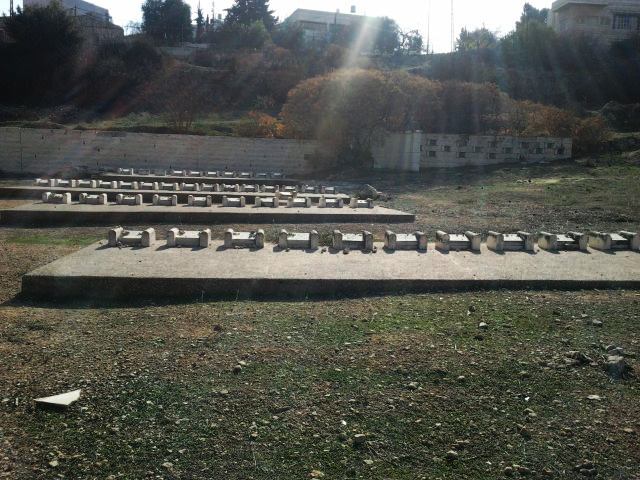





Characteristics
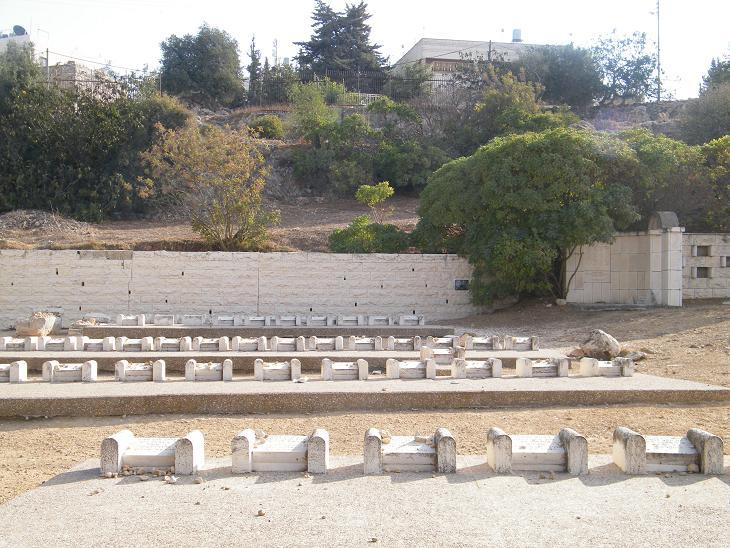
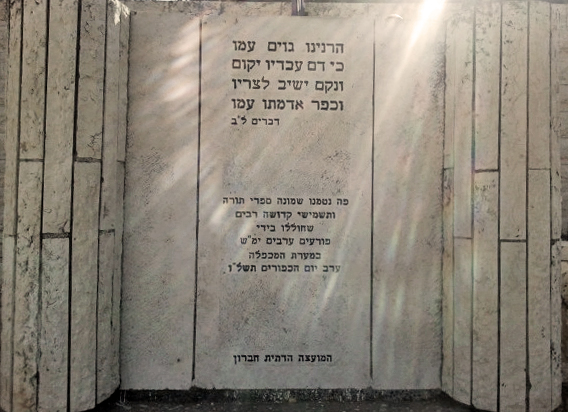
The site consists of terraced plots and numerous stone grave markers (matzevot). Many gravestones carry Hebrew inscriptions; some show additional languages or worn epitaphs reflecting the passage of time. The layout follows the hillside contours, and the most ancient markers are clustered nearest to the older core of the city.
Historic development
The cemetery developed alongside Hebron's Jewish community. It survived changing rulers and periods of neglect. During episodes of communal violence and political transition in the 20th century the site suffered damage and restricted access. After changes in control in the region, conservation and documentation efforts began to record and repair remaining stones.
Importance and examples
The cemetery is valued for genealogy, religious memory and the study of regional epigraphy and burial customs. Visitors and scholars examine inscriptions to trace family histories and community connections. Its proximity to the Cave of the Patriarchs links it to one of Hebron's central religious landmarks, and maps and guides commonly identify it in relation to Hebron's historic quarter.
Conservation and notable facts
- Conservation work has aimed to stabilize stones and record inscriptions before further deterioration.
- The cemetery is part of wider efforts to document Hebron's multi-layered heritage and the history of its Jewish community.
- Access and preservation remain subject to local administrative and security arrangements.
Because the site's history spans many eras, sources vary on precise dates and individual burials; researchers therefore describe its origins cautiously and rely on archaeological, epigraphic and archival evidence to build a fuller picture.
Related articles
Author
AlegsaOnline.com Hebron Old Jewish Cemetery Leandro Alegsa
URL: https://en.alegsaonline.com/art/43168