
Headstone (Gravestone): Purpose, Types, History and Care
A headstone (gravestone or tombstone) marks a burial site. This article explains materials, inscriptions, cultural history, common forms, conservation practices, and legal or social considerations.
A headstone—also called a gravestone or tombstone—is a marker placed at a burial site to identify the person interred there. Traditionally carved from durable material, a headstone records a name, dates and often an epitaph or symbol. Some graves remain unmarked, either by choice or circumstance, while others feature elaborate monuments intended to commemorate an individual or family.
Image gallery
10 Images
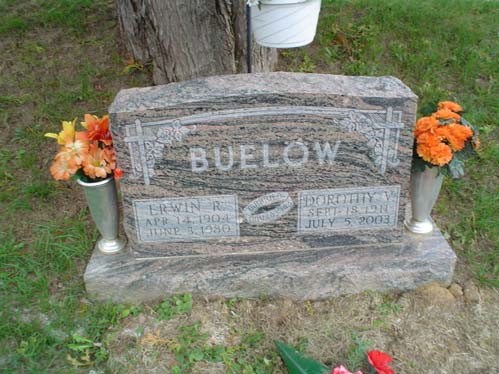


Materials and common forms
Headstones are most often made of stone because of its longevity; popular choices have historically included granite, marble and limestone. Wood, metal, ceramic and concrete have also been used, especially for temporary markers or where cost or local custom dictates. Shapes range from simple upright tablets and flat lawn markers to crosses, obelisks and sculpted figures.
- Tablet: Rectangular upright stone, the most traditional form.
- Ledger or flat marker: Set flush with the ground.
- Obelisk and column: Vertical monuments used for prominence.
- Crosses and statuary: Religious or figurative designs.
Inscriptions, symbols and meaning
Inscriptions may include the deceased's name, birth and death dates, and a short epitaph—a phrase or verse honoring the person. Many headstones bear religious or cultural symbols such as crosses, stars, hands, wreaths or icons that communicate beliefs, occupation, or membership in organizations. In some traditions particular motifs indicate age at death (for children) or military service.
History and cultural variation
Gravemarking dates back millennia. Different cultures have varied practices: from simple fieldstones marking graves to elaborate mausoleums. Styles and materials reflect local resources, religious norms and social status. Modern cemeteries often standardize marker types for maintenance, while older churchyards and historic cemeteries display a wide variety of carving styles and epitaphs.
Uses, care and legal considerations
Beyond identification, headstones serve as focal points for remembrance, genealogy and cultural heritage. Conservation of older stones requires expertise: cleaning, resetting tilted stones and slowing biological growth must be done carefully to avoid damage. Many cemeteries have rules about size, placement and materials; families should consult cemetery managers before installing a marker. For practical guidance on materials see stone selection, for information about burial placement see grave regulations, and for wording and epitaph ideas see epitaph examples.
Notable distinctions include marked versus unmarked graves, cultural preferences for inscriptions, and the rise of alternatives such as memorial benches or digital remembrance. Whether modest or monumental, a headstone is a lasting reminder connecting the living with those who have passed.
Related articles
Author
AlegsaOnline.com Headstone (Gravestone): Purpose, Types, History and Care Leandro Alegsa
URL: https://en.alegsaonline.com/art/43053