
Harry S. Truman Presidential Library and Museum
Preserves the papers, artifacts, and exhibits documenting President Harry S. Truman; located in Independence, Missouri. Serves researchers, educators, and visitors with collections, displays, and programs.
Overview
The Harry S. Truman Presidential Library and Museum preserves and interprets the public record of the 33rd President of the United States, Harry S. Truman. Established in 1957, the institution is part of the national Presidential Library system administered by the federal archival authority. It functions both as a museum for public education and as an archival repository for researchers studying mid-20th century American politics, diplomacy, and society.
Image gallery
4 Images

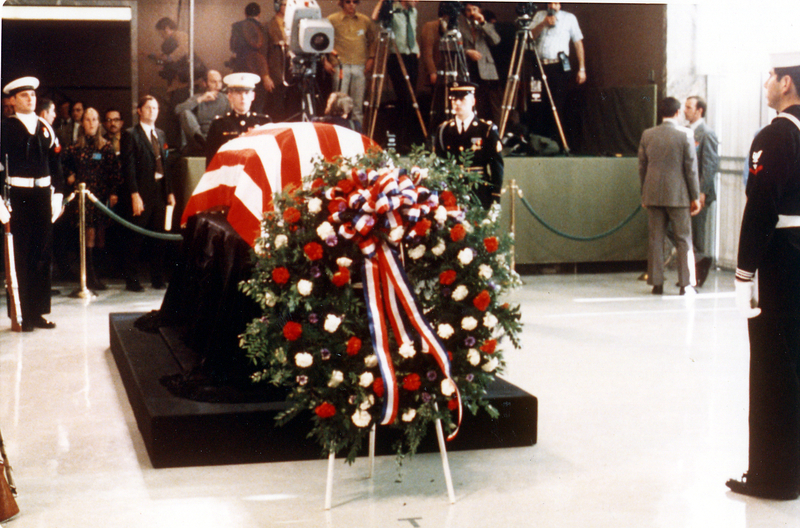

Collections and exhibits
The library's holdings include official papers, correspondence, photographs, audiovisual material, and personal artifacts that document Truman's presidency and earlier career. Exhibits present themes such as the conclusion of World War II, the origins of the Cold War, postwar reconstruction and foreign policy initiatives, domestic policy developments, and efforts toward civil rights and military desegregation. Interpretive displays combine original documents, recreated spaces, and multimedia to help visitors understand complex decisions and historical context.
History and location
Opened in 1957, the library is located on a hill in Independence, Missouri, near sites associated with Truman's personal life and career. The setting provides a visible civic landmark overlooking U.S. Route 24 and the surrounding city. The site was chosen to maintain a close connection between the presidential records and the community where Truman lived.
Research, education, and public programs
The institution supports scholarly research with an on-site reading room, cataloged archival collections, and reference services. Educational programs for students and adults include guided tours, lectures, curricular materials, and rotating exhibits that highlight archival sources. Digital resources and online finding aids extend access beyond the building and assist remote researchers and educators; see institutional guides and online services at this resource and practical visitor information at additional guides.
Features and significance
- Serves dual roles as public museum and scholarly archive.
- Interprets pivotal mid-20th century events and policies for contemporary audiences.
- Located near Truman-related historic sites, forming a broader interpretive landscape.
- Provides educational programs, research access, and rotating exhibitions linking primary sources to public history.
Visitors planning a research visit or a tour can consult the library's visitor services and collections policies; administrative and regional information is available through local resources and agency pages referenced by local and regional guides.
Related articles
Author
AlegsaOnline.com Harry S. Truman Presidential Library and Museum Leandro Alegsa
URL: https://en.alegsaonline.com/art/42644