
Haplorhini (Dry-nosed Primates): Overview, Classification, and Significance
Haplorhini are the 'dry-nosed' primates including tarsiers and all simians (New World monkeys, Old World monkeys and apes, including humans). This article covers traits, classification, evolution, ecology and conservation.
Haplorhini is a major primate clade commonly called the "dry-nosed" primates. The name derives from Greek meaning "simple" or "single" nose and contrasts with the wet-nosed strepsirrhine primates. Living haplorhines comprise two principal lineages: the small prosimian group of tarsiers and the larger radiating group known as the simians. Simians include both the New World monkeys and the Old World monkeys and apes, the latter group embracing humans.
Image gallery
10 Images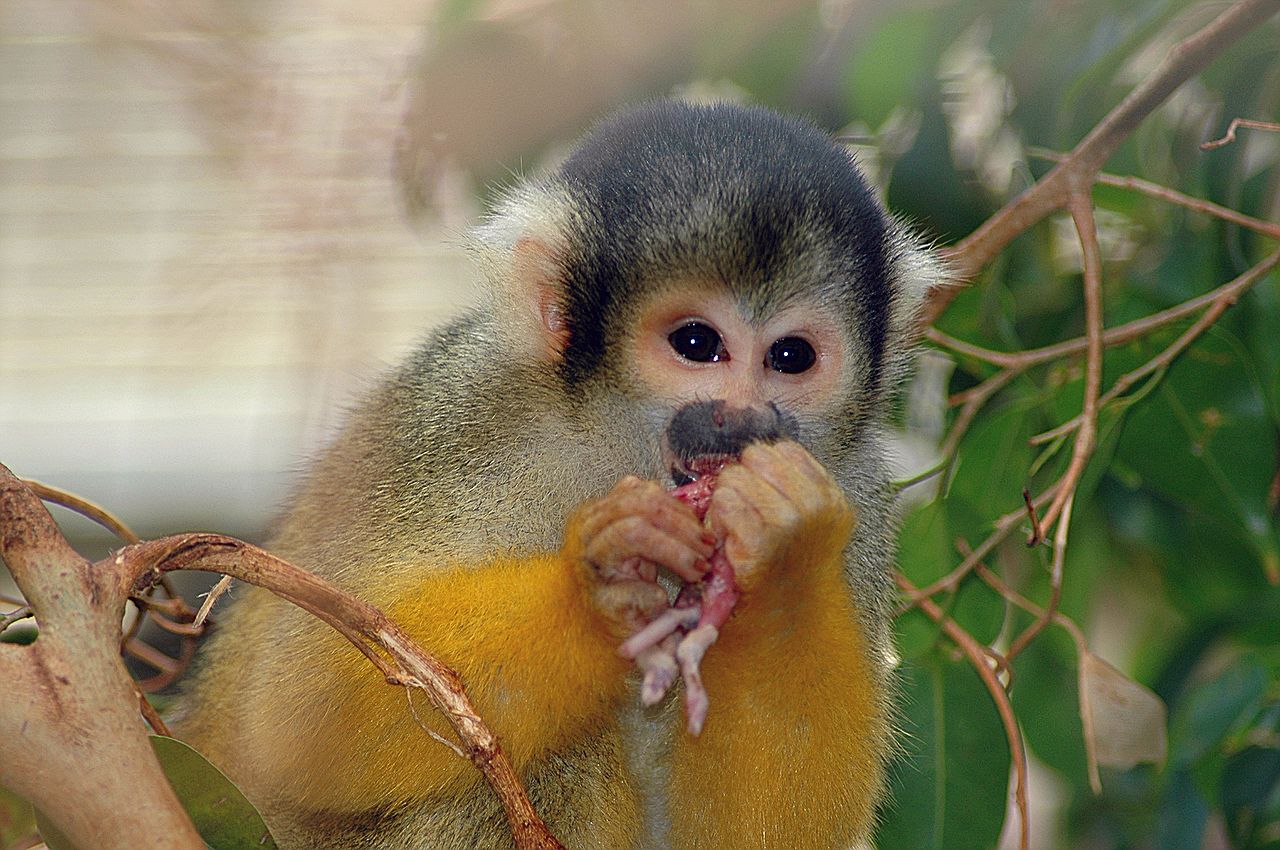





Key characteristics
Haplorhines share a suite of anatomical and physiological features that distinguish them from strepsirrhines. Notable traits include a reduced or absent rhinarium (the wet nose), a generally larger brain relative to body size, forward-facing eyes with greater reliance on vision, and a different pattern of cranial and dental anatomy. Many haplorhines also show more complex social behavior and extended parental care compared with most strepsirrhines.
- Sense and skull: dry nose, increased orbital convergence, postorbital closure in many simians.
- Brain and development: relatively larger brains and slower life histories.
- Hands and teeth: variable opposability of thumbs and dental specializations reflecting diverse diets.
Taxonomic groups
The haplorhine clade is divided into tarsiers on one branch and the simians (Anthropoidea) on the other. Simians are conventionally split into two geographic and anatomical groups: the New World monkeys or platyrrhines, and the Old World monkeys and apes or catarrhines. New World monkeys (platyrrhines) are represented by the diverse taxa of Central and South America and are linked here as New World monkeys. The Old World catarrhines include both the Old World monkeys and the apes; the apes are represented by great and lesser apes and include humans (apes, humans).
Evolution and fossil record
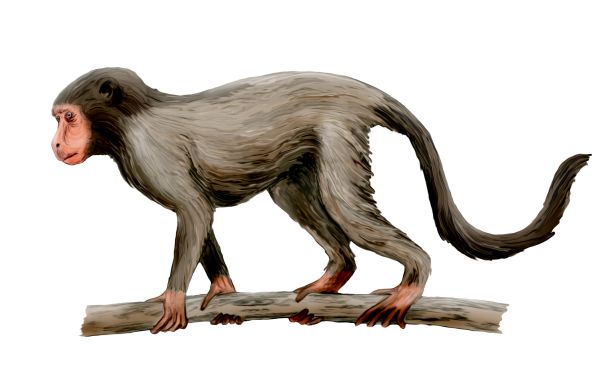
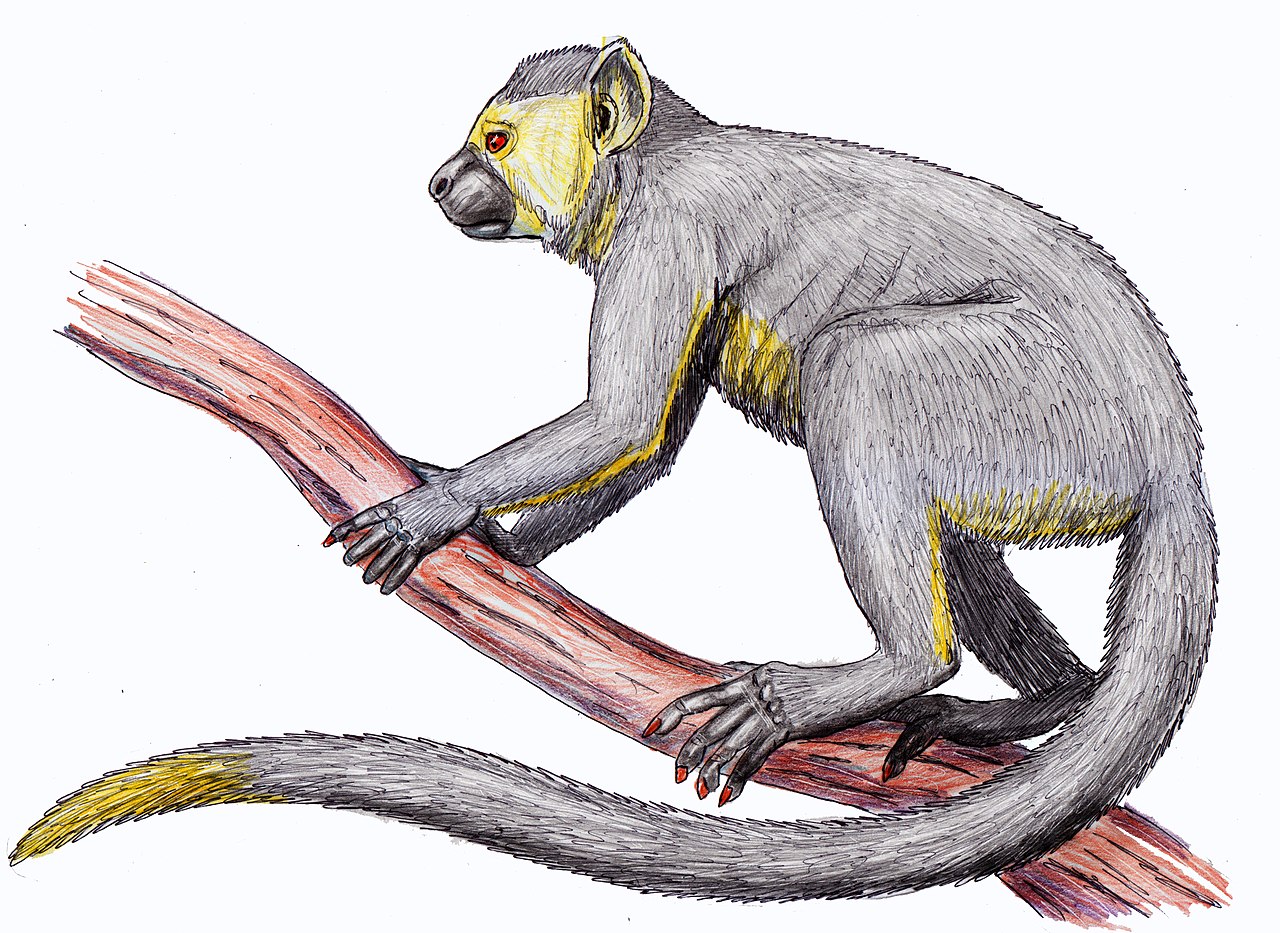
Genetic and fossil evidence indicate that haplorhines diverged from the strepsirrhine line early in primate evolution. The earliest clear haplorhine-like fossils appear in deposits that document the early adaptive radiation of primates, followed by diversification that produced the distinctive tarsier lineage and the radiation of anthropoids. Although precise timings are debated, the group’s history is traced through many fossil taxa and molecular studies that illuminate relationships among living lineages.
Distribution, ecology and behavior
Haplorhine distribution spans tropical and subtropical regions worldwide. Tarsiers are restricted to parts of Southeast Asia and are mostly nocturnal insectivores with strikingly large eyes and leaping locomotion. Platyrrhines occupy forests of the Americas and show a wide range of diets and locomotor styles, including arboreal and prehensile-tailed forms. Catarrhines inhabit Africa and Asia (and humans worldwide) and include both arboreal and terrestrial species. Social systems range from solitary foragers to large, complex groups, and diets include insects, fruit, leaves, and in some cases meat.
Importance and conservation
Haplorhines are ecologically significant as seed dispersers, predators of insects, and components of forest food webs. They are also central to studies of behavior, cognition and human evolution because simian neurobiology and social complexity provide comparative models. Many haplorhine species face threats from habitat destruction, hunting, and the pet trade; conservation status varies widely and requires habitat protection, research, and legal measures to reduce decline.
Notable distinction: tarsiers are haplorhines but retain some primitive traits and a nocturnal lifestyle, making them an important group for understanding early haplorhine evolution and diversity.
Related articles
Author
AlegsaOnline.com Haplorhini (Dry-nosed Primates): Overview, Classification, and Significance Leandro Alegsa
URL: https://en.alegsaonline.com/art/42330