
Hematophagy: the biology and impact of blood-feeding animals
Hematophagy is the practice of feeding on the blood of other animals. This article describes adaptations, examples, evolution, ecological and medical significance, and distinctions among blood-feeding species.
Hematophagy refers to the habit of consuming the blood of other animals. Blood is a nutrient-dense fluid rich in proteins and other compounds that make it an attractive food source for some species; see blood and the role of proteins in nutrition. Hematophagy occurs across many groups, from arthropods to vertebrates, and ranges from occasional opportunistic feeding to strict dependence.
Image gallery
4 Images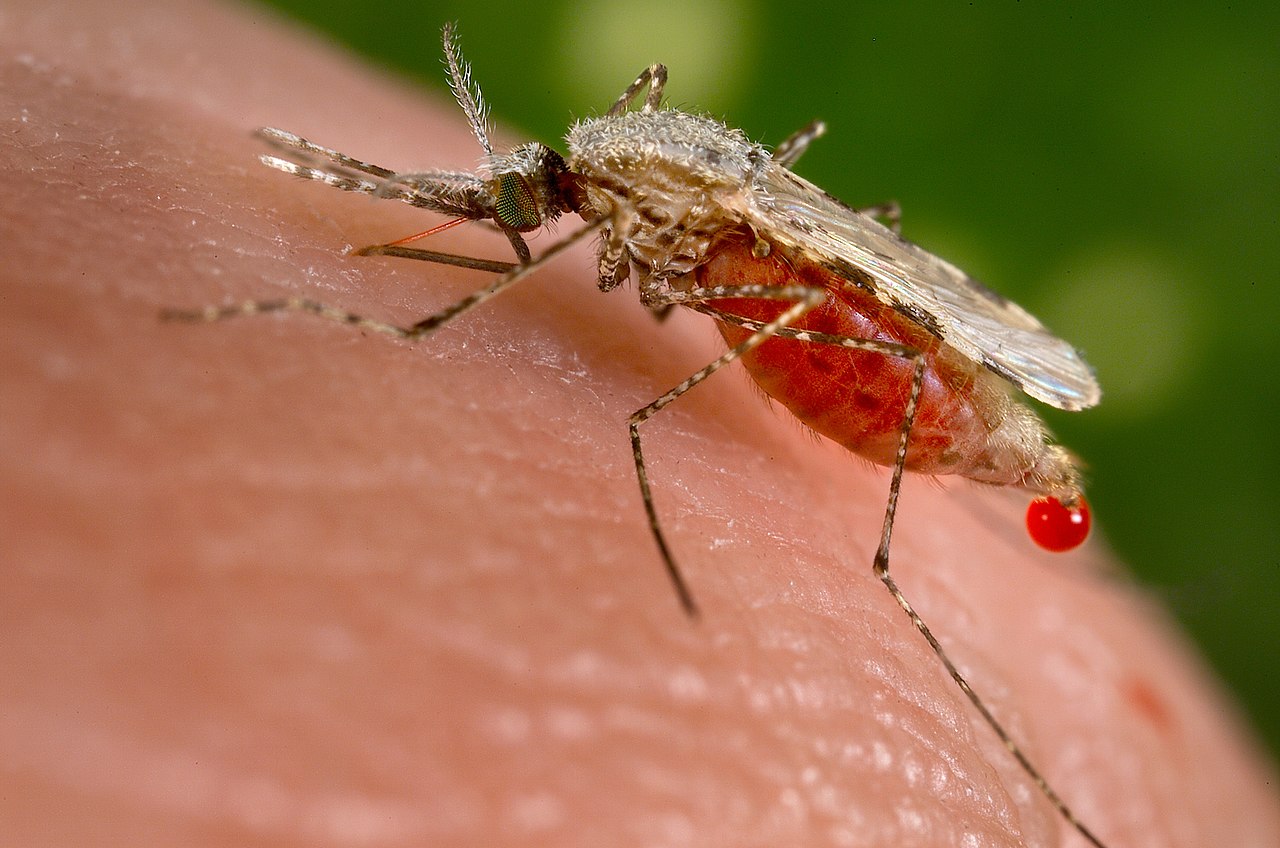


Characteristics and adaptations
Blood-feeding animals show convergent morphological and physiological traits. Common adaptations include specialized mouthparts (proboscises, stylets, razor-like teeth), saliva containing anticoagulants and anesthetics, mechanisms to concentrate and store nutrients, and gut symbionts that supply missing vitamins. Many species also have rapid fluid-processing systems to handle large volumes of liquid.
Feeding strategies and behavior
Strategies vary widely: some are temporary feeders that take a single blood meal and leave, while others attach for extended periods. Host-finding often relies on heat, carbon dioxide, smell and visual cues. Temporal patterns—daytime versus nocturnal feeding—depend on predator avoidance and host activity. Some species display host specificity, others feed opportunistically.
Examples
- Mosquitoes are small insect vectors that take frequent blood meals and can transmit pathogens.
- Vampire bats are mammals that feed exclusively on blood and have highly specialized saliva and social behaviors around sharing food.
- Leeches are annelids historically used in medicine for their blood-removing and anticoagulant properties; some species are predators, others are true blood feeders.
Other hematophagous animals include ticks, fleas, bedbugs and certain fish and birds. These taxa show a range of relationships with hosts, from parasitism to more commensal interactions.
Evolution, ecological and medical importance
Hematophagy has evolved multiple times independently, driven by the availability of a protein-rich resource and ecological opportunities. Blood feeders play important ecological roles but also pose public-health challenges because many act as vectors of disease. Conversely, substances derived from blood-feeding species—such as anticoagulant compounds—have informed medical research and therapeutic uses, and leeches retain niche applications in modern medicine.
Distinctions and notable facts: scientists differentiate obligate hematophages (species that require blood) from facultative feeders. Feeding carries risks for both parasite and host; hosts evolve defenses like grooming, immune responses and behaviors to avoid bites, while hematophages evolve countermeasures. Understanding these interactions is important for ecology, disease control and medical biotechnology.
Related articles
Author
AlegsaOnline.com Hematophagy: the biology and impact of blood-feeding animals Leandro Alegsa
URL: https://en.alegsaonline.com/art/43445