
Hemichordata: wormlike deuterostomes and their place in animal evolution
Hemichordata are marine deuterostome animals including acorn worms and pterobranchs; they have simple body regions, fossil graptolites, and are important for understanding chordate origins.
The Hemichordata are a small phylum of mostly marine invertebrates that occupy a key position in the evolutionary tree of deuterostomes. Modern representatives fall into two main groups: the solitary, burrowing enteropneusts (acorn worms) and the often colonial pterobranchs. Hemichordates are notable for a tripartite body plan and features that shed light on early deuterostome and chordate evolution. Researchers frequently refer to specimens collected from shallow seas and deeper sediments to study their anatomy and development; see marine surveys for distribution data.
Image gallery
10 Images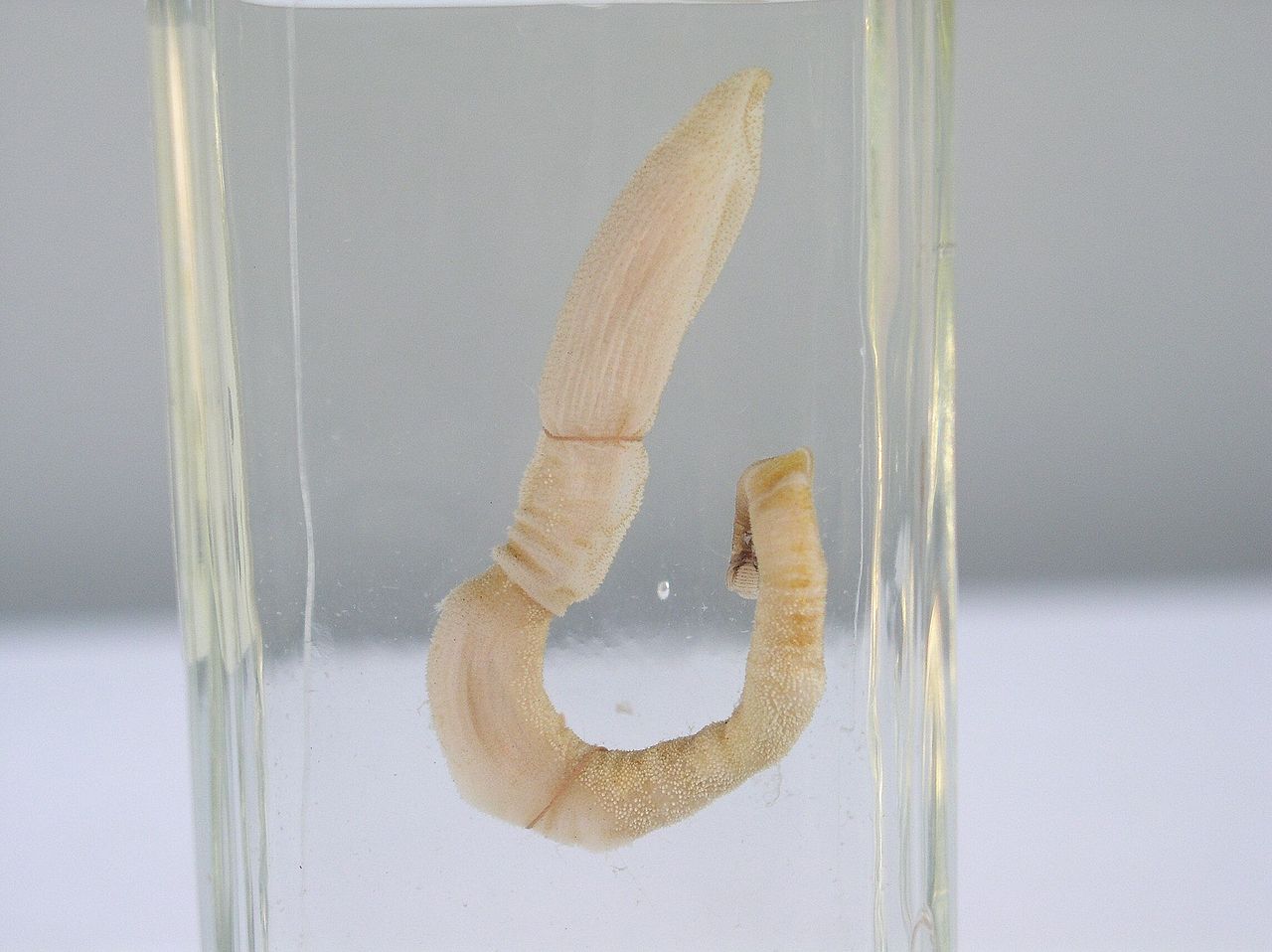




Distinctive anatomy and biology
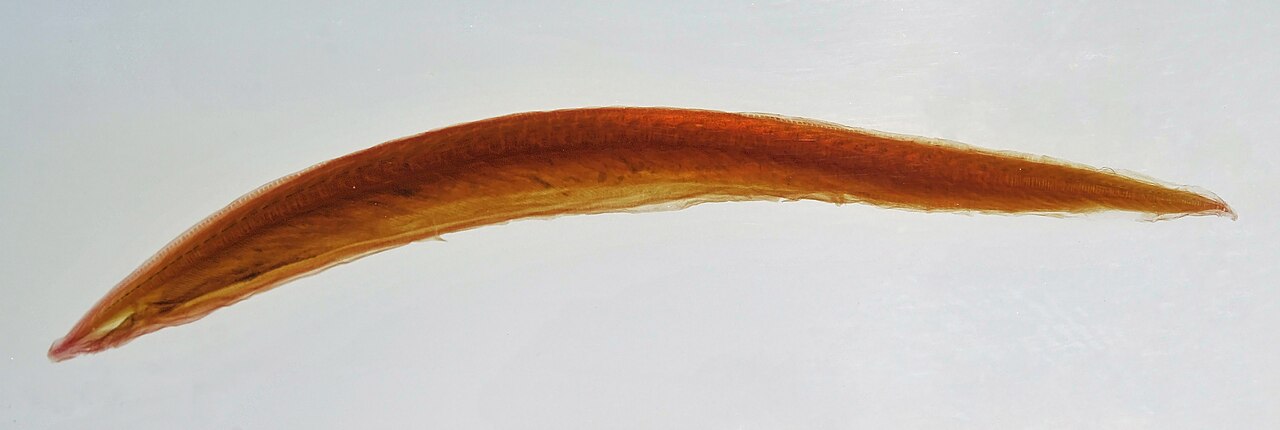
Hemichordates typically have three main body regions: a flexible proboscis used for feeding and burrow construction, a collar that may bear a mouth and sensory structures, and a trunk containing the gut and gonads. Many display pharyngeal slits (gill openings) used in suspension feeding or respiration, a feature that helps link them to other deuterostomes. Unlike true chordates they lack a dorsal hollow nerve cord, but developmental and molecular studies show shared characters with other animals in their group. Some species have ciliated bands, and pterobranchs build delicate tubes and can form extensive colonies.
Fossil record and classification
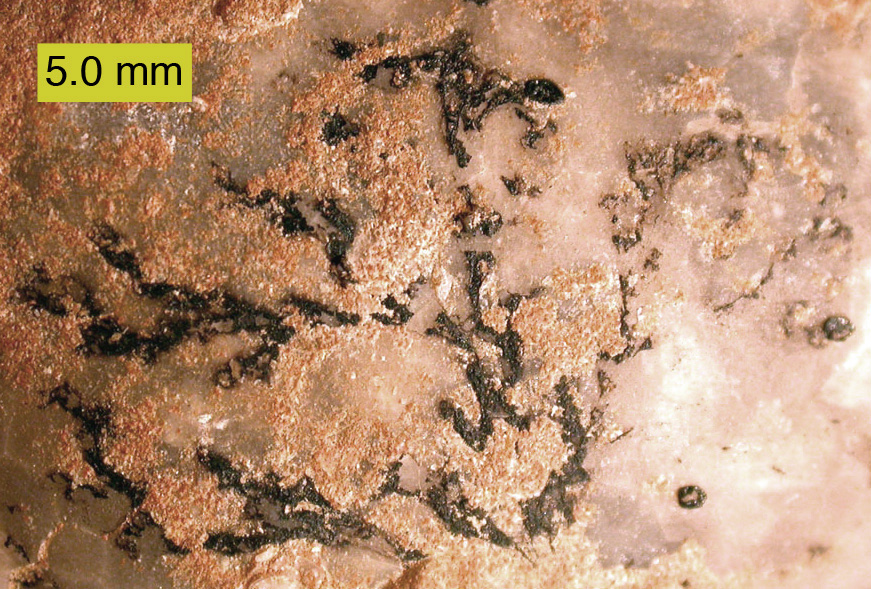
Fossil hemichordates extend back to the Cambrian period and include the important extinct group known as graptolites. These sessile or planktonic colonial forms are common in Paleozoic rocks and help geologists correlate strata; many graptolite lineages declined or disappeared by the later Carboniferous. Hemichordates are usually treated as the sister group to the echinoderms on the deuterostome branch, a relationship supported by anatomy and molecular data. For more on ancient occurrences see studies of Cambrian faunas and descriptions of hemichordate fossils.
Ecology, development and scientific importance
Enteropneusts are often found in mud or sand where they feed by depositing or filtering organic particles, while pterobranchs attach to hard surfaces and capture food with tentacles. Because hemichordates share developmental genes with vertebrates and other chordates, they are studied intensively to understand the origins of structures such as gill slits and body regionalization. Their simple body organization and diverse life histories make them useful in comparative embryology, molecular phylogenetics, and paleobiology.
Summary and notable facts
- Two living classes: Enteropneusta (acorn worms) and Pterobranchia (pterobranchs).
- Key fossil group: graptolites, widespread in the Paleozoic record.
- Important for studying deuterostome evolution and the origins of chordates.
Hemichordates remain a relatively small but scientifically significant phylum: their combination of simple morphology, fossil record, and developmental links with other deuterostomes makes them central to discussions about how complex body plans evolved in early animal history.
Questions and answers
Q: What is the Hemichordata phylum?
A: The Hemichordata is a phylum of worm-shaped marine deuterostome animals.
Q: What is the relationship between the Hemichordata and echinoderms?
A: The Hemichordata is generally considered the sister group of the echinoderms.
Q: When did the Hemichordata first appear?
A: The Hemichordata date back to the Lower or Middle Cambrian.
Q: What is the significance of graptolites in relation to the Hemichordata?
A: Graptolites are an important class of fossils within the Hemichordata, most of which became extinct in the Carboniferous.
Q: How many living classes are there within the Hemichordata phylum?
A: There are two living classes within the Hemichordata phylum: the enteropneusts and the pterobranchs.
Q: Why are the Hemichordata of great interest to those studying chordate development?
A: Since the Hemichordata are the closest living relatives to the chordates, they are of great interest to those studying the origins of chordate development.
Q: What are the two living classes of Hemichordata?
A: The two living classes of Hemichordata are the enteropneusts and the pterobranchs.
Related articles
Author
AlegsaOnline.com Hemichordata: wormlike deuterostomes and their place in animal evolution Leandro Alegsa
URL: https://en.alegsaonline.com/art/43454
Sources
- ncbi.nlm.nih.gov : ncbi.nlm.nih.gov/pmc/articles/PMC18258/
- ncbi.nlm.nih.gov : ncbi.nlm.nih.gov/pubmed/18429670?dopt=Abstract
- bbc.co.uk : bbc.co.uk/news/science-environment-36724562
- bmcbiol.biomedcentral.com : bmcbiol.biomedcentral.com/articles/10.1186/s12915-016-0271-4