
Hemoglobin: Structure, Function, and Clinical Significance
Hemoglobin is the iron‑containing protein in red blood cells that reversibly binds oxygen and participates in gas transport. This article covers its structure, role, variants, and medical relevance.
Overview
Hemoglobin (also written haemoglobin) is the principal oxygen‑binding protein in the circulating blood of vertebrates and in some invertebrates. It resides within red blood cells and gives them their characteristic colour. Each hemoglobin molecule reversibly binds oxygen in the lungs and releases it in tissues with lower oxygen levels, enabling effective distribution of respiratory gas throughout the body. Hemoglobin also contributes to transport and buffering of other gases and helps regulate blood pH.
Image gallery
7 Images




Structure and chemical components
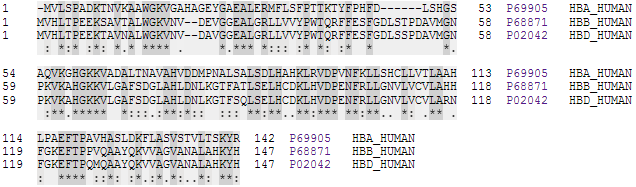
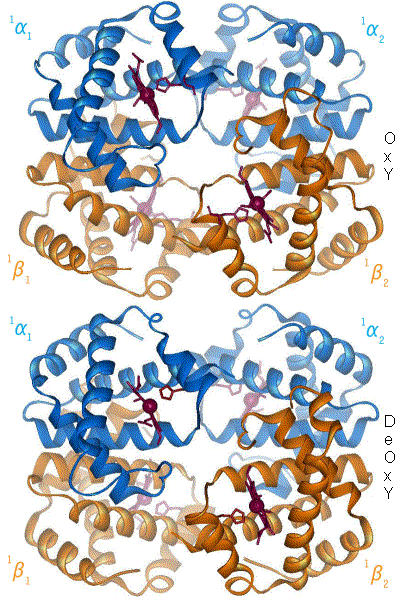
At the molecular level, hemoglobin is a globular protein composed of multiple polypeptide chains, each noncovalently associated with a heme group. The heme portion contains an iron atom that can bind one oxygen molecule; the protein component determines the heme's environment and influences affinity for ligands. The quaternary arrangement of chains allows cooperative binding: when one heme binds oxygen the remaining sites become more likely to accept oxygen, a property important for efficient loading in the lungs and unloading in tissues.
Physiological roles
Hemoglobin's primary role is to carry oxygen from respiratory organs to peripheral tissues. Only a small fraction of blood oxygen is dissolved in plasma; most is transported bound to hemoglobin. It also carries a portion of the body's carbon dioxide as carbamino compounds and contributes to carbon dioxide transport indirectly by influencing blood pH and the formation of bicarbonate. Variations in pH, carbon dioxide concentration and other factors alter hemoglobin's oxygen affinity (the Bohr effect), enabling adaptive release where metabolism is high.
Variants and evolution
Different forms of hemoglobin occur in development and across species. For example, fetal hemoglobin has a higher affinity for oxygen than adult forms, facilitating transfer from mother to fetus. Genetic variants and mutations produce a spectrum of hemoglobin types: some are benign, while others change stability, oxygen affinity or solubility. Other animal groups use distinct respiratory pigments such as hemocyanin or hemerythrin, which employ copper or iron in different molecular contexts.
Clinical importance
- Laboratory measurement: Hemoglobin concentration is a routine component of medical blood testing and helps evaluate oxygen‑carrying capacity.
- Disorders: Alterations in hemoglobin structure or production underlie common conditions. Reduced amounts cause various forms of anemia; structural mutations can produce sickle cell disease, while imbalanced chain synthesis causes thalassemias. Oxidation of heme iron yields methemoglobin, which cannot bind oxygen effectively.
- Treatment and diagnosis: Management depends on the underlying cause and may include nutritional support, transfusion, targeted drugs or genetic counseling.
Notable properties and facts
Hemoglobin is red when oxygenated and darker when deoxygenated, which influences skin and blood coloration. It binds oxygen reversibly rather than consuming it, allowing continuous transport. In addition to oxygen, hemoglobin interacts with other small molecules and plays a role in physiological signaling. Scientific study of hemoglobin has informed broader understanding of protein structure, ligand binding and cooperative interactions.
For additional primers and resources, see basic protein information, general references on iron biochemistry, overviews of oxygen transport, introductions to red blood cells, and material on carbon dioxide handling.
Questions and answers
Q: What is hemoglobin?
A: Hemoglobin is a protein in red blood cells that contains iron and is used to transport oxygen around the human body.
Q: Where is hemoglobin found?
A: Hemoglobin is found in the red blood cells of all vertebrates apart from white-blooded fish. It also occurs in some invertebrates.
Q: What do some invertebrates use instead of hemoglobin?
A: Some invertebrates use other chemicals, such as hemocyanin.
Q: What other gases is hemoglobin involved in transporting?
A: Hemoglobin is involved in the transport of other gases besides oxygen. It carries some of the body's respiratory carbon dioxide (about 20-25% of the total).
Q: What gives red blood cells their color?
A: Red blood cells get their color from hemoglobin, which is red.
Q: How many hemoglobin molecules are in each red blood cell?
A: There are millions of hemoglobin molecules in each red blood cell.
Q: How many red blood cells are there in the human body?
A: There are millions of red blood cells in the human body.
Related articles
Author
AlegsaOnline.com Hemoglobin: Structure, Function, and Clinical Significance Leandro Alegsa
URL: https://en.alegsaonline.com/art/43463
Sources
- sickle.bwh.harvard.edu : "Hemoglobin Overview"
- wisegeek.com : "What is Hemoglobin? (with pictures)"
- books.google.com : Anatomy and Physiology
- sickle.bwh.harvard.edu : sickle.bwh.harvard.edu/hbsynthesis.html