
Hanging (death): overview, history, legal status and terminology
An encyclopedic overview of hanging as a cause of death: definition, historical references, legal and social contexts, physiological effects, and terminology distinctions.
Overview
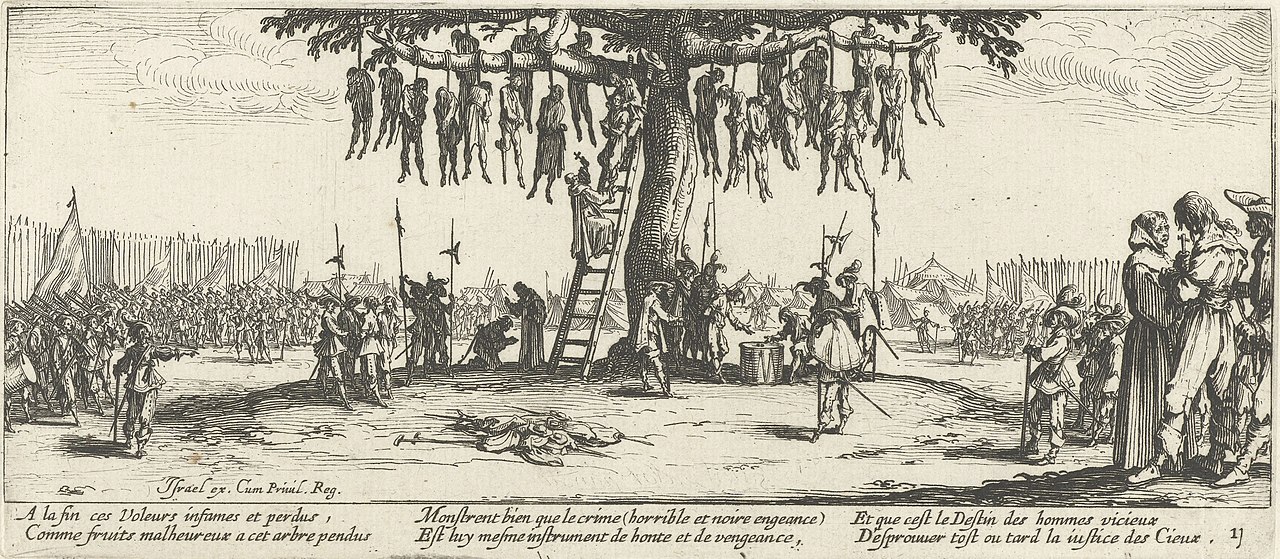
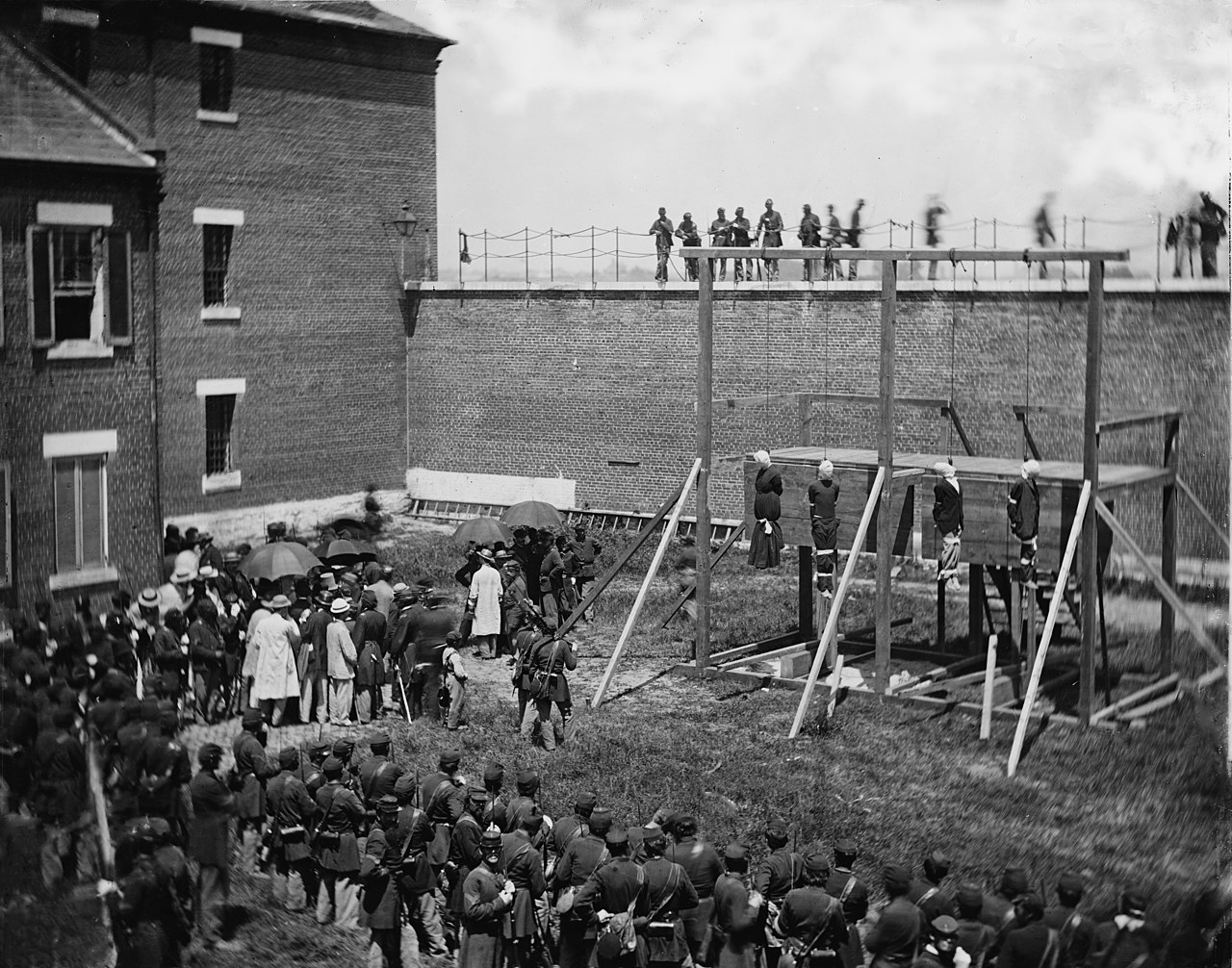
Hanging denotes death resulting from suspension or pressure on the neck caused by a ligature such as a rope placed around the throat. In common usage it specifically refers to carrying out an act of killing by suspension of the body from the neck, a meaning reflected in standard lexical authorities such as the Oxford English Dictionary. Hanging may occur in several contexts, including judicial execution and suicide, and it is treated differently in legal and medical discussions.
Image gallery
10 Images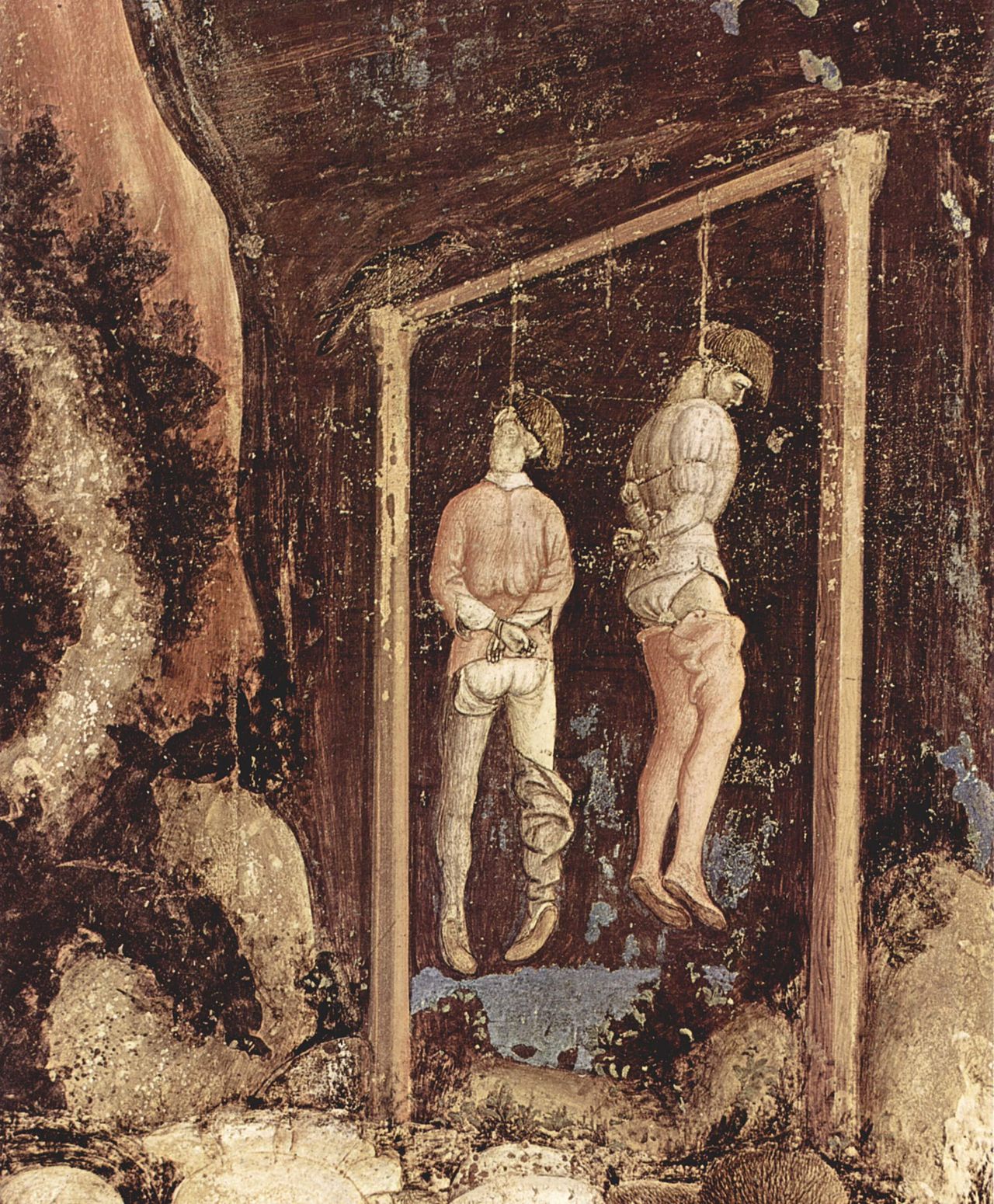





History and cultural references
Accounts of executions by hanging appear in ancient literature; for example, one of the earliest literary references is found in Homer’s Odyssey. Over centuries hanging has been a common method of capital punishment in many societies and has featured in criminal law, military discipline and popular culture. Practices evolved regionally according to legal traditions, engineering of gallows, and public attitudes toward capital punishment.
Contexts and legal status
Hanging has been used in different settings. Common legal or social contexts include:
- Judicial execution: historically a widespread method of carrying out the death penalty; it remains a sanctioned form of execution in some jurisdictions and is discussed in contemporary debates about capital punishment and human rights (execution, death penalty).
- Suicide: an unfortunately common means of self-inflicted death worldwide; this is a public health concern and subject to prevention efforts (suicide).
- Accidental or homicidal cases: occasionally classified separately in medico-legal investigations.
Some countries still retain hanging as a legal punishment; for example, it is used in parts of East Asia such as Japan, and in several African states (certain African countries), though practices and frequency vary.
Characteristics and physiological effects
From a medical perspective, death after suspension by the neck can result from a combination of airway obstruction, compression of blood vessels supplying the brain, or severe injury to the cervical spine. The exact mechanism in any case is a matter for clinical and forensic assessment rather than a uniform rule. Medical examiners distinguish between different patterns and causes when determining manner of death.
Terminology and notable distinctions
In English usage there is a specific grammatical distinction: when referring to execution or death by suspension, the correct past tense and past participle is hanged (e.g., "He was hanged"), whereas hung is used for other senses of the verb. Discussions about hanging are often accompanied by ethical, legal and medical considerations; contemporary writing usually avoids technical details that could be used to imitate harmful actions and instead focuses on context, prevention and legal status.
For further legal, historical and medical background consult general references on capital punishment, suicide prevention, and forensic pathology accessible through public resources and scholarly literature (rope, OED, execution, suicide, Homer, Odyssey, death penalty, Japan, African countries).
Related articles
Author
AlegsaOnline.com Hanging (death): overview, history, legal status and terminology Leandro Alegsa
URL: https://en.alegsaonline.com/art/42205