
High Court of Australia
Australia’s highest court: its role, structure, history, powers and how it decides key constitutional and legal questions.
Overview
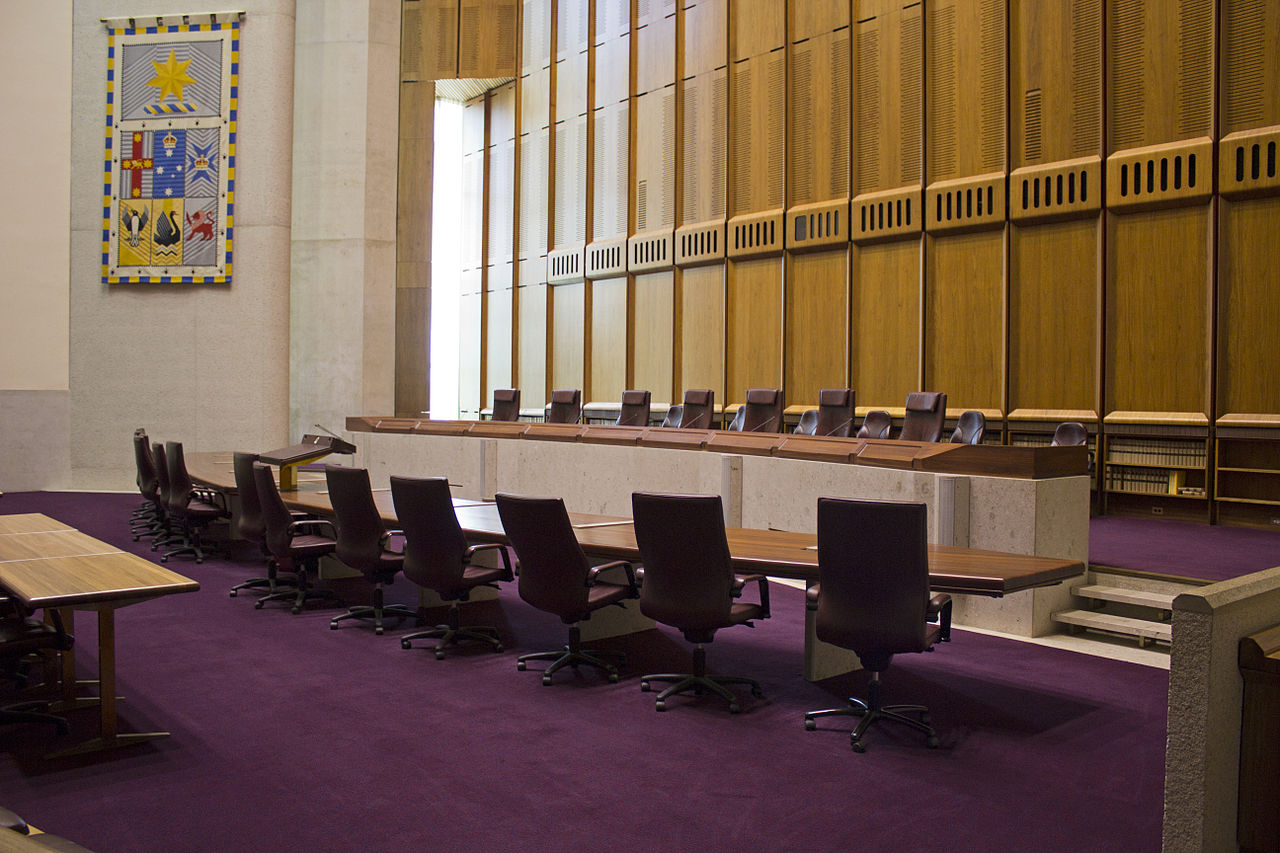
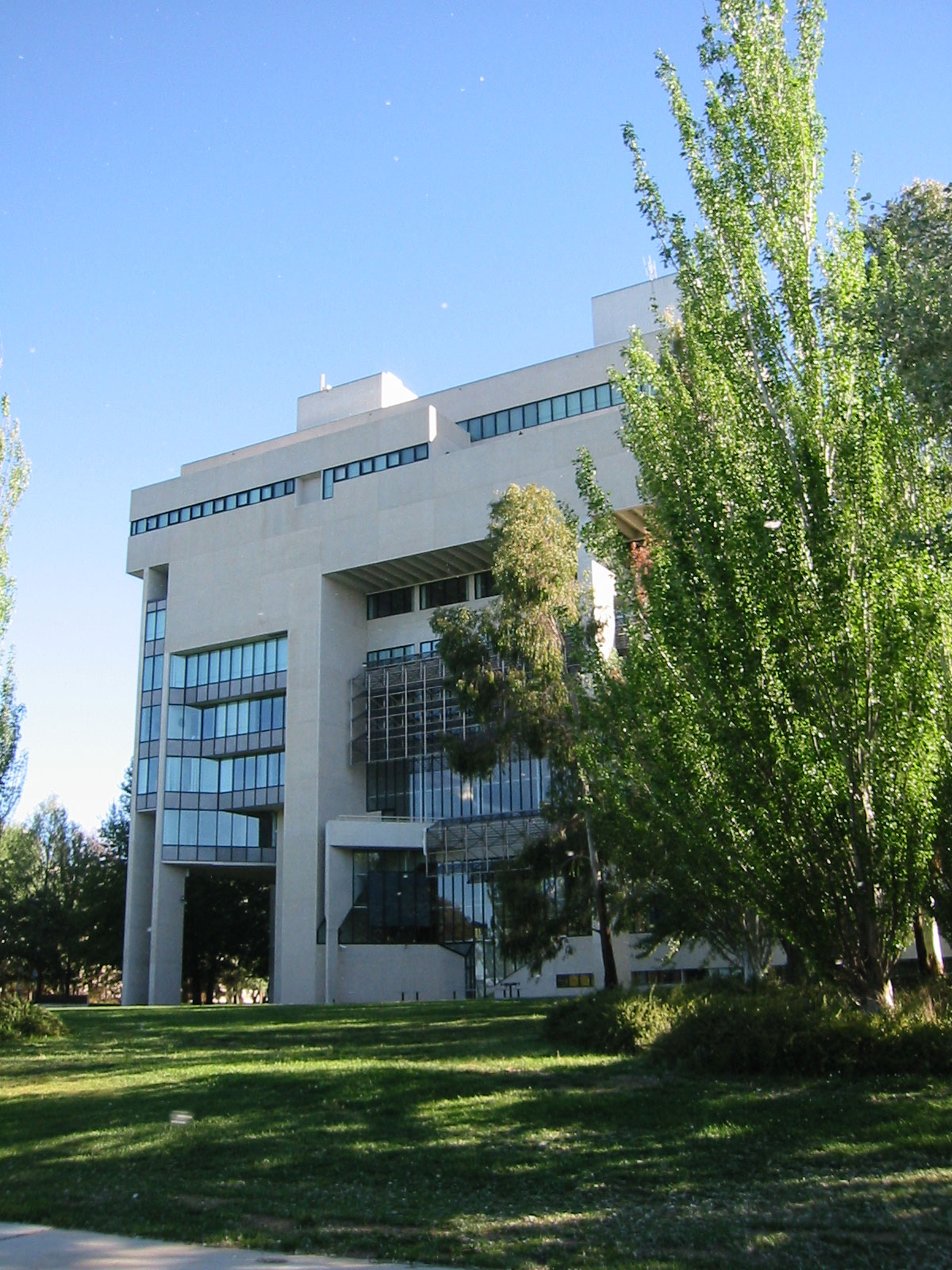
The High Court of Australia is the nation’s highest judicial body and final court of appeal. It sits in Canberra in a purpose-built courthouse and exercises both original and appellate jurisdiction. The court is charged with interpreting the Australian Constitution, resolving disputes between governments, and ensuring federal laws are consistent with constitutional limits. For information about the court’s public-facing resources, see the High Court and general materials about Australia.
Image gallery
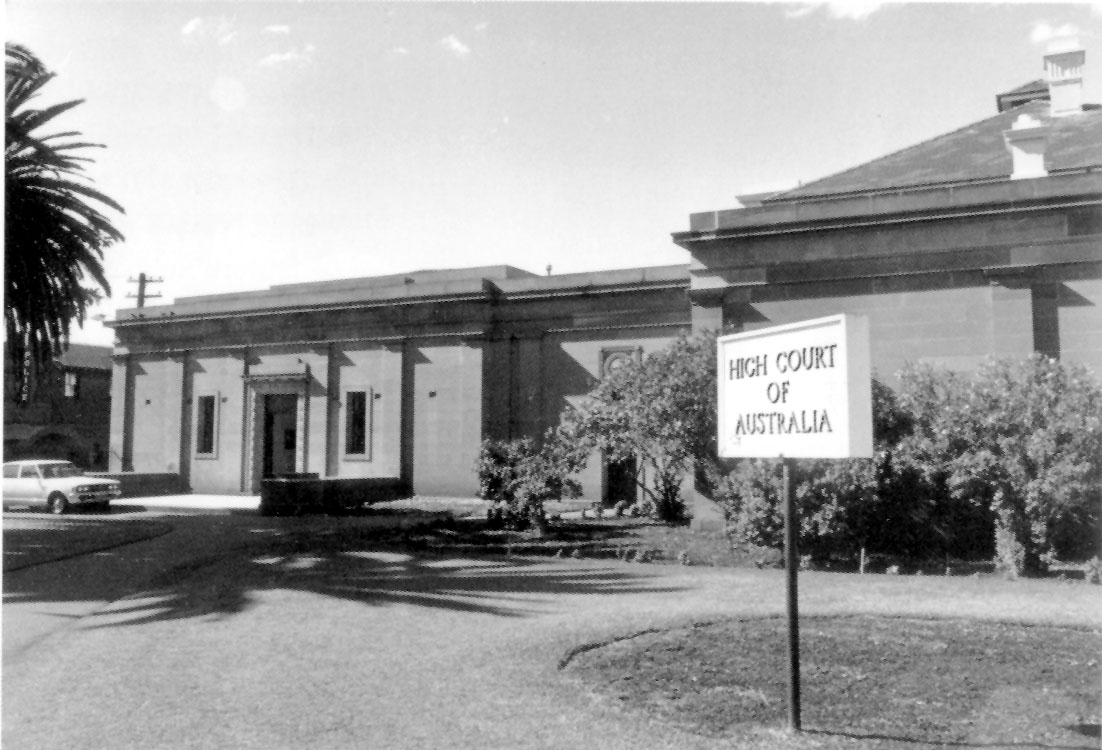
10 Images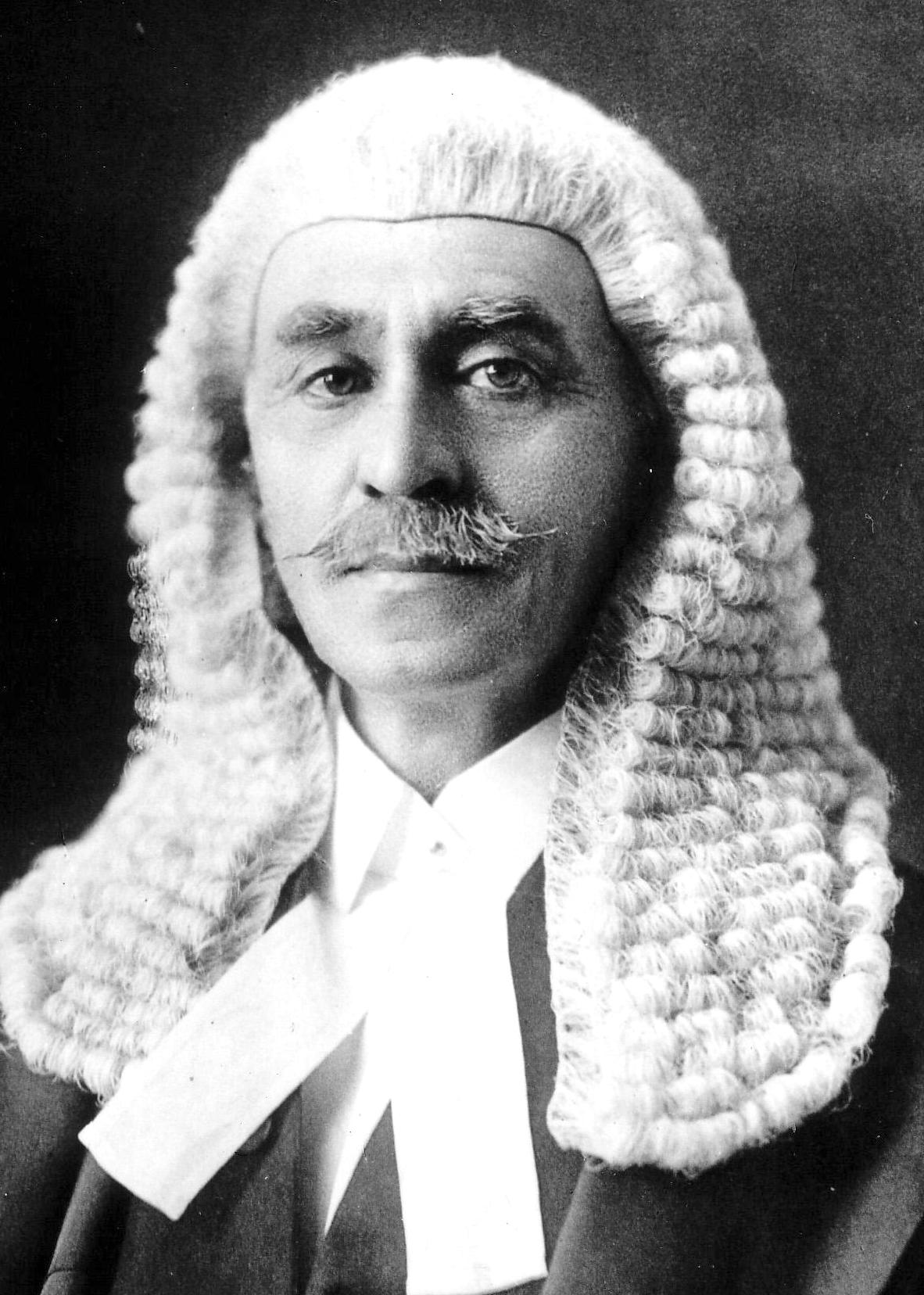





Composition and appointments
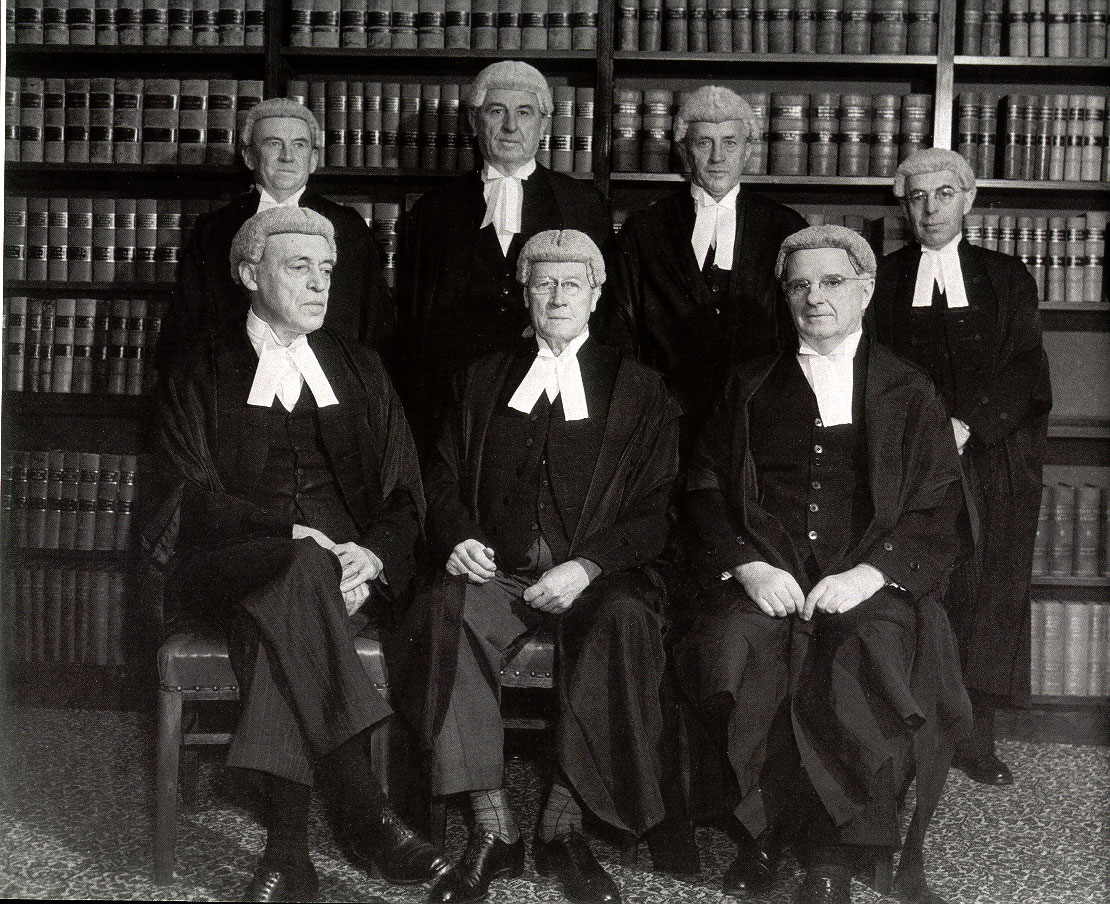
The bench is composed of seven judges known as Justices, one of whom serves as Chief Justice. Justices are appointed by the Governor‑General on the advice of the federal government and serve until a compulsory retirement age. They sit as a full bench for most important constitutional and appellate matters, and in smaller panels for other appeals. Recent and historical rosters, biographies and notices are available via the court’s pages such as Canberra listings and materials on the Justices.
Jurisdiction and functions
The High Court has two principal roles. First, original jurisdiction: certain constitutional disputes and matters between states or involving the Commonwealth can begin in the High Court. Second, appellate jurisdiction: the court hears appeals from federal, state and territory courts on important points of law. Decisions of the High Court bind all other Australian courts and form part of the common law.
- Constitutional interpretation: deciding the meaning and application of constitutional provisions.
- Judicial review: assessing validity of federal and state legislation.
- Final appeals: resolving significant legal questions from lower courts.
History and development
The court was established soon after federation by legislation under the Constitution and has evolved over the 20th century into the nation’s supreme judicial authority. Historically, there were routes of appeal to courts outside Australia; these were progressively removed during the late 20th century so that the High Court became the ultimate appellate tribunal for Australian law. For historical context and primary documents consult appeal process and background on the court’s history.
Importance and practical impact
High Court rulings shape national policy and everyday rights by settling disputes about federal power, civil liberties, taxation, commercial regulation and more. Because its judgments are authoritative and widely reported, they play a central role in legal education, government decision-making and public debate. While the court is legal in nature, its constitutional decisions often have wide political and social consequences.
Related articles
Author
AlegsaOnline.com High Court of Australia Leandro Alegsa
URL: https://en.alegsaonline.com/art/44088