
Heavy metals: definitions, properties, uses and environmental impact
Heavy metals are dense metallic elements or their compounds. This article explains definitions, physical and chemical properties, common examples, uses, environmental and health concerns, and notable distinctions.
Overview
The phrase "heavy metals" refers broadly to metallic elements or their compounds that are relatively dense, have large atomic masses, or high atomic numbers. Different authors use different criteria, so the term can be imprecise: some definitions emphasize mass or density, others focus on innate toxicity or chemical behaviour. Typical entry points for discussion include general metals, measures of density, and distinctions based on atomic weight. Classic examples often cited in textbooks include mercury because of its long-known health effects.
Image gallery
10 Images





Characteristics and definitions
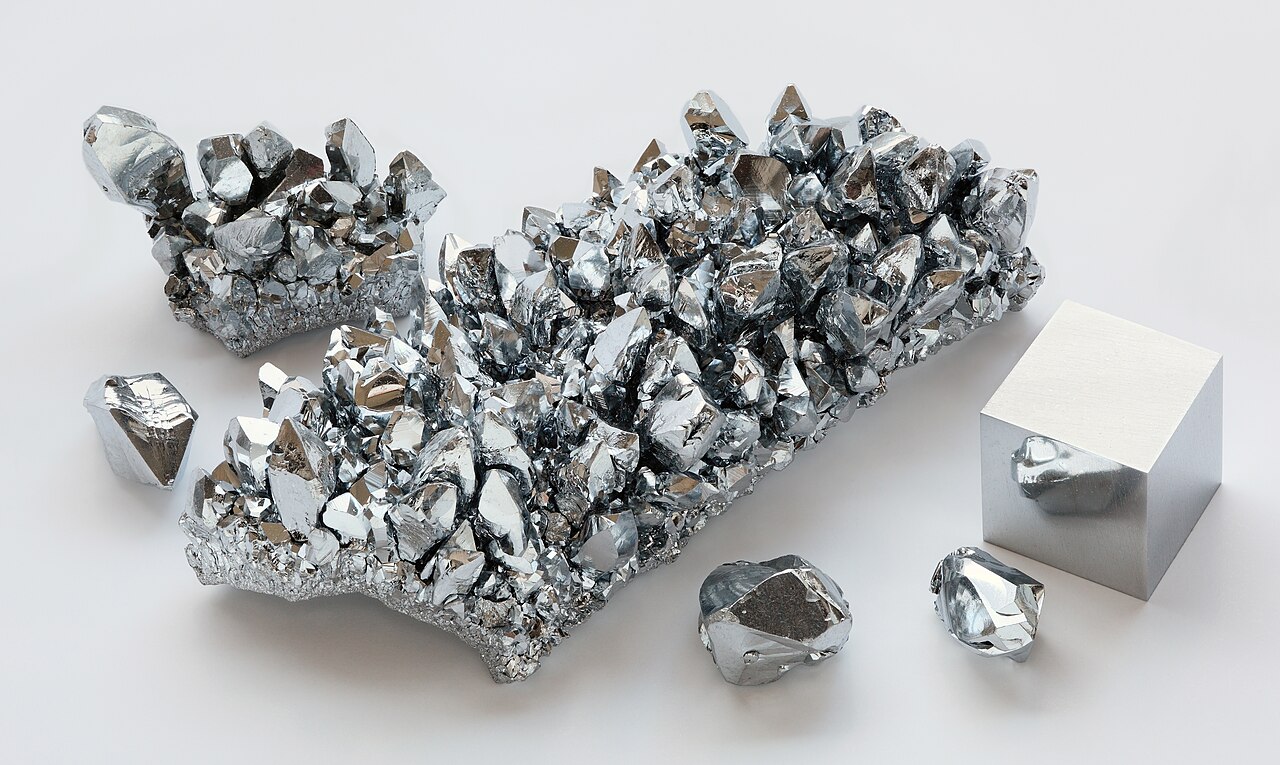
Physical properties commonly associated with heavy metals include high density (often cited as greater than about 5 g/cm3), high atomic number, and metallic bonding. Some lists of heavy metals emphasize practical criteria and name elements such as lead or bismuth as examples, and compare them to lighter structural metals like iron. Other uses of the term extend to metalloids that behave like metals in some contexts, for instance metalloids such as arsenic. Transition elements such as chromium are also frequently grouped under the umbrella of heavy metals in environmental and health discussions.
Representative elements
Occurrence and historical context
Many heavy elements are less abundant in the Earth's crust than lighter elements because, during planetary differentiation, some sank toward the core; this geological explanation is often summarized in references to the scarcity in the crust and the idea that elements sank into the core. Humans have used assorted heavy metals for millennia: their durability, malleability, resistance to corrosion, and special electronic or catalytic properties made them valuable for tools, ornaments and later for industrial and technological applications.
Everyday uses and applications
Modern uses of heavy metals are diverse because specific elements contribute desirable mechanical, electronic, optical, or chemical properties. Common applications include:
- Metallurgy and weighted equipment such as golf clubs.
- Medical and consumer antiseptics or preservatives (antiseptics).
- Coatings and high-temperature components like parts in self-cleaning ovens.
- Renewable and electronic technologies such as solar panels and mobile phones.
- Specialized scientific equipment including particle accelerators and other research apparatus.
Toxicity, health and environmental impacts
In environmental science and public health contexts, the term "heavy metal" is often used to flag elements or compounds that bioaccumulate and can be toxic at low concentrations. Not all heavy metals are hazardous in all forms or doses: for example, the element gold is largely inert in metallic form and is not acutely toxic when handled, while some of its compounds can be harmful. Conversely, certain elements like cobalt, nickel and copper are essential micronutrients in small amounts but toxic at higher concentrations. The environmental behaviour — mobility in soils and water, persistence, and capacity to enter the food chain — determines ecological risk and guides regulation and remediation efforts.
Distinctions, notable facts and classification challenges
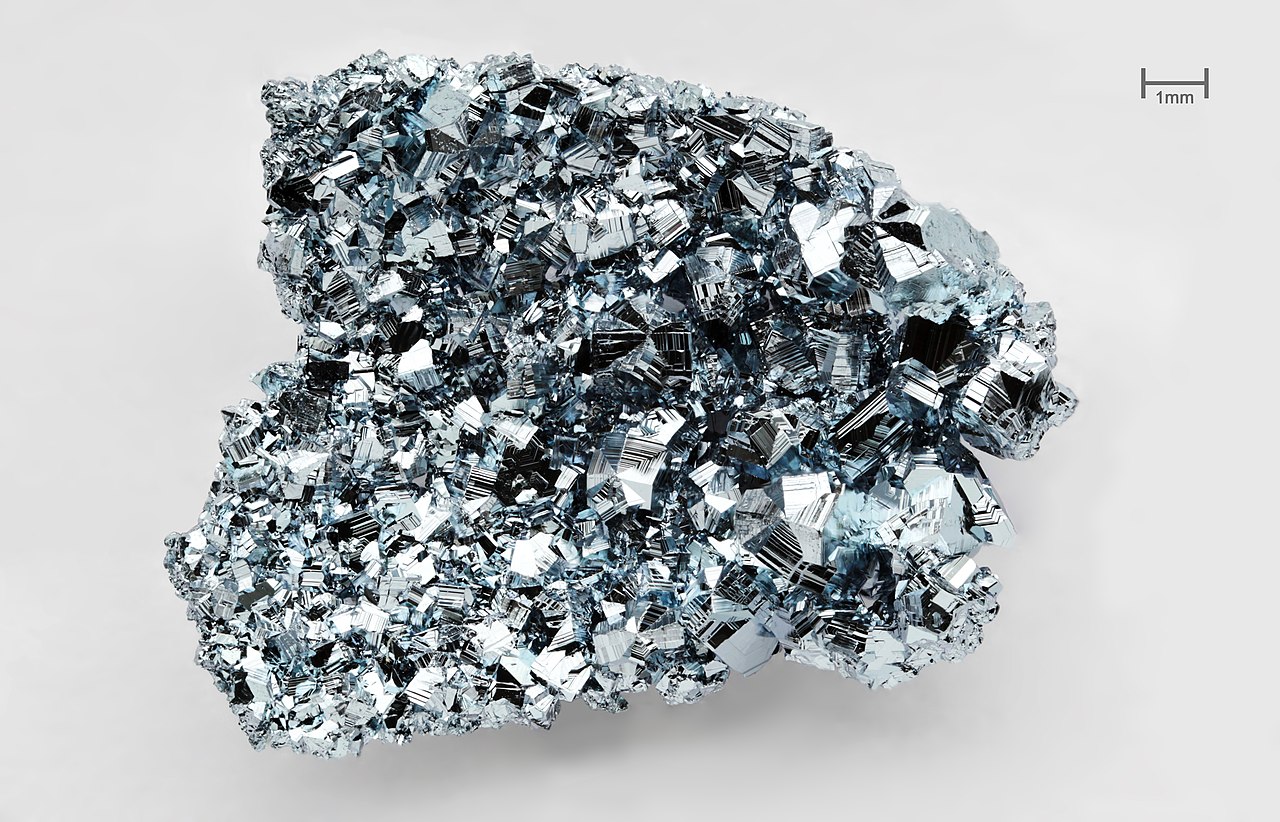
There is no universally accepted single definition of "heavy metal," so lists vary by discipline. Some writers rank elements by density or atomic number; others list metals that are of regulatory or toxicological concern. The densest naturally occurring metal is often cited as osmium, while chemical inertness explains why certain heavy metals have been prized for jewelry and coinage. Because the category mixes very different elements and behaviours, careful communication is important: technical reports typically name specific elements or species (oxidation states and compounds) rather than relying solely on the loose label "heavy metal."
For further general reading and reference, see topics on individual elements and on environmental chemistry, which treat the properties, uses and risks of specific metals in detail. Additional resources and databases provide element-by-element information and regulatory guidance for handling and remediation.
Questions and answers
Q: What are heavy metals?
A: Heavy metals are metals or chemical compounds containing metals with relatively high density, high atomic weights, or atomic numbers. This might mean up to 96 out of the 118 known chemical elements. Examples include mercury, lead and bismuth.
Q: What is the density of heavy metals?
A: Heavy metals have a density of more than 5 g/cm3 and they are all denser than iron.
Q: Are all heavy metals toxic?
A: No, not all heavy metals are toxic. For example, gold is one of the heaviest metals but it is non-toxic and chemically inert in the body. Some gold compounds can be toxic though.
Q: How many elements make up heavy metal?
A: Up to 96 out of the 118 known chemical elements make up heavy metal.
Q: What is the heaviest metal by density?
A: The heaviest metal by density is osmium.
Q: Where do most heavy metals come from?
A: Most heavy metals come from Earth's crust because most have sunk into the Earth's core.
Q: How are heavy metals used in modern life?
A: Heavy Metals are used in modern life for various purposes such as golf clubs, cars, antiseptics, self-cleaning ovens, plastics, solar panels, mobile phones and particle accelerators.
Tags
Related articles
Author
AlegsaOnline.com Heavy metals: definitions, properties, uses and environmental impact Leandro Alegsa
URL: https://en.alegsaonline.com/art/43142