
Hague Conventions (1899 and 1907)
Two early multilateral treaties negotiated at The Hague that codified rules for conduct in war, limited certain weapons, addressed occupation and neutral rights, and influenced later international humanitarian law.
Overview
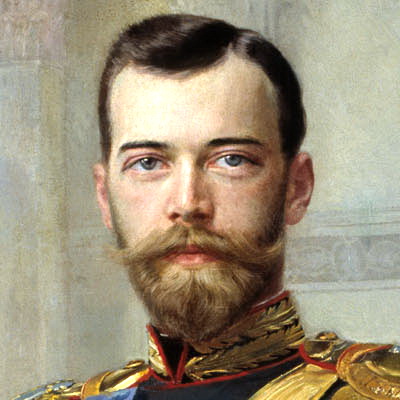
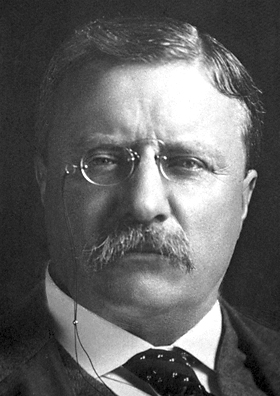
The Hague Conventions are a collection of multilateral treaties and declarations negotiated at international peace conferences held in The Hague (Den Haag) in 1899 and 1907. They sought to limit the methods and means of warfare, to protect certain persons and property during armed conflict, and to create procedures for peaceful dispute resolution. The set is commonly referenced alongside the Geneva Conventions as foundational to modern international humanitarian law. See the original convening at the Hague Peace Conference.
Image gallery
5 Images


Key provisions and characteristics
Rather than a single code, the Conventions comprise separate instruments that address different topics. Important themes include:
- Restrictions on weapons and tactics: prohibitions on projectiles intended to cause unnecessary suffering and limits on certain bombardment methods.
- Rules of occupation and military administration: duties to protect civilians and private property in occupied territory.
- Treatment of prisoners and wounded: basic obligations toward combatants hors de combat and medical units.
- Neutrality and maritime law: standards governing the rights and duties of neutral states.
Some provisions set up institutions and mechanisms for arbitration and legal dispute settlement.
Historical development
The Conventions emerged from late 19th‑century efforts to civilize warfare and to provide legal means for resolving international disputes. The 1899 conference produced several declarations and the first multilateral agreement for peaceful arbitration; the 1907 conference expanded and clarified many rules. The documents reflect the period's technological and diplomatic context and were among the earliest treaties to address what would later be called "war crimes." Learn more about the 1899 and 1907 meetings at 1899 and 1907.
Significance and legacy
The Hague Conventions helped shape customary international law and influenced later instruments and tribunals. They are frequently cited in discussions of the laws of war, and their language informed later codifications and prosecutions related to armed conflict. While enforcement was limited in some historical episodes, the Conventions' principles persisted and complemented the humanitarian focus of the Geneva framework. References on war crimes and the laws of armed conflict can be found via war crimes and laws of war.
Distinctions and notable facts
It is important to distinguish the Hague Conventions (rules on means and methods of warfare and diplomatic procedures) from later Geneva instruments (protection of victims). The Conventions are considered part of public international law and continue to be relevant in legal argumentation and military doctrine; see general sources on international law.
Related articles
Author
AlegsaOnline.com Hague Conventions (1899 and 1907) Leandro Alegsa
URL: https://en.alegsaonline.com/art/41763