
Laws of War (International Humanitarian Law)
The laws of war, or international humanitarian law, are rules that limit suffering in armed conflict by protecting civilians, prisoners and the wounded and by restricting methods and means of warfare.
The laws of war, often called international humanitarian law, are a set of legal rules and norms intended to limit suffering and destruction during armed conflict. They balance military necessity with basic principles of humanity so that combat is constrained by obligations to protect those who are not, or no longer, participating in hostilities. These rules form part of wider international law and reflect standards of humanitarianism accepted by most states and many armed groups.
Image gallery
5 Images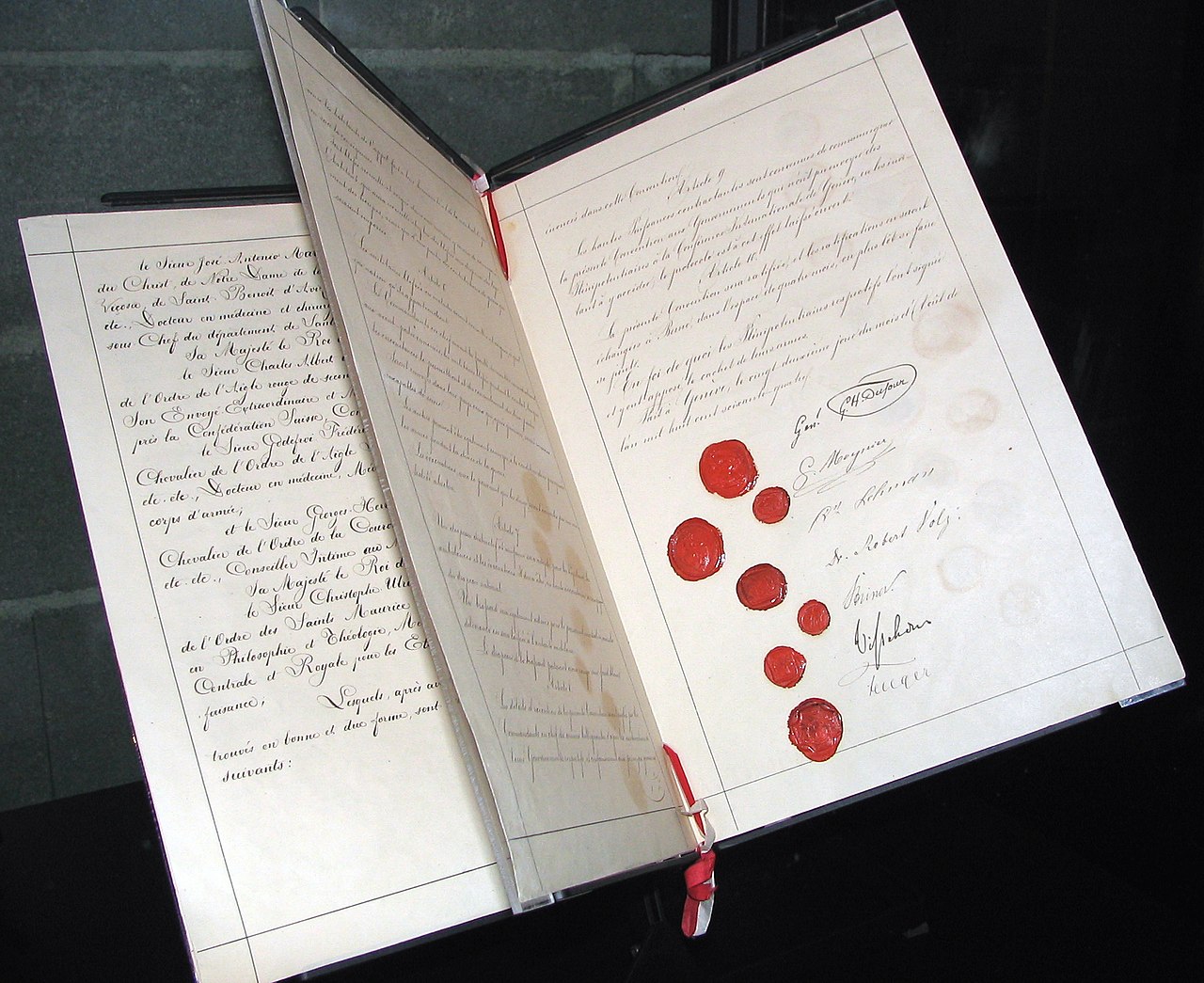


Core principles and protections
- Distinction: Parties must distinguish between combatants and civilians and may not direct attacks against civilians.
- Proportionality: Attacks that would cause excessive civilian harm relative to the anticipated military advantage are prohibited.
- Military necessity: Force may be used only to achieve a legitimate military objective.
- Humanity: Torture, cruel treatment and outrages against personal dignity are forbidden; wounded and sick must be cared for.
- Protection of categories: Prisoners of war, medical personnel, cultural property and humanitarian workers enjoy special protections.
These principles are implemented through specific rules on methods and means of warfare. Prohibitions include indiscriminate attacks, perfidy, and the use of certain weapons that cause unnecessary suffering. The exact obligations vary between international armed conflicts and non-international armed conflicts, but core protections apply across contexts.
History and development
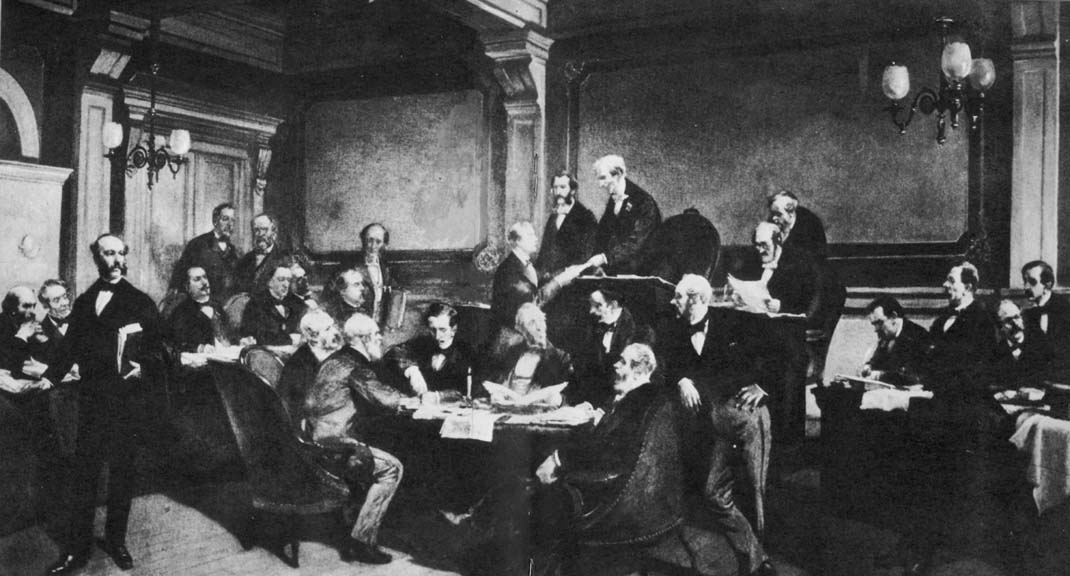
The modern body of law developed through treaties, state practice and judicial decisions. Key treaty instruments include the Hague and Geneva Conventions and later protocols that clarified protections for combatants, civilians and the sick. Over time customary international law has also established widely accepted norms that bind states even where they are not party to particular treaties.
Application, enforcement and contemporary issues
States, commanders and individual fighters have legal duties to respect the laws of war. Violations can amount to war crimes prosecuted by national courts, ad hoc tribunals, or the International Criminal Court. Enforcement faces practical challenges, especially in internal conflicts, asymmetric warfare, and when armed groups refuse to comply. Technological change — including drones, cyber operations and new weapons — and urban fighting continue to raise legal and moral questions about how to apply traditional rules effectively.
Despite limits on enforcement, these rules play an important role in restraining violence, protecting vulnerable people, and providing a basis for humanitarian action and accountability after conflict.
Questions and answers
Q: What are the Laws of war?
A: The Laws of war are some simple rules or international law which most people accept about fighting out of humanitarianism.
Q: Why do many people think that there should be no rules in war?
A: Many people think that because there is fighting, there should be no rules. This is called "total war".
Q: Why have laws of war been made?
A: Laws of war have been made so that wars do not get worse than they need to be.
Q: What is the objective of the laws of war?
A: The objective of the laws of war is to ensure that wars are fought with a certain level of humanity and don't turn into atrocities.
Q: What is the alternative to the laws of war?
A: The alternative to the laws of war is "total war" where there are no rules and anything goes.
Q: Who accepts the laws of war?
A: Most people accept the laws of war.
Q: How can wars be prevented from getting worse by laws of war?
A: Wars can be prevented from getting worse by laws of war as they set certain limits and guidelines to ensure a certain level of humanity and prevent atrocities from taking place.
Related articles
Author
AlegsaOnline.com Laws of War (International Humanitarian Law) Leandro Alegsa
URL: https://en.alegsaonline.com/art/56461