
Halakha: Jewish religious and legal tradition
Halakha is the body of Jewish law and practice derived from the Hebrew Scriptures, rabbinic interpretation, codes and custom, guiding ritual, ethical, civil and communal life.
Overview
Halakha (from the Hebrew root meaning "to walk" or "to go") denotes the collective body of Jewish religious law, practice and legal rulings. It functions as a framework for daily conduct, ritual observance, ethical behavior and communal governance in Jewish life. Halakha is prescriptive: it tells individuals and communities what is required, permitted or forbidden.
Image gallery
8 Images






Sources and method
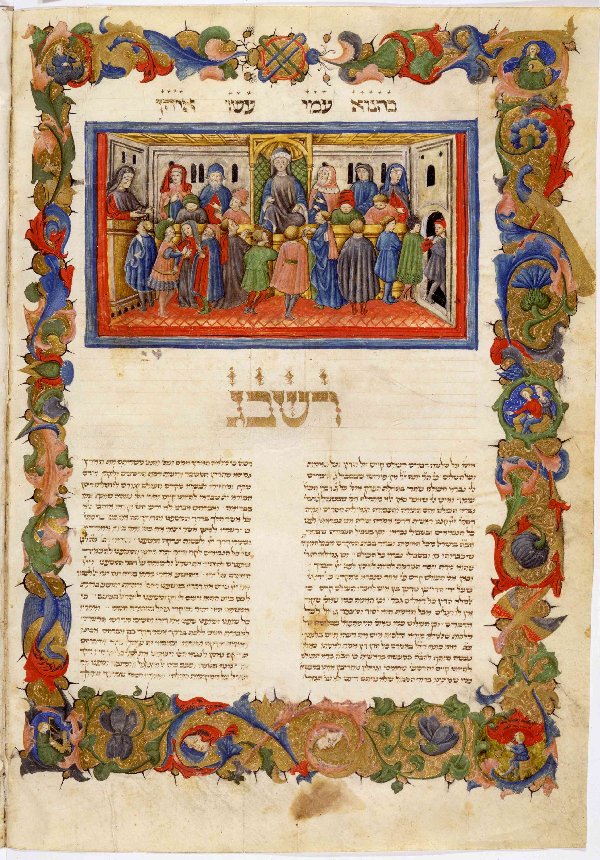
Its primary sources include the Written Torah (the Pentateuch) and the Oral Tradition, transmitted and recorded in works such as the Mishnah and the Talmud. Over centuries rabbis developed methods of interpretation and legal reasoning, producing codes, commentaries and responsa. Key influences on halakhic decisions include scriptural text, Talmudic precedent, rabbinic enactment, custom (minhag) and later codifications.
Content and scope
Halakha covers a wide range of life. Important domains are:
- Ritual law: prayer, synagogue practice and festival observance.
- Dietary law: rules of kashrut.
- Sabbath and holiday restrictions and preparations.
- Civil and family law: contracts, marriage and divorce.
- Ethical and interpersonal obligations (bein adam lechavero).
History and development
Halakha developed from biblical commandments interpreted by rabbinic authorities. The Mishnah and Talmud systematized debates and rulings in late antiquity; medieval codifiers summarized and reorganized rulings, and early modern and modern responsa continued to adapt halakhic answers to new circumstances. Different communities preserved distinct traditions and priorities, leading to variation in practice.
Uses, authority and variation
In many Jewish communities halakha functions as the normative guide for worship, lifecycle events and communal regulation. Authority rests with learned rabbis who issue decisions and responsa; communal acceptance, local custom and denominational orientation affect which rulings are followed. Movements within Judaism treat halakha differently: some view it as binding and evolving, others as a historical ethical resource to be reinterpreted.
Distinctions and notable aspects
Halakha is distinct from aggadah (nonlegal narrative material) and from secular law, though it interacts with civil legal systems. It balances textual tradition with jurisprudential methods and communal needs, and its practice varies across Ashkenazi, Sephardi, Mizrahi and other communities. The ongoing process of interpretation keeps halakha both rooted in antiquity and responsive to new realities.
Related articles
Author
AlegsaOnline.com Halakha: Jewish religious and legal tradition Leandro Alegsa
URL: https://en.alegsaonline.com/art/41848