
Handcuffs: design, history, uses and safety considerations
Handcuffs are portable restraints that secure a person's wrists together. This article explains their design, common types, historical development, uses by law enforcement, safety concerns and alternatives.
Handcuffs are portable physical restraints designed to limit the movement of a person's wrists by securing them together with a locking mechanism. They are widely associated with law enforcement, corrections, and security work and may also be used in medical or transport settings to prevent harm or escape. While often pictured as rigid metal bands joined by a short chain, handcuffs exist in several configurations and materials adapted to different needs.
Image gallery
10 Images


Design and main components
Most modern handcuffs share a few common elements: two wrist rings or cuffs, a connecting link (which may be a short chain, hinge, or rigid bar), and a locking mechanism with a key-operated release. The wrist rings are adjustable to fit different wrist sizes and typically include a ratchet that prevents the cuff from opening until unlocked. A small secondary lock is often present to guard against accidental tightening. Typical manufacturers produce models that prioritize durability, ease of application, or reduced injury risk.
Types and materials
Handcuffs vary by construction and purpose. Common categories include:
- Chain handcuffs: two cuffs joined by a short chain, allowing limited wrist separation and rotation.
- Hinged handcuffs: a solid hinge replaces the chain for greater control and reduced leverage.
- Rigid or solid-bar handcuffs: provide maximum control, often used in prisoner transport.
- Restraint alternatives: plastic or nylon cuffs (sometimes called flex-cuffs) for temporary use, and soft restraints for medical or psychiatric contexts.
Materials range from stainless steel and carbon steel to lighter alloys; some models include coatings to resist corrosion or reduce noise. For more on law enforcement practices, see police applications, and for material considerations see metal and alloy choices.
History and development
Devices to bind the hands have existed in various forms for centuries. The modern ratcheting handcuff evolved alongside advances in metallurgy and mass manufacturing, becoming standardized in the 19th and 20th centuries as police forces formalized procedures. Over time, designs have balanced security, officer safety, and prisoner welfare, with ongoing refinements such as double-lock mechanisms to reduce the risk of injury from over-tightening.
Uses, safety and legal considerations
Handcuffs are used to prevent escape, protect officers and bystanders, and maintain order during searches or transport. Their application and duration are often governed by departmental policies, institutional rules, and legal standards that seek to prevent excessive force. Improper use can cause nerve compression, soft tissue injury, or circulation problems; trained personnel are expected to check fit, avoid prolonged tightness, and monitor detainees. Medical exemptions or alternative restraints may apply in situations involving injury, pregnancy, or certain medical conditions.
Notable facts and alternatives
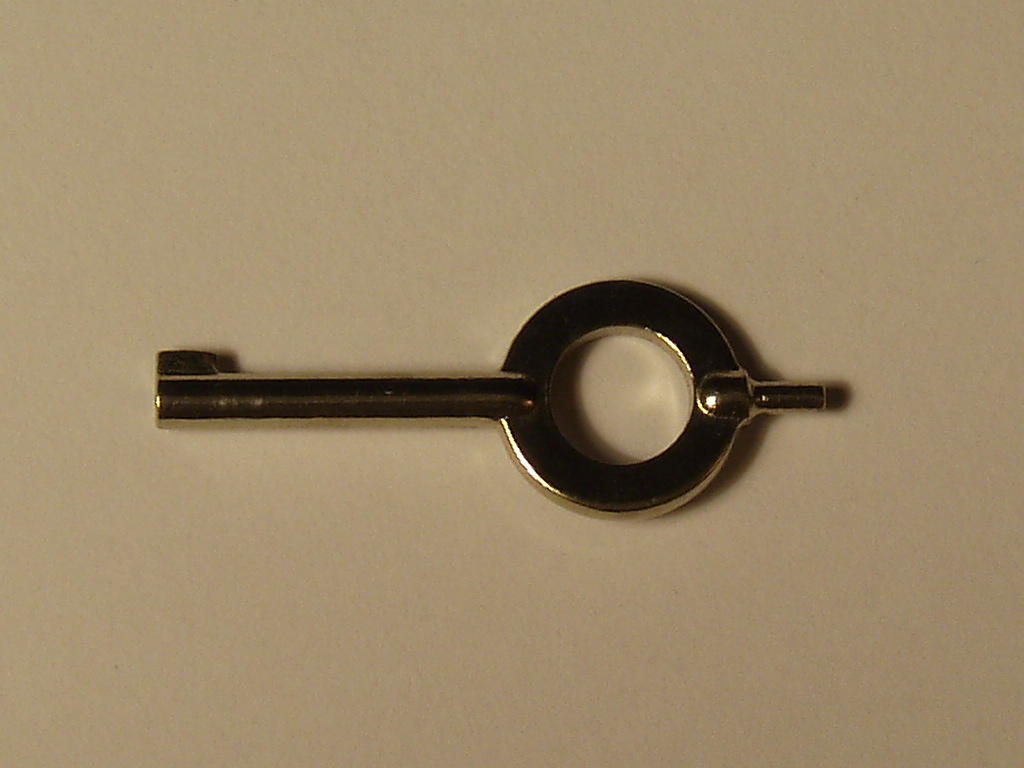
Not all restraints are metallic: disposable plastic restraints are common for mass arrests or when rapid application is needed, while soft restraints are favored in medical settings. Keys for standard police handcuffs are often similar across manufacturers, which facilitates unlocking by authorized personnel but has led agencies to adopt secure protocols for key control. Innovations continue to focus on reducing injury and improving officer safety while respecting legal and human-rights considerations.
Related articles
Author
AlegsaOnline.com Handcuffs: design, history, uses and safety considerations Leandro Alegsa
URL: https://en.alegsaonline.com/art/42176
Sources
- books.google.com : "Mitten Handcuffs Secure Criminal", October 1933, Popular Science