
Gulf Coast of the United States
Coastal region along the Gulf of Mexico spanning Texas, Louisiana, Mississippi, Alabama and Florida; known for its ecosystems, ports, storms, energy industry and distinctive cultures.
Overview
The Gulf Coast of the United States Gulf Coast is the shoreline that meets the Gulf of Mexico. The coastal region includes five principal states: Texas, Louisiana, Mississippi, Alabama, and Florida. These areas lie within the broader Southern region of the United States and form a continuous maritime corridor with shared economic and environmental ties.
Image gallery
8 Images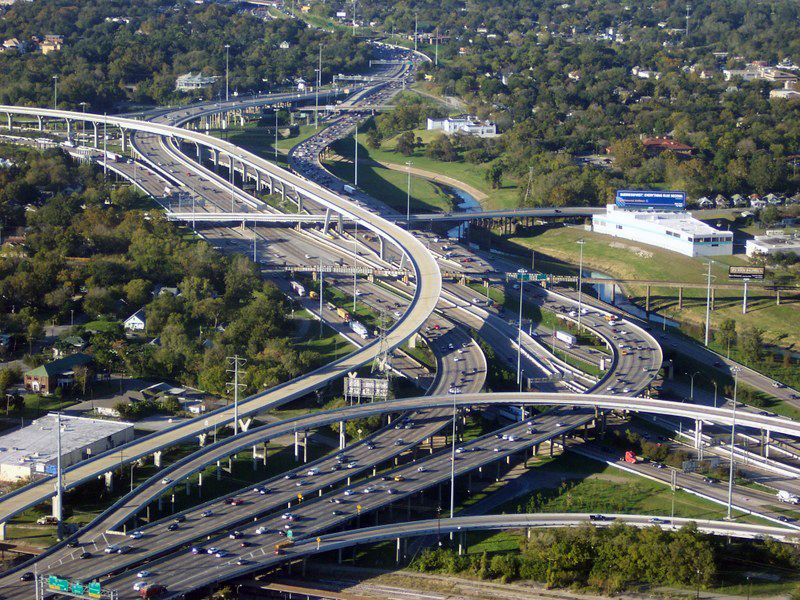




Geography and ecosystems
The coast features a mix of barrier islands, sandy beaches, bays, estuaries and vast wetland systems. Major river deltas, notably where the Mississippi reaches the gulf, create productive marshes and estuaries that support rich fisheries and migratory birds. Mangroves and coastal hardwoods appear in the warmer western and southern reaches, while dune systems and tidal flats are common along many stretches.
Climate, storms and hazards
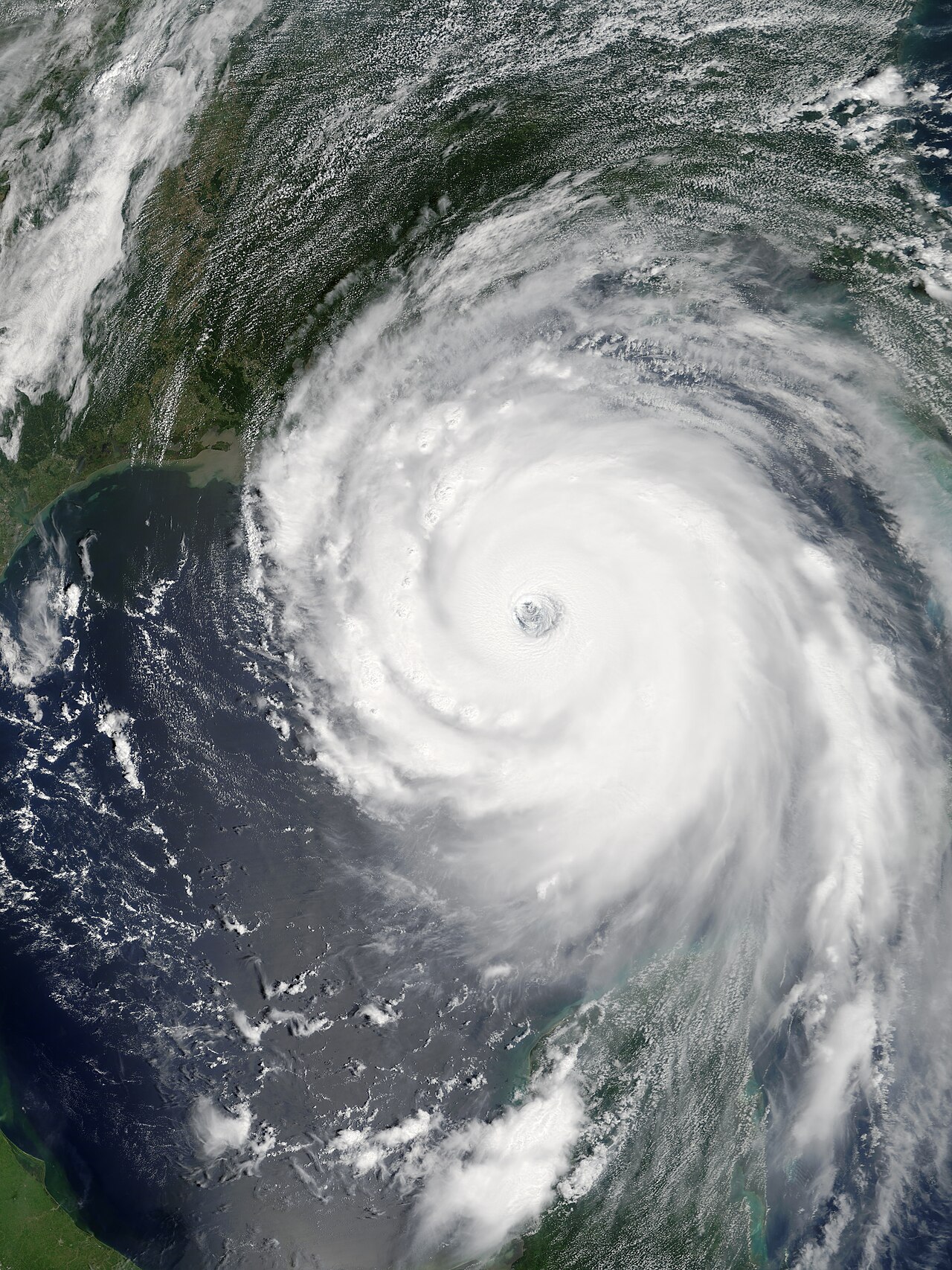
The region has a generally warm, humid climate with a long growing season and mild winters. It is also prone to tropical storms and hurricanes, which can bring destructive winds, heavy rain and storm surge. These hazards shape coastal planning and recovery efforts; some hurricane events and major oil incidents have led to large-scale restoration and emergency responses in recent decades.
Economy and human use
The Gulf Coast is an important economic zone. Major activities include commercial and recreational fisheries, shipping and major ports, tourism centered on beaches and cultural attractions, and energy production—both onshore and offshore oil and gas. Urban centers and industrial facilities line portions of the coast, while smaller coastal communities rely on tourism and seafood harvesting.
History and culture
Human presence along the gulf predates European contact. Colonial history, immigration and trade created a cultural mix evident in cuisine, music and local traditions—Creole, Cajun and Gulf seafood traditions are widely associated with the coast. Port cities long served as gateways for commerce and cultural exchange, influencing regional architecture and festivals.
Conservation and challenges
The Gulf Coast faces environmental pressures such as coastal erosion, wetlands loss, pollution and the impacts of major oil spills. Climate change and sea-level rise increase vulnerability to flooding and habitat change. A combination of engineering, habitat restoration and policy measures aims to protect shorelines, restore wetlands and sustain fisheries while balancing economic needs.
- Key features: deltas, estuaries, barrier islands and major ports.
- Major concerns: hurricanes, erosion, habitat degradation and pollution.
- Importance: ecological productivity, cultural heritage and strategic economy.
Related articles
Author
AlegsaOnline.com Gulf Coast of the United States Leandro Alegsa
URL: https://en.alegsaonline.com/art/41362