
Gulf of California (Sea of Cortés)
A long, biologically rich sea between the Baja California Peninsula and mainland Mexico, formed by tectonic rifting, important for fisheries, tourism, and conservation.
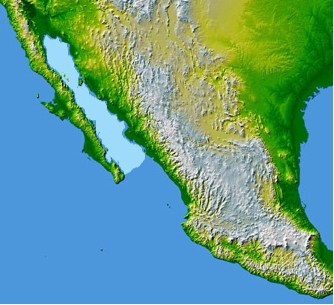
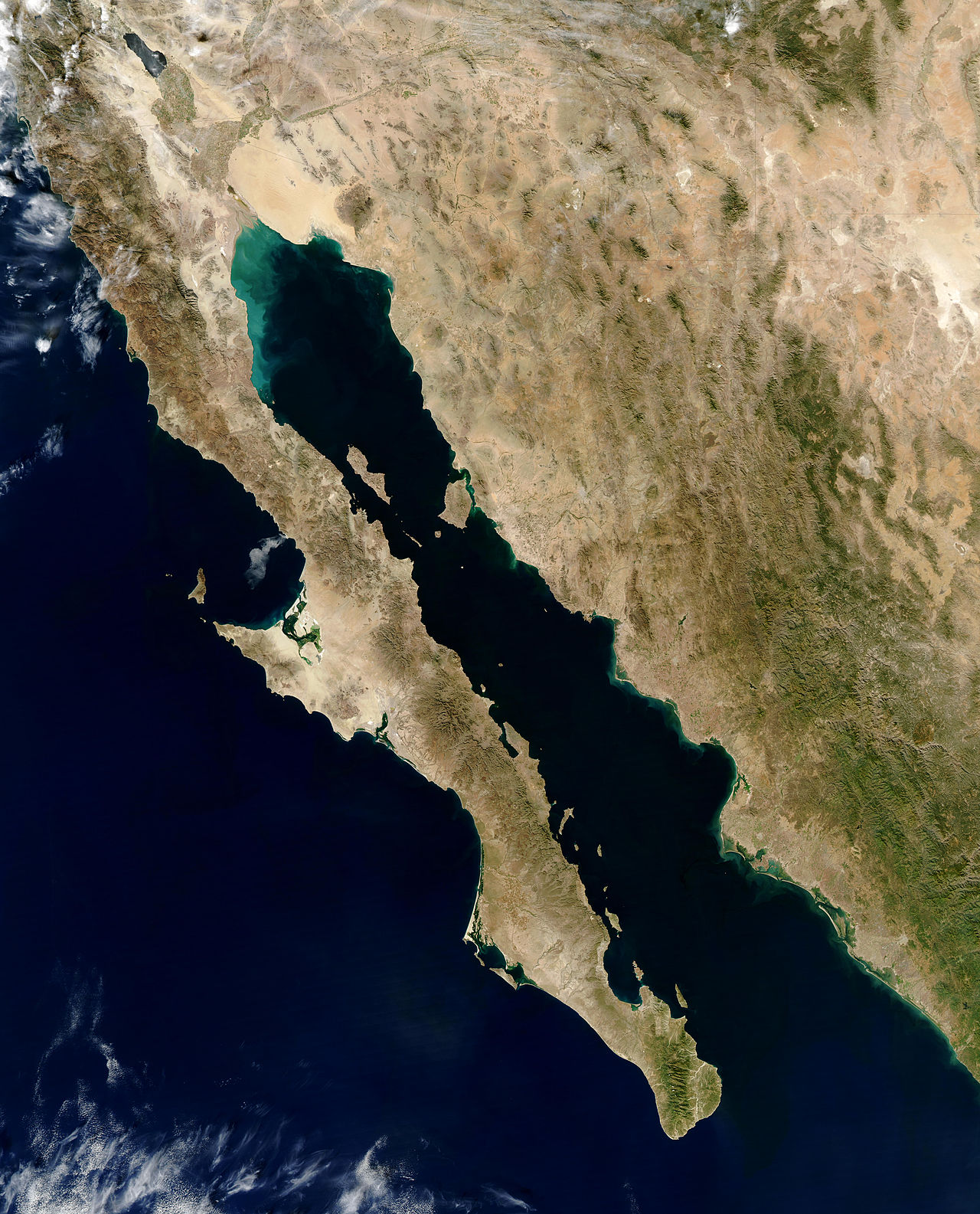
The Gulf of California, also widely known as the Sea of Cortés, is the narrow arm of the Pacific Ocean that separates the Baja California Peninsula from the Mexican mainland. It is bordered by the Mexican states of Baja California, Baja California Sur, Sonora and Sinaloa. The waterbody appears on modern maps most often as the "Gulf of California," while many local residents and historical sources prefer the name "Sea of Cortés" or Spanish forms such as Mar de Cortés and Mar Bermejo.
Image gallery
10 Images


Geography and geological origin
The gulf is a long, relatively narrow sea marked by a complex bathymetry of deep basins and shallow coastal lagoons. Its formation is tied to tectonic activity along the Pacific margin: spreading and rifting separated the Baja California block from the continental landmass several million years ago, creating new oceanic crust and the modern gulf basin. This tectonic history also shaped the shoreline and produced islands, peninsulas and submerged channels. Major rivers that have historically drained into the gulf include the Colorado River and regional rivers such as the Fuerte, Mayo, Sinaloa, Sonora and the Yaqui, which influence coastal estuaries and nutrient cycles.
Ecology and natural significance
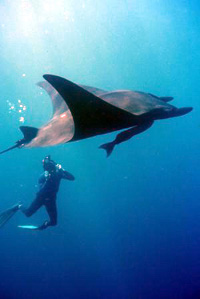
The Gulf of California is recognized for its high biological productivity and a large number of endemic species. Coastal wetlands, mangroves, rocky reefs, and deep basins support fisheries, marine mammals (including migrating whales and resident dolphins), sea turtles, seabirds and diverse fish communities. The gulf's islands and adjacent protected areas have international recognition for their ecological value and cultural heritage; parts of the region have been inscribed as protected landscapes because of the concentration of unique marine and island life.
Human use, economy and culture
People have long relied on the gulf for sustenance and commerce. Fisheries for finfish and shellfish, aquaculture, tourism (including sportfishing and whale watching), and port activities support coastal communities. Major coastal towns and ports along the gulf serve as hubs for regional trade, fishing fleets and visitor services. The sea also holds cultural importance: early explorers and indigenous peoples alike used its islands and coasts for navigation, food and settlement. The name "Sea of Cortés" dates to the 16th century when explorers associated the waterway with Hernán Cortés and his expeditions.
Conservation challenges and management
The gulf faces environmental pressures from overfishing, coastal development, pollution from urban and agricultural runoff, and altered freshwater inflow because of upstream dams and irrigation. Reduced river discharge can change estuarine dynamics and productivity, affecting nursery areas for many species. Conservation efforts include marine protected areas, fisheries management, scientific monitoring and community-based programs aimed at balancing economic use with ecosystem health.
Key characteristics and notable facts
- Alternate names: Gulf of California, Sea of Cortés, Mar de Cortés.
- Borders: Baja California, Baja California Sur, Sonora, Sinaloa.
- Important freshwater inputs include the historical flow of the Colorado River and regional rivers such as the Fuerte, Mayo, Sinaloa, Sonora and Yaqui.
- Named by early European explorers and associated with Hernán Cortés; local Spanish names remain in common use.
As a meeting point of geology, oceanography and human activity, the Gulf of California is both a rich natural laboratory and a region where sustainable management is critical for the future of its fisheries, coastal communities and unique marine life. For further regional information and travel or research resources, consult local authorities and dedicated scientific organizations via official portals such as state agencies and conservation groups linked to the gulf region.
Questions and answers
Q: What is the Gulf of California?
A: The Gulf of California, also known as the Sea of Cortez or Sea of Cortés, is an area of water located between the Baja California Peninsula and Mexican mainland.
Q: What states surround the Gulf of California?
A: The Gulf of California is surrounded by the states of Baja California, Baja California Sur, Sonora, and Sinaloa.
Q: What is the name preferred by local people for the Gulf of California?
A: The name preferred by local people for the Gulf of California is the Sea of Cortés.
Q: Who named the Gulf of California?
A: Francisco de Ulloa named the Gulf of California for Hernán Cortés, who sent him to explore the coast.
Q: When was the Gulf of California made?
A: The Gulf of California was made 5.3 million years ago, changing the flow of the Colorado River.
Q: What are some of the rivers that flow into the Gulf of California?
A: Some of the rivers that flow into the Gulf of California are the Fuerte, Mayo, Sinaloa, Sonora, and Yaqui.
Q: What is the area of the Gulf of California?
A: The area of the Gulf of California is approximately 160,000 km² (62,000 square miles).
Related articles
Author
AlegsaOnline.com Gulf of California (Sea of Cortés) Leandro Alegsa
URL: https://en.alegsaonline.com/art/41368
Sources
- review.nsf-margins.org : "Science Plans RCL"