
Guitar solo: form, technique, history and cultural role
An overview of the guitar solo: its musical functions, common techniques, historical development across genres, notable examples, and how its role has changed over time.
Overview
A guitar solo is a passage in which the guitar plays a leading melodic or textural role, either supported by other instruments or entirely alone. Solos can be brief fills between sung phrases, extended improvised passages, or composed instrumental sections. They serve several musical functions: to present a memorable melody, to add contrast or drama, to showcase virtuosity, or to contribute atmosphere and sonic color.
Image gallery
5 Images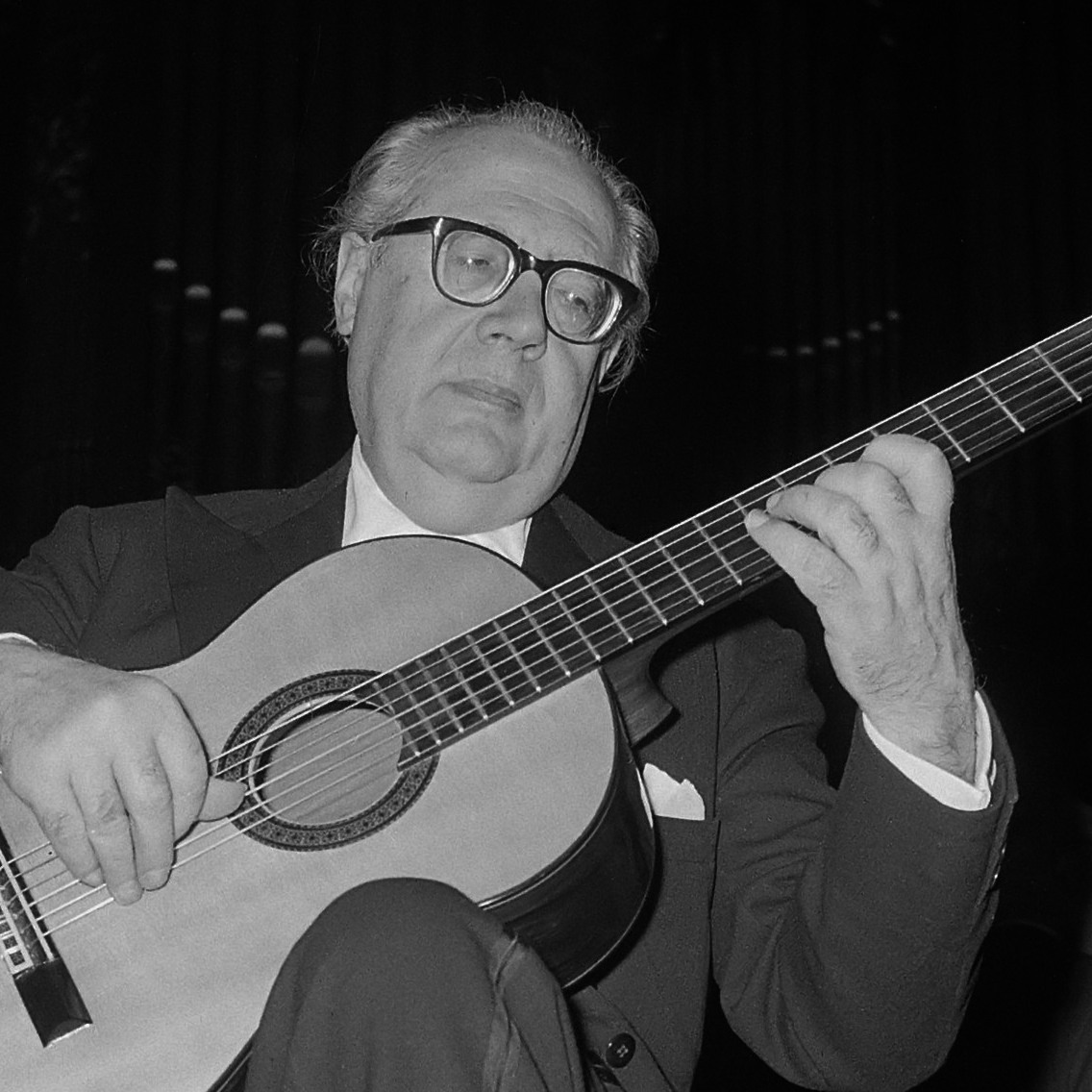


Characteristics and techniques
Guitar solos draw on a wide toolkit of techniques and devices. Common technical elements include bending, vibrato, hammer-ons and pull-offs, slides, alternate and sweep picking, tapping, harmonics, and the use of effects such as overdrive, delay, reverb, chorus, and wah. Choices about tone, tempo, phrasing and scale material shape a solo's character: blues-based solos often emphasize expressive bends and the minor pentatonic scale, jazz solos may employ extended harmonies and chromatic lines, and classical guitar solos rely on polyphony and fingerstyle articulation.
Structure and context
Solos may be improvised on the spot or carefully composed and arranged. In ensemble settings a soloist typically occupies the foreground while accompaniment provides harmonic and rhythmic support. Solo guitar works—unaccompanied pieces for classical, flamenco, or fingerstyle players—require the instrument to convey melody, harmony and bass lines simultaneously. Studio techniques such as overdubbing and effects processing expanded the palette of what a solo can sound like.
History and stylistic development
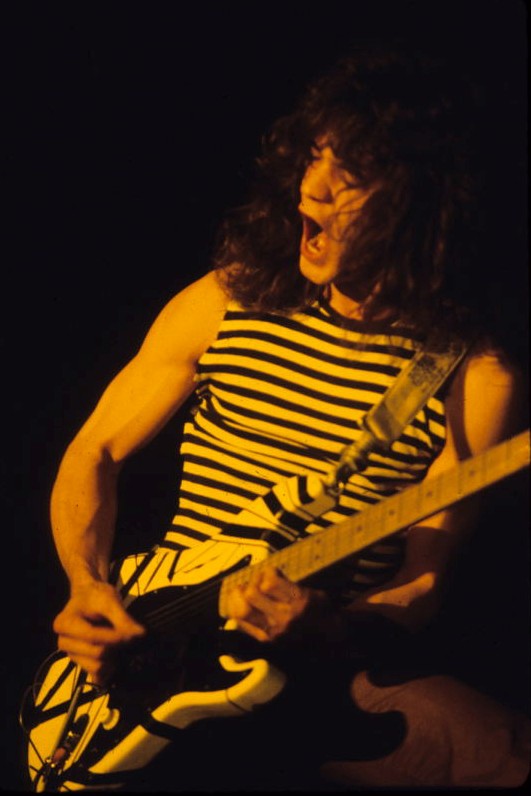
The guitar has been used for solo performance in many traditions for centuries, from classical and folk to early blues. In the 20th century the rise of amplified electric guitar altered the cultural prominence of the solo, especially in jazz, blues and rock. During the mid-20th century and into the 1980s, extended and technically dazzling solos became a hallmark of certain styles of rock and metal. From the late 20th century onward, popular music has shown more varied approaches: some artists emphasize concise, song-serving solos, others experiment with texture and studio-produced soundscapes.
Uses, genres and notable approaches
Different genres favor different soloing approaches: classical guitarists focus on composition and polyphony; jazz players prioritize harmonic improvisation; blues players highlight expression and phrasing; rock and metal often spotlight speed and tone. Some guitarists are known primarily for distinctive solo work, while others use the solo as one of many expressive tools. Solos can function as focal points in live performance, opportunities for improvisation, or crafted studio moments.
Further reading and examples
- General overview of guitar solos
- Rhythmic and harmonic accompaniment roles
- Accompaniment techniques
- The guitar as a solo instrument
- Unaccompanied solo repertoire
- Virtuosity and technical display
- Rock guitar traditions
- Overdrive and distortion effects
- Electric guitar tone and setup
- Angular and atonal solo styles
- Studio-produced guitar soundscapes
- Composed and experimental guitar works
- The 1980s and the solo's cultural peak
- Critical views and the '80s cliché'
- Guitar solos in contemporary pop
The guitar solo remains a flexible element that adapts to changing tastes and technologies. Whether foregrounded as a virtuosic showpiece, woven into a song's texture, or used to create ambient timbres, the solo continues to be an important expressive resource for guitarists across musical traditions.
Related articles
Author
AlegsaOnline.com Guitar solo: form, technique, history and cultural role Leandro Alegsa
URL: https://en.alegsaonline.com/art/41330