
Guitar: structure, history, playing techniques and common types
Overview of the guitar: its parts, how it produces sound, historical development, playing methods, common types (acoustic and electric) and basic tuning and uses across musical styles.
The guitar is a widely used plucked string instrument with a fretted neck, a resonating body or solid construction, and a set of strings stretched between a headstock and a bridge. It produces sound when strings vibrate and transmit energy to the instrument’s body or pickups. Guitars appear in many musical genres — from intimate solo classical pieces to dense rock ensembles — and are prized for their portability, versatility, and direct expressive control.
Image gallery
10 Images







Main parts and materials
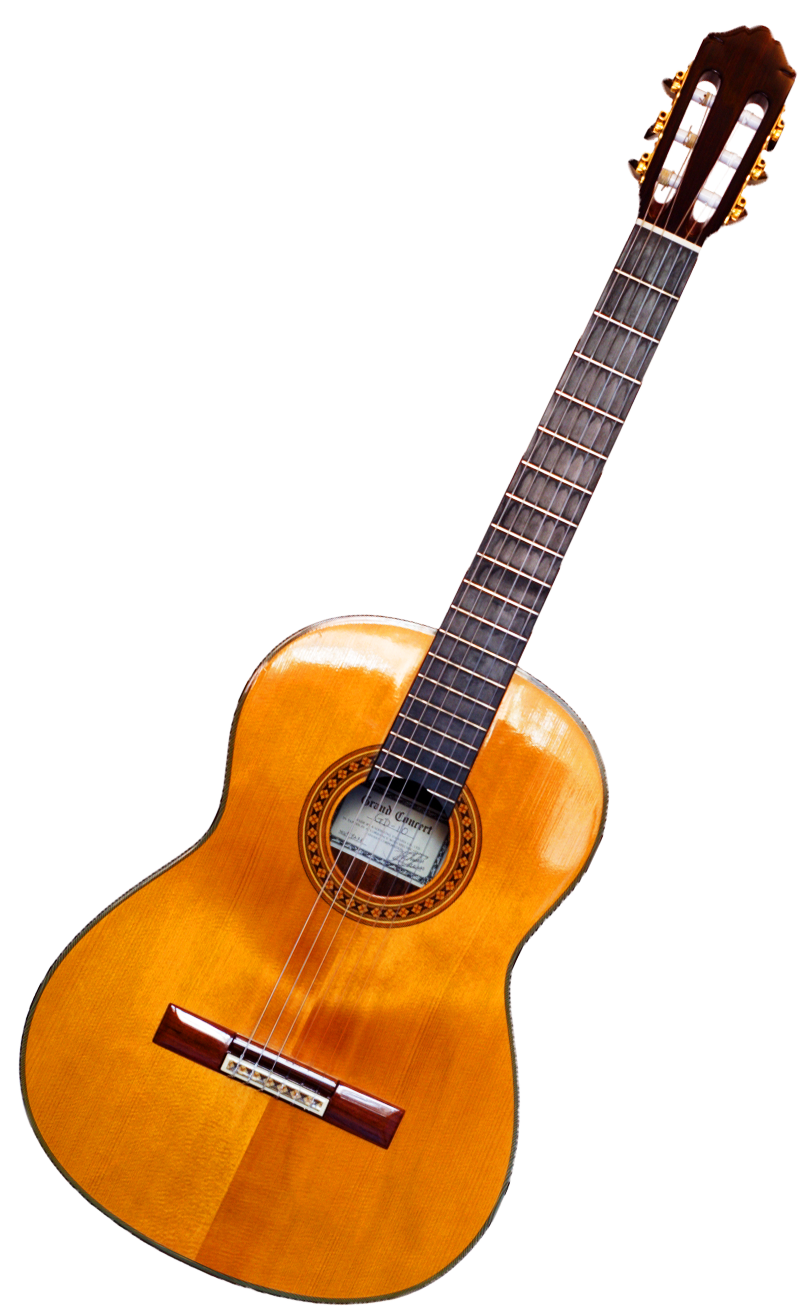
A guitar is built from several distinct components. The principal elements are:
- Body: the large section that can be hollow (acoustic) or solid/laminated (electric); its shape and wood selection influence tone and projection.
- Neck: the long, thin portion that supports the fretboard and strings; its profile affects playability.
- Fretboard: a slotted surface with metal bars called frets that divide the fingerboard into semitone intervals.
- Headstock: houses tuning machines that set string tension and pitch, often with decorative inlays.
- Strings: typically steel or nickel for most modern guitars, nylon for classical instruments; they determine the instrument’s tension and timbre.
Common tonewoods include spruce, cedar, mahogany and maple for acoustic bodies and necks, while electric guitars often combine different woods and electronic components. Some instruments use synthetic materials or composites for durability and cost reasons.
How it is played
Guitarists make sound by plucking or strumming strings with the fingers or a small tool known as a plectrum or guitar pick. Many players use the fingertips and fingernails of the strumming/plucking hand to shape tone and attack. The fretting hand presses strings against the frets to change effective vibrating length and thus the note’s pitch. Dynamic level on an acoustic instrument is produced directly by the player’s touch, which is the instrument’s intrinsic dynamics.
History and evolution
Instruments with similarities to the modern guitar have existed for centuries in various cultures, evolving from lute-like and vihuela forms. By the 19th century a standardized Spanish-style classical guitar emerged, influencing construction and playing techniques. In the 1930s and onward, builders and musicians began adding electronic pickups and amplification; the adoption of amplifiers and electric pickups enabled new sonic possibilities and gave rise to dedicated electric guitar designs suited to popular music styles.
Types, tunings and musical roles
Broadly, guitars are grouped into acoustic and electric families. Acoustic guitars may be classical (nylon strings) or steel‑string and often have a hollow body that projects sound naturally. Electric guitars typically use magnetic pickups and may have either solid or semi-hollow bodies, relying on amplification to be heard clearly. Other varieties include twelve-string, seven- and eight-string extended-range models, bass guitars for low-frequency roles, and hybrid acoustic-electric instruments.
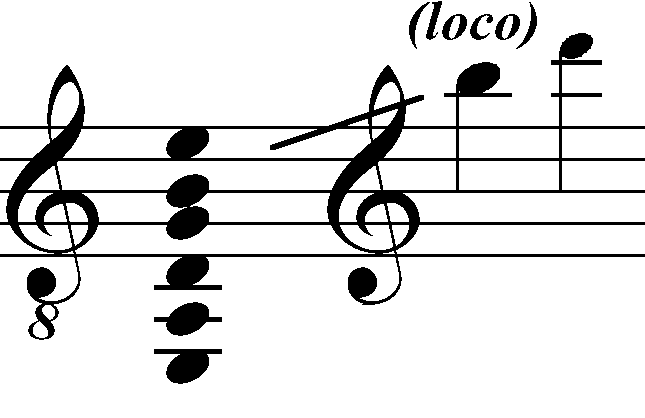
- Common tuning for six-string guitars is standard tuning: E–A–D–G–B–E, which sets the instrument’s reference pitches and facilitates chord shapes and scale patterns; tuning affects pitch and voicing.
- Guitars are central to genres such as classical and flamenco, provide rhythmic and harmonic support in folk and pop, and are a leading voice in rock, blues and jazz.
Notable distinctions and practical considerations
Modern guitars vary in string count, scale length, neck width and electronics. Acoustic instruments rely on body resonance and soundhole design for tonal balance, while electric guitars shape tone with pickups, tone controls and external effects. The choice of materials, construction method and setup (string height, intonation, action) significantly influences playability and perceived quality. For learners, the guitar’s relative accessibility and immediate sound production make it a common first instrument; for professionals, its expressive range supports solo, ensemble and studio roles.
For further reading about basic technique and instrument care, see introductory guides and manufacturer resources, and consult specialized pages on setup, historical development and genre‑specific techniques at authoritative sources: string instruments overview, right-hand technique, plectrum types, classical repertoire, rock guitar, quality and materials, acoustic dynamics, amplification basics, fretting and intonation, tuning systems.
Questions and answers
Q: What are the main parts of a guitar?
A: The main parts of a guitar are the body, the fretboard, the headstock and the strings.
Q: What materials are guitars usually made from?
A: Guitars are usually made from wood or plastic. Their strings are made of steel or nylon.
Q: How is a guitar played?
A: A guitar is played by plucking its strings with either the fingers and fingernails of the right hand (or left hand, for left handed players), or with a small pick made of thin plastic called a "plectrum" or guitar pick. The left hand holds the neck of the guitar while the fingers pluck the strings. Different finger positions on the fretboard make different notes.
Q: Why have guitars been so popular throughout history?
A: Guitars and other plucked string instruments have been very popular throughout history because they are light to carry from place to place, and they are easier to learn to play than many other instruments.
Q: What types of music can be played on a guitar?
A: Guitars can be used for many types of music, from Classical to Rock. Most pieces of popular music that have been written since 1950s have been written with guitars.
Q: Are all traditional types of guitars hollow-bodied?
A: Yes, all traditional types of guitars have a hollow body which makes their sound louder and gives them their quality sound. This type of guitar is called an "acoustic".
Q: How do electric guitars differ from acoustic ones?
A: Electric guitars do not need to have a hollow body because they don't use acoustics to amplify their sound; instead they use electricity and amplifiers to control loudness levels .
Q: How many strings does most standard guitars typically have ?
A: Most standard guitars typically have six strings but there also exist models with four , seven , eight , ten , or twelve strings . More strings make for fuller sounding instrument .
Related articles
Author
AlegsaOnline.com Guitar: structure, history, playing techniques and common types Leandro Alegsa
URL: https://en.alegsaonline.com/art/41332
Sources
- etymonline.com : "Online Etymology Dictionary"
- guyguitars.com : A Brief History of the Guitar
- thejazzfestival.net : thejazzfestival.net
- earlyromanticguitar.com : Early Romantic Guitar