
Great Seal of the United States
Official national emblem used to authenticate U.S. government documents; contains the familiar eagle obverse and a less-seen pyramid reverse with symbolic elements.
Overview
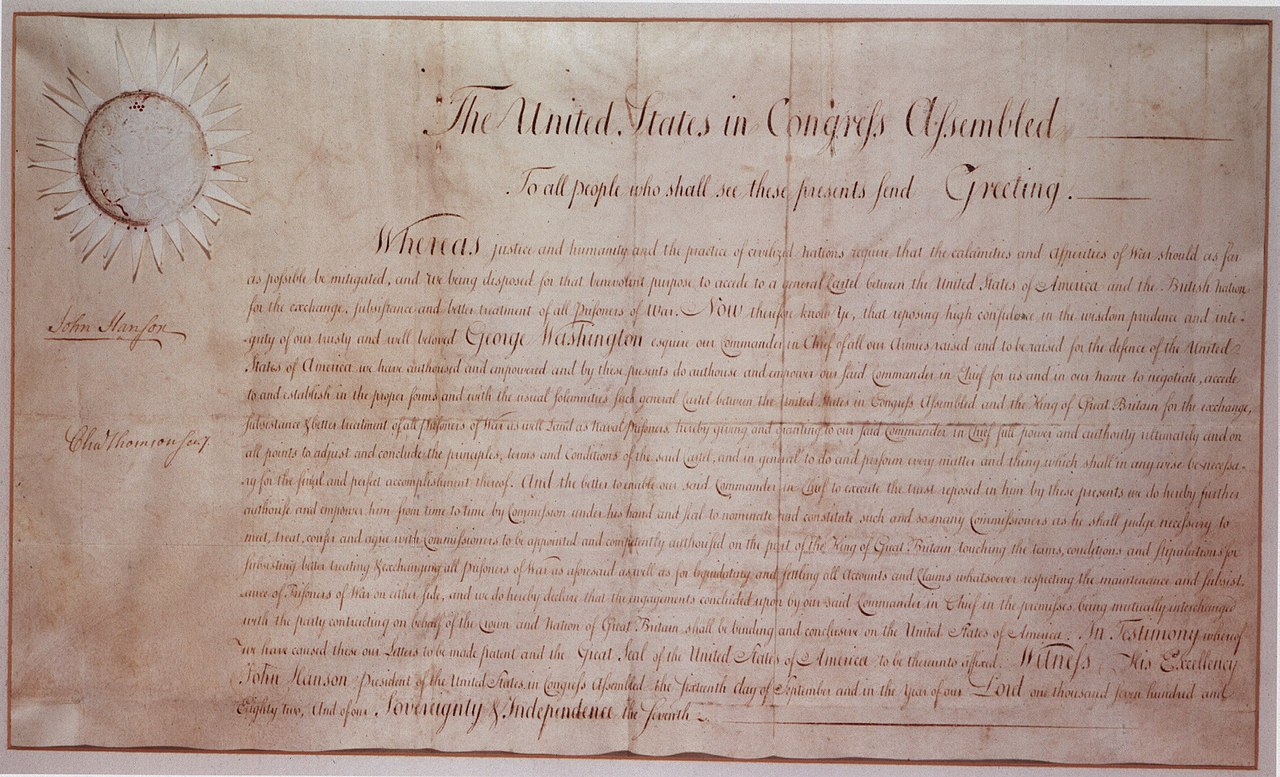
The Great Seal of the United States is the nation's official coat of arms and a formal device used to authenticate important federal instruments issued in the name of the United States. The term "Great Seal" refers both to the graphical design and to the physical matrix used to impress that design on documents. The emblem was finalized and placed into use by the national government in 1782, and its imagery has since become one of the country’s most recognizable symbols.
Image gallery
10 Images



Design and symbolism
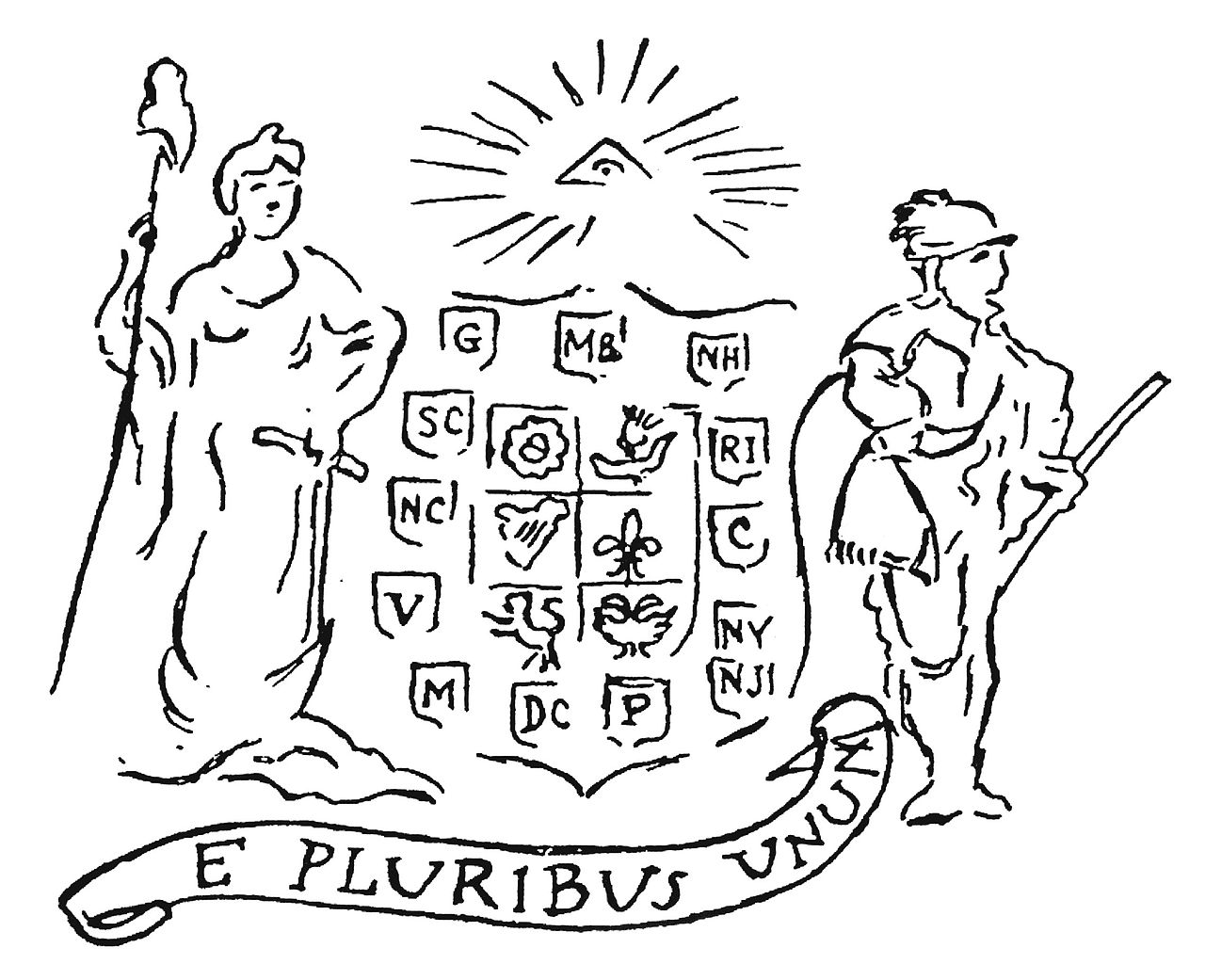
The seal has two principal faces, commonly called the obverse (front) and the reverse. The obverse, which appears on most official reproductions, centers on an American bald eagle supporting a shield and bearing a motto. Typical symbolic meanings include unity, readiness for peace and war, and the origin of the nation.
- Eagle and shield: The eagle holds an olive branch in one talon and a bundle of arrows in the other, representing the choice of peace or defense.
- Motto: A scroll in the eagle’s beak bears the phrase E Pluribus Unum, traditionally understood as expressing union from many states.
- Glory and stars: Above the eagle appears a cluster of thirteen stars within a radiant cloud, signifying the original states.
- Reverse design: The reverse shows an unfinished pyramid topped by the Eye of Providence and a date in Roman numerals, motifs that evoke strength, duration, and providential guidance.
History and development
The device evolved through several committee proposals drawn from leading figures of the Revolutionary era; sketches and suggestions from founders were combined and refined before the current arrangement was adopted by the national legislature in 1782. A later formalization produced engraved matrices for making impressions, and various artists and engravers translated the design into reproductions used by government offices and on printed materials.
Uses and appearances
The Great Seal is reproduced on a range of federal items. It is impressed on certain official documents and appears as a printed emblem on items such as passports, military insignia and unit flags used by the military, and seals of departments and agencies. When stamped on paper the usual impression is monochrome — often rendered in black and white — though colored reproductions follow the national palette for display purposes. The reverse of the seal, rare in official use, was placed on the one dollar bill beginning in 1935, where it appears as part of the printed banknote.
Custody, versions and notable distinctions
The tangible matrix that makes the official impression is under the authority of the federal government and is managed according to established procedures; in practice, authorized reproductions and emblematic uses are issued by or with permission of the relevant department. The graphic obverse is widely used in governmental and ceremonial contexts, while the more allegorical reverse is less common outside of numismatic and commemorative contexts. Simple embossed impressions on paper are considered authenticating marks for many formal papers, but the seal’s image also functions broadly as a national emblem in flags, seals of subunits, and public-facing graphics.
Why it matters
Beyond its practical role in authenticating documents, the Great Seal serves as a compact visual summary of national identity and ideals. Its symbols have been referenced, adapted, and debated in civic education, design, and popular culture, and they continue to be a focal point for understanding how the United States represents itself officially and historically.
Related articles
Author
AlegsaOnline.com Great Seal of the United States Leandro Alegsa
URL: https://en.alegsaonline.com/art/40545