
Greater Bangladesh (political concept relating to the Bengal region)
Greater Bangladesh is a contested political idea proposing closer territorial or cultural unity across the historic Bengal region; it is debated and not an official policy of any state.
Overview
"Greater Bangladesh" is a political and cultural concept that imagines a form of unity or expanded influence across the historic Bengal region. Proponents, critics and commentators use the term in different ways: some describe it as a cultural or linguistic project, while others frame it as a territorial or political ambition. The idea is debated and remains unofficial—more a subject of rhetoric and speculation than a concrete policy.
Image gallery
6 Images



Geographic scope and claims
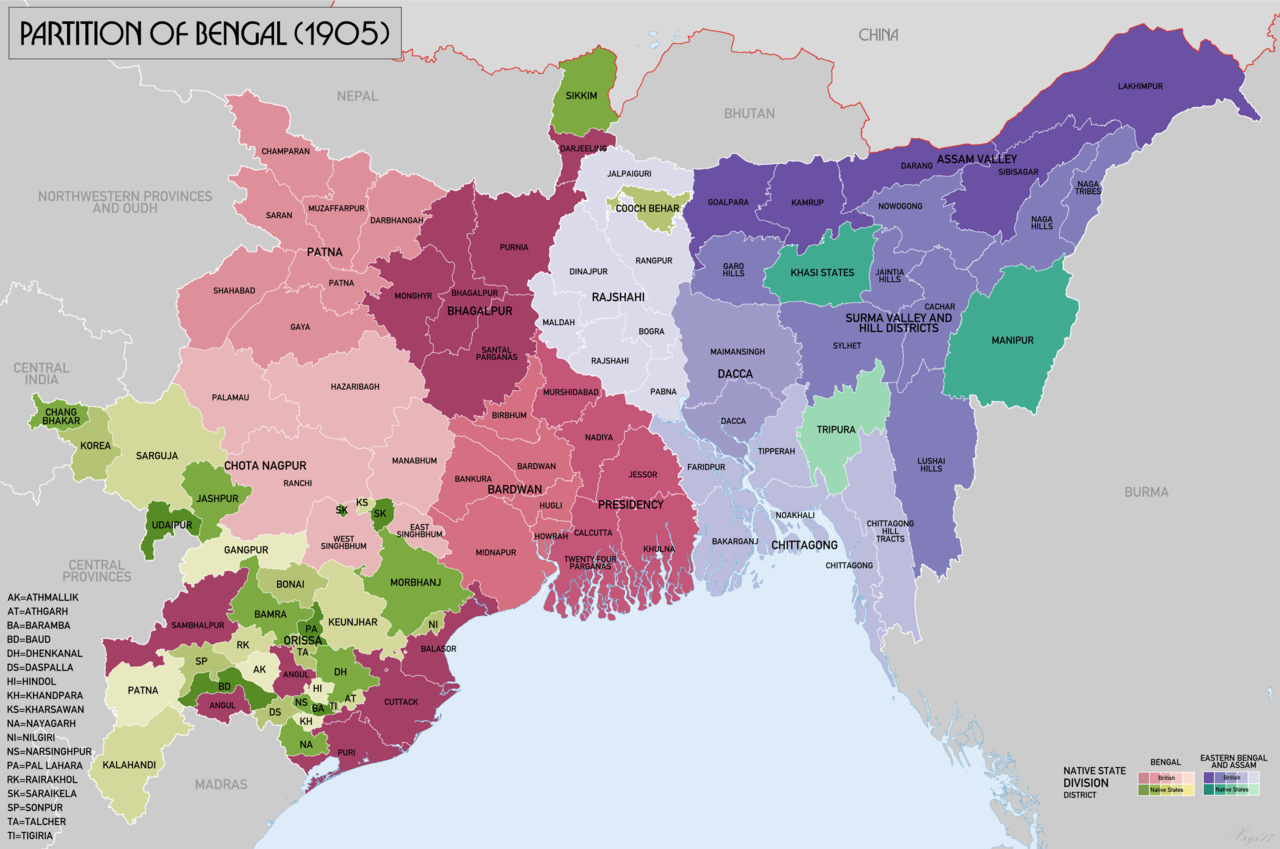
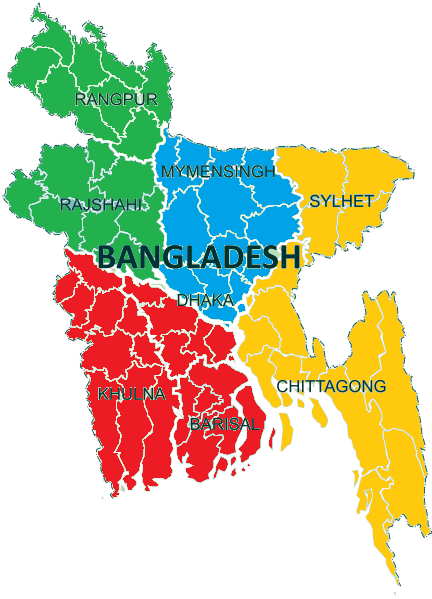
Those who refer to Greater Bangladesh typically point to the contiguous Bengali-speaking and culturally linked areas of the region. This discussion often invokes the modern nation of Bangladesh and the broader territory of Bengal, including parts of Indian states such as West Bengal, Tripura, Meghalaya and sections of Assam. How these areas are described depends on political perspective and the specific argument being made.
History and context
The concept draws on the long shared history of the Bengal region, which was divided by colonial-era and post-colonial borders. Key historical moments include the 1947 partition of British India and the 1971 independence of Bangladesh. Cultural, linguistic and historical ties across borders make the idea resonate for some, while the reality of modern nation-states and international law limits any formal territorial change.
Arguments, uses and criticisms
- Supportive framing: Some cultural advocates emphasize shared language, literature and economic links and call for greater cooperation across borders.
- Political rhetoric: In political debates the term is sometimes used to warn of alleged expansionist aims or demographic change; such claims are often disputed.
- Scholarly caution: Academics and analysts generally treat Greater Bangladesh as a contested label—useful for studying perceptions but not evidence of an active state policy.
Understanding the idea requires distinguishing between cultural affinity, cross-border cooperation and the much stronger claim of deliberate territorial expansion. The phrase figures in media, political speeches and public debate, but it should be interpreted with attention to context and sources.
Notable facts and distinctions
The notion differs from formal proposals for political union: it lacks an organized international movement with agreed objectives and recognized leadership. References to Greater Bangladesh appear in a range of languages and forums; readers should consider whether a given use is descriptive, aspirational, alarmist or analytical.
Related articles
Author
AlegsaOnline.com Greater Bangladesh (political concept relating to the Bengal region) Leandro Alegsa
URL: https://en.alegsaonline.com/art/40576