
Green Card (Permanent Resident Card)
A Green Card is the U.S. identification document showing lawful permanent resident status, allowing long-term residence, work, and a path to citizenship under U.S. immigration law.
Overview
A Green Card, formally known as the Permanent Resident Card, is the primary identity document that demonstrates a non‑citizen's lawful permanent resident (LPR) status in the United States. Holders are authorized to live and work in the U.S. on a long‑term basis. The card is issued by U.S. immigration authorities and is widely used to establish legal status for employment, travel, and benefits.
Image gallery
7 Images


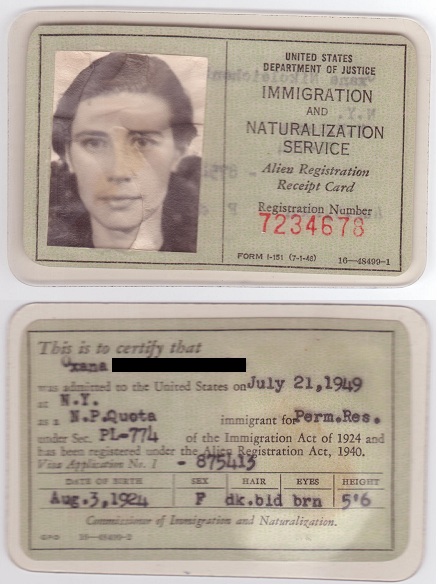

Characteristics and appearance
The physical card includes identifying information such as name, photograph, date of birth and a unique card number. There are two common forms: permanent cards that are typically valid for a number of years and conditional cards issued in specific circumstances. The document serves as official proof of the right to reside and seek employment in the United States.
How status is obtained
There are several routine pathways to obtain permanent resident status. Common categories include family sponsorship, employment-based petitions, refugee or asylee adjustment, and the diversity visa lottery. Each route has its own eligibility criteria, documentation requirements and processing sequence, which are administered by U.S. immigration authorities.
Rights and responsibilities
- Rights: live and work anywhere in the U.S., attend public schools, and petition to bring certain relatives to the U.S.
- Responsibilities: obey laws, file taxes, carry proof of status, and notify authorities of address changes as required.
- Limitations: permanent residents do not possess all rights of citizens, such as voting in federal elections; long or frequent absence from the U.S. can affect status.
Renewal and path to citizenship
Permanent resident cards must be renewed periodically; some cards are conditional and require removal of conditions to obtain a standard card. Many lawful permanent residents are eventually eligible to apply for naturalization and become U.S. citizens after meeting residency, good‑moral character, and other legal requirements. In certain family or marriage‑based situations, conditional status and additional documentation are common.
Notable distinctions and practical tips
Green Card holders should keep a valid card while living in the U.S. and be aware of the difference between lawful permanent resident status and citizenship. Loss, theft or damage of the card can be remedied through replacement procedures. For official guidance, including eligibility criteria and application procedures, consult government resources or an accredited immigration advisor; many find the official portal helpful: official information.
Related articles
Author
AlegsaOnline.com Green Card (Permanent Resident Card) Leandro Alegsa
URL: https://en.alegsaonline.com/art/40662
Sources
- uscis.gov : "Green Card"
- expertlaw.com : "The Green Card and Legal Permanent Residency"