
Green bean (Phaseolus vulgaris): overview, uses, and cultivation
The green bean is the edible immature pod of Phaseolus vulgaris. This article describes varieties, culinary uses, nutrition and safety including lectins, and basic cultivation, storage and preparation tips.
Overview
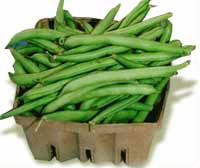
The term green bean refers to the edible, immature pods of the common bean, Phaseolus vulgaris. Botanically the pod is a fruit because it contains seeds, but culinary practice treats it as a vegetable. Green beans are widely cultivated and sold fresh, frozen or canned for year-round use. They are harvested while the seeds inside are still small and the pod is tender, which distinguishes them from dry beans that are left to mature and dry on the plant.
Image gallery
10 Images


Varieties and characteristics
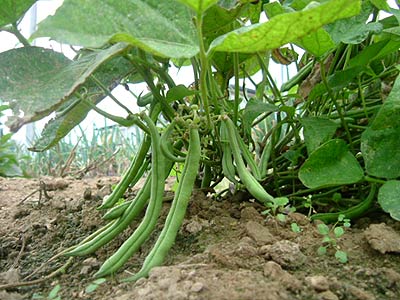
Green beans are available in many cultivars selected for growth habit and pod traits. Two main growth habits are bush types, which mature in a relatively short period without support, and pole (or vining) types, which require trellising but produce over a longer season. Pods vary in color—most commonly green but also yellow (often called wax beans) or purple—and in length, thickness and tenderness. Some cultivars are bred to be stringless, and others are selected for particularly tender pods. The term "snap bean" is commonly used for varieties eaten whole, in contrast to shelling beans where seeds are removed before eating.
Culinary uses
Green beans are versatile in cooking and are used in many cuisines around the world. Typical cooking methods include boiling or blanching to soften and retain bright color, stir-frying for a crisp-tender texture, deep frying when coated in batter such as in some fritter or tempura preparations, and slow cooking in stews and casseroles. In the United States, a baked creamy casserole combining beans with mushrooms, cream and a fried-onion topping is a well-known holiday dish that highlights the vegetable in a rich preparation; see sources describing American casserole recipes that include mushrooms, fried onions and cream. In East Asian cuisines, green beans are commonly stir-fried with garlic and fermented condiments such as douchi, while in Japanese cooking some preparations coat beans and fry them as tempura.
Cooking tips
To preserve texture and color, many cooks blanch beans briefly in boiling water then plunge them into cold water (an "ice bath") to stop cooking. Avoid prolonged cooking if you prefer a crisp-tender bite; simmering until very soft is also traditional in some dishes. Canned beans are already cooked and are convenient, while frozen beans are often blanched before freezing and keep more of their fresh texture than canned products.
Nutrition and safety
Green beans are a low-calorie component of a balanced diet and provide dietary fiber along with various vitamins and minerals. Like many legumes, raw green beans contain lectins—naturally occurring proteins that in large amounts can cause digestive upset. Proper cooking, such as thorough boiling or steaming, reduces lectin activity and makes green beans safe to eat. Commercially canned and properly frozen products are processed to achieve the same effect. As with all foods, people with specific allergies or sensitivities should consult dietary guidance relevant to their health.
Storage and preservation
Fresh green beans keep best when stored unwashed in the refrigerator and used within a few days for peak quality. For longer-term storage, blanching and freezing preserves color and texture; canned beans are shelf-stable and convenient though softer. When preserving at home, follow tested methods from reliable food-safety sources for blanching and freezing or canning.
Cultivation and gardening
Green beans are commonly recommended for home gardens because they grow readily in temperate climates. They perform well in full sun with well-drained soil. Bush varieties require no support and give a concentrated harvest, while pole varieties benefit from trellising and provide a longer harvest period. Regular harvesting of tender pods encourages continued production. Gardeners should rotate beans with other crops, monitor for common pests such as beetles and aphids, and manage diseases with good spacing and sanitation practices.
History and cultural significance
The common bean has its origins in the Americas and became globally widespread after exchange with other continents. Over time, regional selection produced many cultivars adapted to local tastes and growing conditions, contributing to the variety of green beans available in markets worldwide. Green beans appear in traditional and modern cuisines, reflecting both simple everyday preparations and more elaborate regional dishes.
For practical step-by-step instructions on preparation, storage and recipes, consult reputable cooking and gardening resources or guides that provide tested methods and safety advice.
Questions and answers
Q: What are green beans?
A: Green beans are a vegetable that is the fruit of cultivars of the common bean, Phaseolus vulgaris.
Q: How are green beans sold?
A: Green beans are sold fresh, frozen, or canned.
Q: What are some ways to cook green beans?
A: Green beans can be cooked by steaming, boiling, stir-frying, deep-frying, or in casseroles.
Q: What are some dishes that feature green beans?
A: In the United States, green beans are sometimes served in casserole with mushrooms, fried onions, and cream. In Chinese cuisine, they are often stir-fried with garlic and douchi (fermented black soybeans), and in Japanese cuisine, they are served as tempura.
Q: Are green beans safe to eat?
A: Green beans contain lectins that can make them harmful if a person eats too many raw or improperly cooked ones.
Q: What is the scientific name for green beans?
A: The scientific name for green beans is Phaseolus vulgaris.
Q: Can green beans be eaten raw?
A: It is not recommended to eat raw green beans as they contain harmful lectins. They should be properly cooked before consumption.
Related articles
Author
AlegsaOnline.com Green bean (Phaseolus vulgaris): overview, uses, and cultivation Leandro Alegsa
URL: https://en.alegsaonline.com/art/40660