
Grafting (plant propagation technique)
Grafting is a horticultural method that joins tissues of two plants so they grow as one, used to propagate clones, combine desirable traits, and repair or modify woody plants.
Overview
Grafting is a vegetative propagation technique in which tissues from one plant are placed in intimate contact with those of another so the two grow together and function as a single plant. Practitioners commonly use the terms scion (the upper shoot system that determines fruit or flowers) and rootstock (the below‑ground portion that supplies roots and influences vigor). It is widely used in horticulture and is a form of vegetative reproduction.
Image gallery
10 Images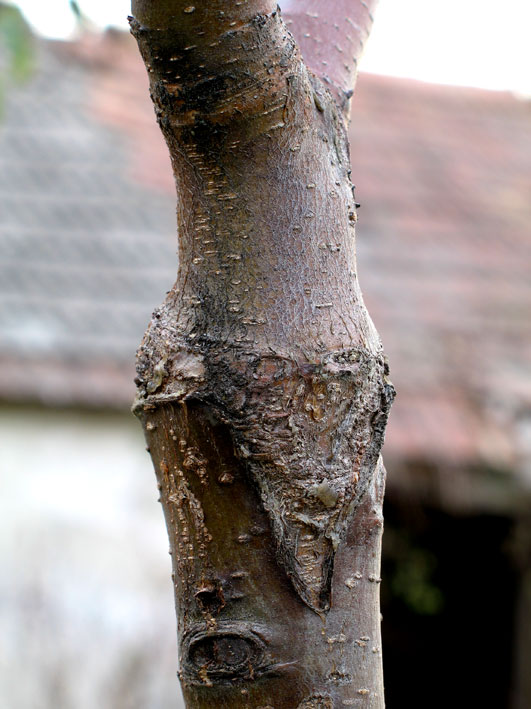


How grafting works
Successful grafting depends on the alignment and union of the vascular cambium, the thin layer of dividing cells between wood and bark that produces secondary xylem and phloem. When the cambial layers of scion and rootstock are held in close contact, they can form new vascular connections that allow water, nutrients and signalling compounds to move between the tissues. Compatibility between partners is important: grafting generally works in many dicots and in gymnosperms but not in monocots, which lack a continuous cambium.
Common methods
- Whip-and-tongue and splice grafts: used for young, similar-sized stems.
- Cleft grafts: attach a small scion to a larger rootstock, common for fruit trees.
- Budding (T‑bud, chip bud): a single bud from the scion is inserted into the rootstock; frequently used with roses and fruit trees.
- Approach graft and side graft: used when both parts must remain attached during union.
History and development
Grafting is an ancient practice with records and references from multiple civilizations; it has been refined over centuries to improve success rates and combine desirable traits. Modern horticulture and tree fruit industries rely on refined rootstock breeding and standardized grafting techniques to control size, disease resistance and adaptability.
Uses, examples and importance
Grafting is used to propagate exact clones of prized varieties, hasten fruiting, control tree size (dwarfing rootstocks), impart disease or pest resistance, repair damaged trees, and create multi‑varietal specimens on a single trunk. Typical examples include many fruit trees such as apples, pears and stone fruits, grapevines grafted to resist phylloxera, and ornamental roses. Nurseries and gardeners choose rootstocks to match soil, climate and management goals.
Limitations, care and notable facts
Failures can result from poor cambial contact, infection, inappropriate timing, or genetic incompatibility. Grafts can transmit viruses and other pathogens, so sanitation and certified material matter. While grafting joins tissues rather than mixing genetic material, it can produce chimeric growth where cells of both partners appear in the same organ. Proper aftercare — protection from desiccation, pest control and gradual release of support — improves long‑term success.
For practical guidance on techniques, timing and rootstock selection consult horticultural manuals or extension services: many resources and step‑by‑step instructions are available from professional and educational organizations (dicot grafting notes, conifer grafting references, and specialized tutorials on cambial alignment). Additional background and cultivar specifics can be found in general horticulture texts and propagation guides covering vegetative methods.
Note: The anchor points above reference general topics and guides rather than individual commercial sources; for local recommendations seek regionally focused advice.
Related articles
Author
AlegsaOnline.com Grafting (plant propagation technique) Leandro Alegsa
URL: https://en.alegsaonline.com/art/40084