
Gujarati people (Gujaratis)
Ethnolinguistic group from Gujarat, India, speaking Gujarati and known for commerce, distinctive cuisine, festivals like Navratri, a broad diaspora, and varied religious and regional traditions.
Overview
The Gujarati people, often called Gujaratis, are an ethnolinguistic community associated with the state of Gujarat in western India. The term commonly denotes those who speak the Gujarati language and who trace familial roots or cultural ties to the region. Gujarati identity blends language, regional customs and a shared historical connection to the coastal and inland areas of Gujarat.
Image gallery
10 Images



Language and social characteristics
Gujarati is an Indo-Aryan language with its own script and a range of dialects found across the state and among migrant communities. Socially, Gujaratis include many religious traditions — predominantly Hindu, with sizable Jain, Muslim, Parsi and Christian communities — and numerous caste and occupational groups. Local subregions such as Kutch, Saurashtra and Kathiawar have distinct dialects, dress styles and customary practices.
History and development
The region now called Gujarat has a long history of settlement and maritime trade, which shaped its culture and economy. Over centuries, coastal ports and inland trade routes linked Gujarati merchants to other parts of South Asia, the Arabian Sea and beyond. This commercial orientation contributed to the growth of mercantile communities and a reputation for entrepreneurship that persists today.
Culture, festivals and cuisine
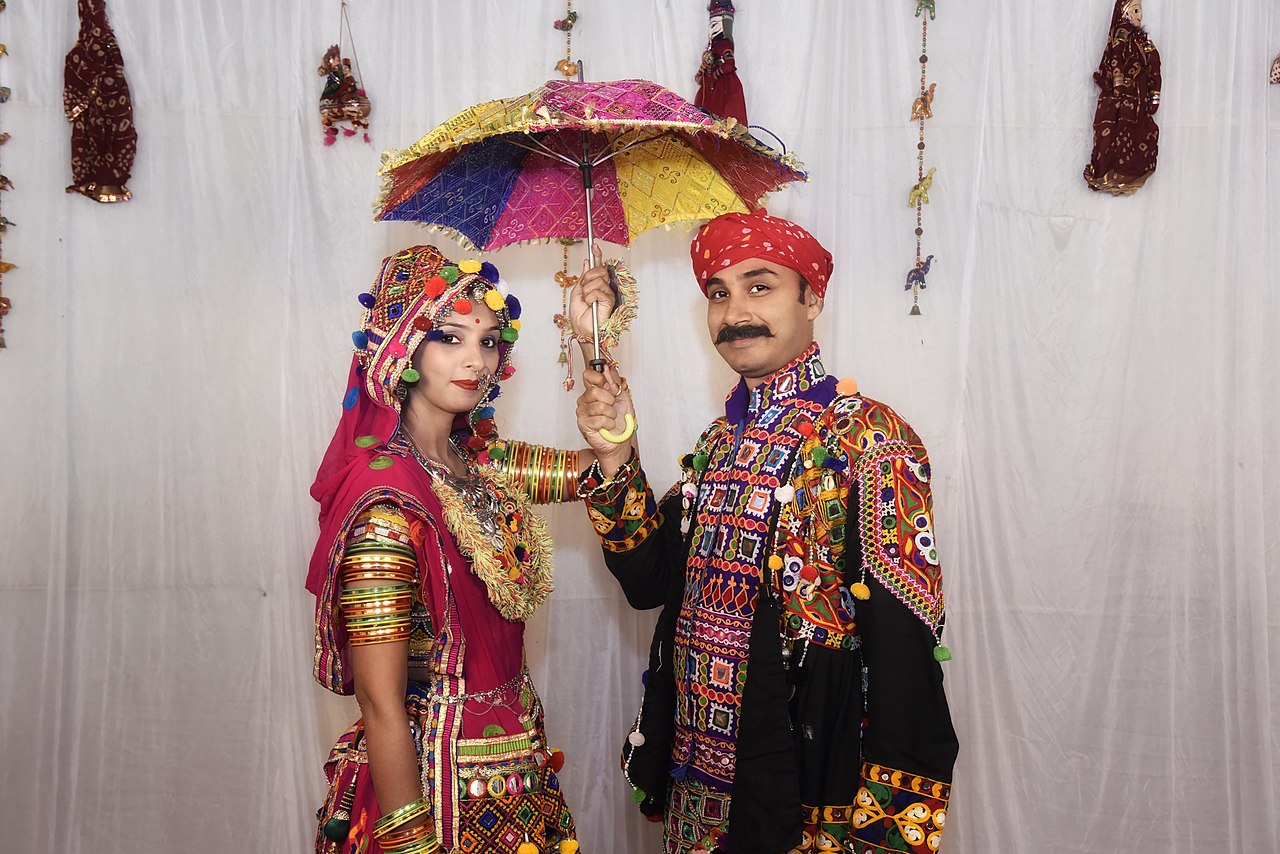
Gujarati culture is notable for vibrant folk music and dance, especially garba and dandiya performed during Navratri. Major festivals include Navratri, Diwali and the kite festival Uttarayan. Cuisine often emphasizes vegetarian dishes, distinctive snacks and a balance of sweet and savory flavors; popular items include dhokla, thepla and mixed seasonal preparations. Traditional dress ranges from the chaniya choli and sari for women to kediyu and traditional shirts for men in some communities.
Modern diaspora and contributions
Many Gujaratis have migrated widely, establishing significant communities in East Africa, the United Kingdom, North America, Canada and the Middle East. Diaspora Gujaratis maintain language and customs while contributing to commerce, professional sectors and politics in their adopted countries. Notable historical figures originating from Gujarat have had national and international influence.
Identity and distinctions
“Gujarati” can refer to language speakers, regional natives, or those with ancestral links; these categories overlap but are not identical. Within Gujarat, regional identities, religious affiliations and caste or occupational backgrounds create a mosaic of cultural variation. Scholars and community members often distinguish between linguistic identity and broader social or diasporic definitions of what it means to be Gujarati. For more on regional culture and migration patterns, see related resources: ancestry and migration, administrative region.
Related articles
Author
AlegsaOnline.com Gujarati people (Gujaratis) Leandro Alegsa
URL: https://en.alegsaonline.com/art/41343
Sources
- ethnologue.com : Languages of India
- books.google.com : "Williams on South Asian Religions and Immigration By Raymond Brady Williams"