
Griot (Jeli): West African oral historian, musician, and storyteller
Griot (also jeli) refers to a hereditary West African oral specialist who preserves history, genealogy, music and social memory through storytelling, song, and public speech.
The term griot (often called jeli in Mande languages) designates a class of West African oral specialists who combine memory, music, and public communication. Griots preserve and transmit local histories, genealogies, proverbs, ceremonial songs and political commentary. Their work is primarily oral: performance and memory sustain community knowledge across generations.
Image gallery
10 Images


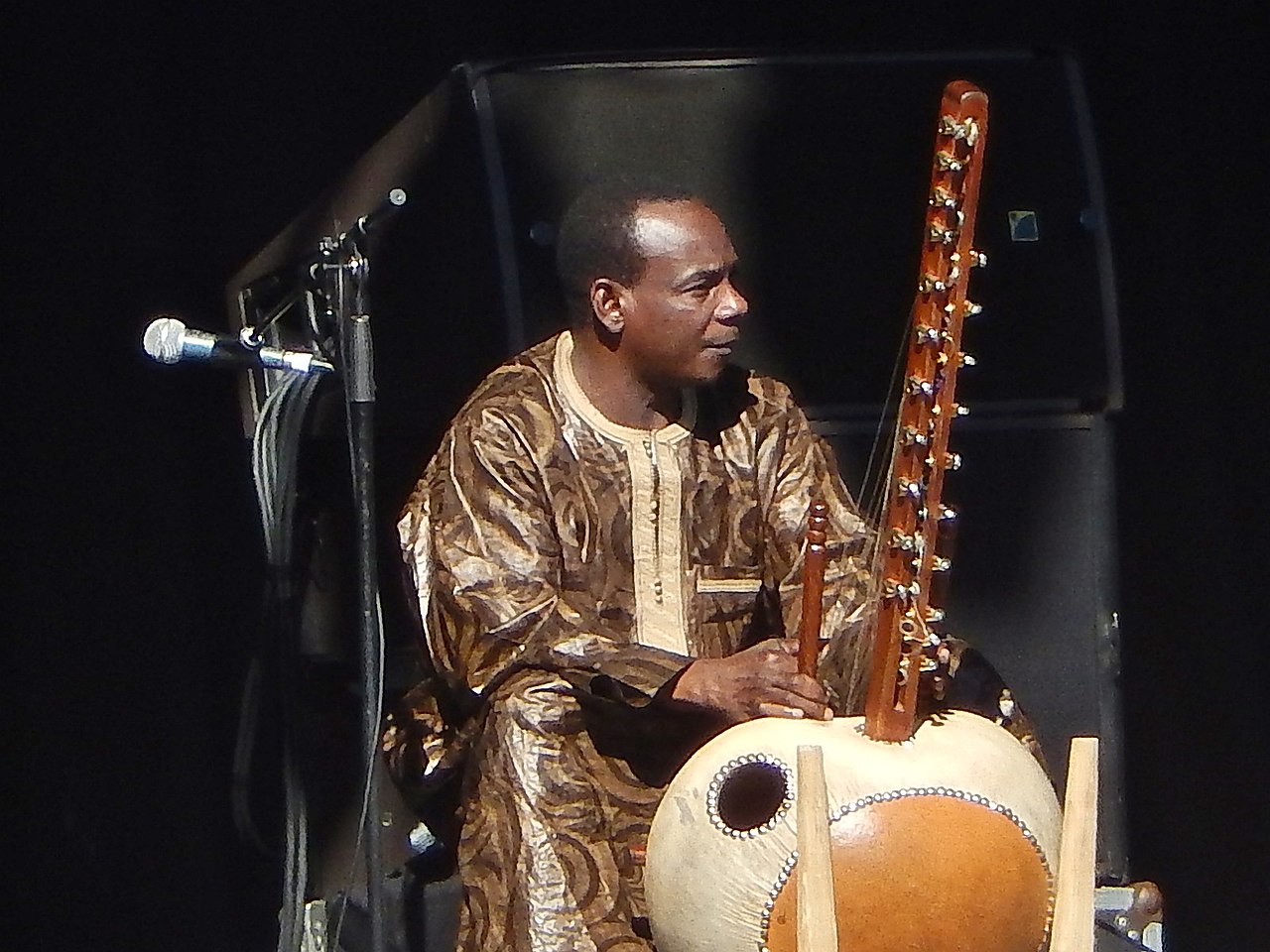


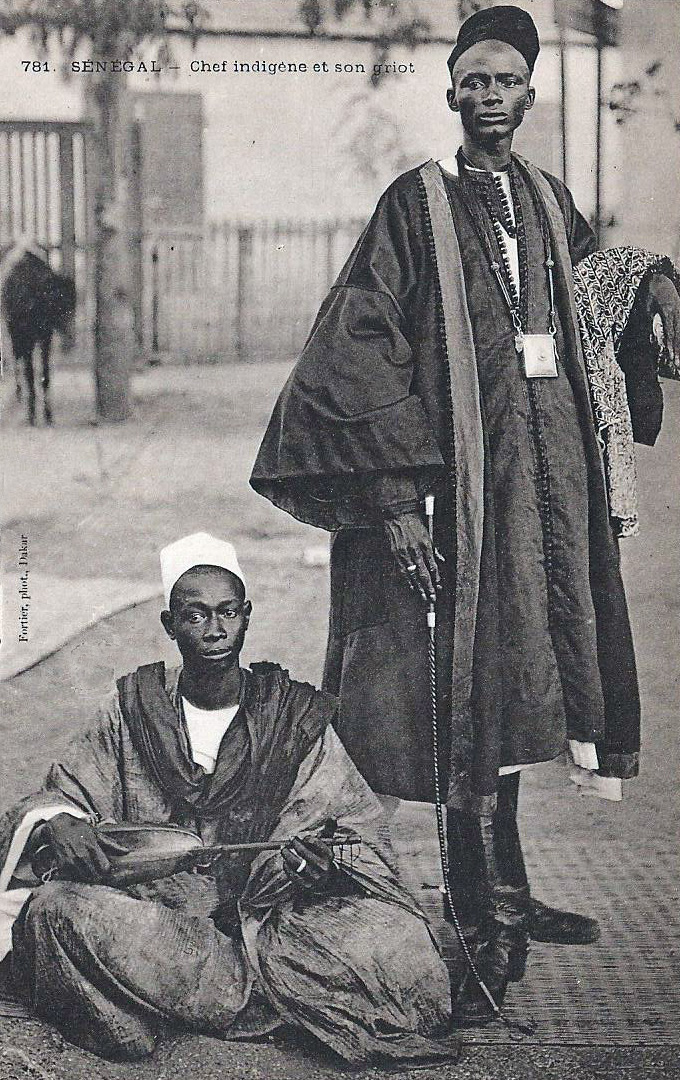
Core roles and functions
Griots perform a wide range of interrelated tasks within their societies. Typical roles include:
- historian — keeping and recounting past events and the deeds of leaders;
- storyteller — relating folktales, myths and moral narratives;
- musician — singing and playing traditional instruments in ceremonies;
- genealogist — maintaining family trees and clan lineages;
- spokesperson — representing families or patrons at public events;
- teacher — instructing apprentices in repertoire and technique.
Origins and historical development
Griot practice is centered in the Sahel and West African regions associated with Mandé-speaking peoples but appears across many ethnic groups. The institution developed alongside centralized political authorities where memory and persuasion were politically valuable. Griots traditionally inherit their role within families and train younger members through long apprenticeships; the content they keep is communal rather than private.
Performance, instruments and style
Performance often pairs vocal narrative with instruments such as the kora, balafon, ngoni and other lutes or xylophones, depending on local practice. Songs can praise patrons, instruct listeners, mediate disputes, or mark life-cycle events like births, marriages and funerals. The style ranges from intimate recitation to highly amplified public performance; contemporary griots also appear on recordings and in radio and television.
Social status, gender and change
Griots occupy ambiguous social positions: they are respected for their knowledge yet often considered socially distinct because of hereditary status and specialized work. Both men and women serve as griots, though some repertoires or instruments are gendered in particular cultures. Urbanization, mass media and modern politics have transformed how griots work: some continue traditional roles, others adapt as professional musicians, journalists or cultural ambassadors.
Notable distinctions and facts
The words griot and jeli are sometimes used interchangeably but can imply different linguistic and cultural nuances. Not every individual labeled a griot performs every function listed above; instead, communities rely on networks of specialists. For illustrations and audio-visual examples of griot practice, see curated resources and ethnomusicology collections (examples).
Questions and answers
Q: What is a Griot or Jeli?
A: A Griot or Jeli is a historian, storyteller, musician, genealogist, spokesperson, diplomat, teacher, praise-singer and more, originating from West Africa.
Q: Is there any word in the English language that fully explains what a Griot does?
A: No, there is really no word in the English language that fully explains what a Griot does.
Q: Does every Griot perform all of these functions?
A: No, not every Griot performs all of these functions, but these are some examples of what their function is.
Q: What is the role of a Griot?
A: The role of a Griot is multifaceted, encompassing aspects of history, storytelling, music, genealogy, diplomacy, teaching, and praise-singing.
Q: Where do Griots or Jelis originate from?
A: Griots or Jelis originate from West Africa.
Q: Which types of social positions do Griots occupy?
A: Griots occupy a variety of social positions, including historian, musician, genealogist, spokesperson, diplomat, teacher, and praise-singer.
Q: What are some examples of the Griot's function?
A: Some examples of the Griot's function include their roles as historians, storytellers, musicians, genealogists, diplomats, teachers, and praise-singers.
Related articles
Author
AlegsaOnline.com Griot (Jeli): West African oral historian, musician, and storyteller Leandro Alegsa
URL: https://en.alegsaonline.com/art/40961
Sources
- oxforddictionaries.com : "imbongi"
- bucknell.edu : "What is a Griot?"