
Great Expectations
Charles Dickens's Great Expectations is a 19th-century bildungsroman that follows the orphan Pip through social ambition, moral growth, and surprising reversals of fortune set between the Kent marshes and London.
Overview
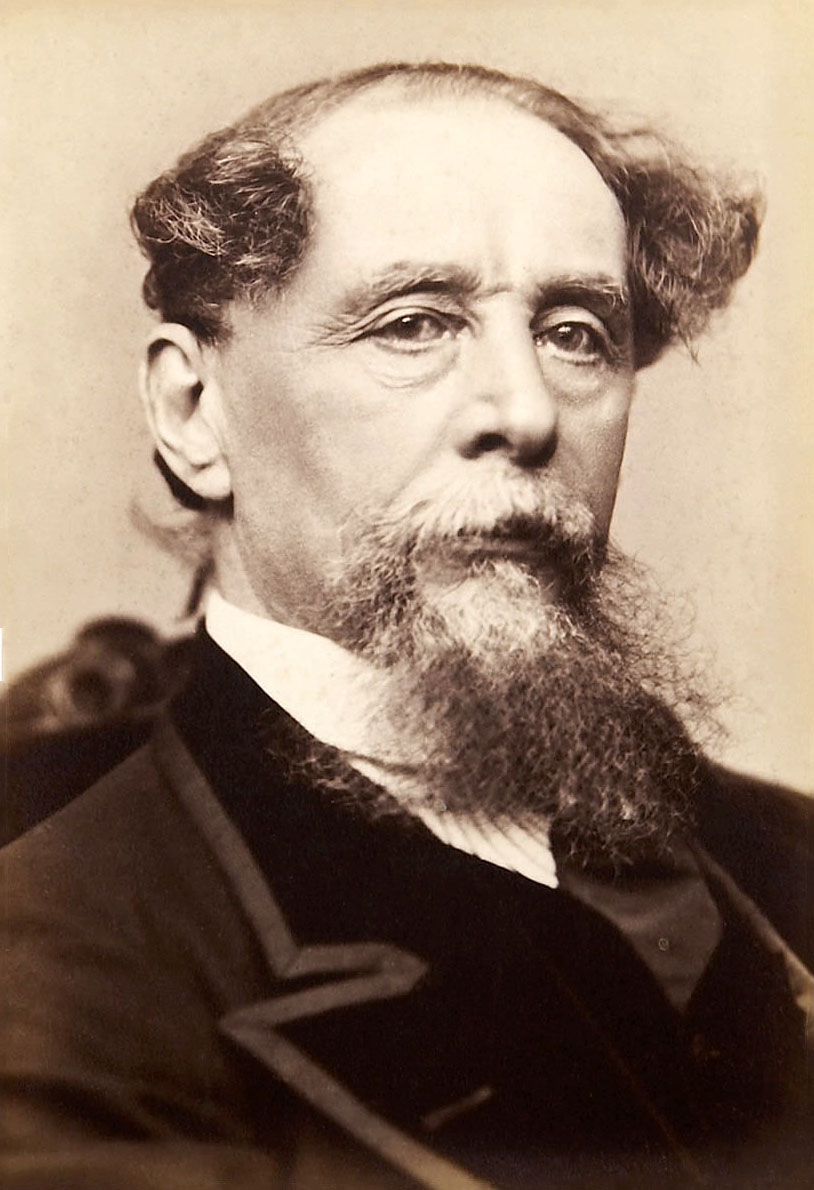
Great Expectations is a novel by Charles Dickens that charts the moral and psychological development of an orphan boy known as Pip. Written and first issued in serial form in the early 1860s, the book is a classic example of the Victorian bildungsroman: it follows its hero from childhood into maturity while examining social class, personal responsibility, and the effects of wealth and rejection. The narrative is told in the first person and combines Gothic imagery with comic episodes and realistic social observation.
Image gallery
10 Images





Plot and structure
The story opens in the marshes of Kent and later moves to London. A frightened child, Philip Pirrip (nicknamed Pip), encounters an escaped convict on the marshes; this early episode sets a tone of menace and moral testing. Pip is raised by his sister and her husband, learns basic trade at Joe the blacksmith's forge, and becomes entangled with the wealthy and eccentric Miss Havisham and her adopted ward, Estella. As a young man Pip receives a sudden promise of wealth from an anonymous benefactor that enables him to go to London and assume the hopes and pretensions of a gentleman. The novel unfolds in stages—childhood, education in aspiration, and a later reckoning in which the sources and consequences of Pip's "great expectations" are revealed, often to his surprise.
Main characters
- Pip — the protagonist whose growth and moral struggles form the novel's center; readers encounter his memories and self-judgments in the first-person narration. Pip
- Abel Magwitch — an escaped convict whose role becomes central to the plot when his connection to Pip is later disclosed. Magwitch
- Miss Havisham — a reclusive, jilted woman who preserves herself and her house in a stopped moment of time and directs Estella's upbringing.
- Estella — raised to be beautiful and emotionally aloof; she becomes the object of Pip's affection and a test of his character.
- Joe Gargery and Herbert Pocket — figures who represent decency, loyalty, and alternative models of masculinity and friendship.
Themes and style
Great Expectations interweaves moral inquiry with social critique. Prominent themes include social mobility and its illusions, guilt and atonement, the corrupting or clarifying influence of money, and the tension between true gentility and social pretence. Dickens employs vivid, sometimes grotesque imagery—decaying houses, prison hulks, marsh landscapes—to reinforce psychological states and social conditions. The novel mixes melodramatic incidents with quieter, ironic observation, and its tone shifts from comic to tragic and back again.
Publication, reception, and variations
Published serially in Dickens's periodical and then issued in book form, Great Expectations was widely read on appearance and has retained continuous critical attention. Dickens thought highly of the novel, and contemporaries praised its invention and characterisation. Notably, two different endings exist: Dickens revised the original conclusion after responses from friends and readers, producing an alternative that alters the novel's final note. The existence of these endings has invited discussion about authorial intent and narrative closure.
Adaptations and legacy
The novel has been translated into many languages and adapted repeatedly for stage, cinema, radio, and television. Its characters and scenes—Miss Havisham's wedding room, the convict on the marshes, Pip's moral awakening—have entered popular and literary imagination. Great Expectations continues to be taught in schools and universities and remains a key work for understanding Victorian fiction, social history, and the moral complexities of growing up.
Further reading and resources can be found via general bibliographic guides and specialist studies of Dickens's life and work; for primary texts and annotated editions consult standard scholarly collections and library holdings. For online resources and general information see the linked references: author biography and works, regional background for Kent, historical London contexts at London studies, a character entry for Pip, and archival notes on Magwitch.
Related articles
Author
AlegsaOnline.com Great Expectations Leandro Alegsa
URL: https://en.alegsaonline.com/art/40496
Sources
- dickens.ucsc.edu : "Was Dickens Really Paid By the Word?"
- laboratoires.univ-reunion.fr : "The Grotesque and Tragicomedy in Dickens' Great Expectations"
- www2.le.ac.uk : "Dickens Bookmarks 12 - Great Expectations"