
Grimoire: the Manual of Magical Practice — history, form, and uses
An overview of the grimoire as a manual of magic: meaning, typical contents, historical development, cultural role, and how it differs from scripture or personal journals.
Overview
A grimoire is a book of instructions for magical practice, ritual technique, and the preparation of charms, talismans, or invocations. Traditionally associated with European occult and folk traditions, the term now covers a wide range of writings used by practitioners of ceremonial magic, folk magic, and some forms of contemporary paganism. The word itself is etymologically linked to the older term for learning and books: it developed from words for grammar and instruction, and became specialized to mean a manual of secret arts.
Image gallery
7 Images


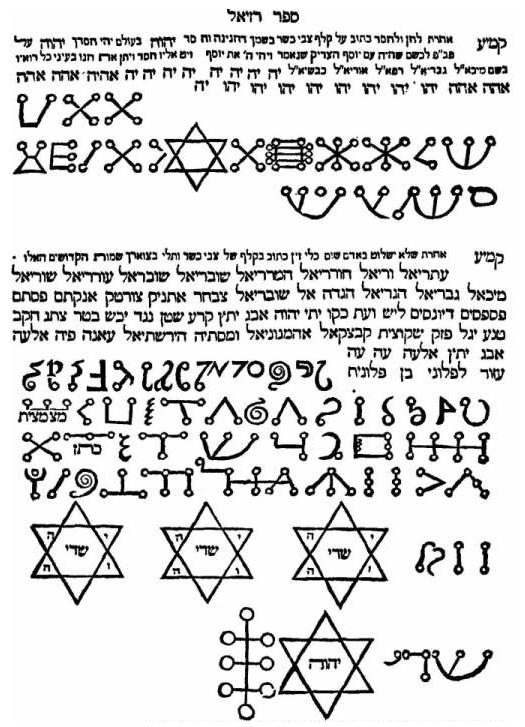

Contents and typical structure
Grimoires vary in scope and style, but many share common elements. They are practical manuals rather than unified theological works, often compiled to support rituals or to record tested formulas. Typical contents include:
- Lists of spirits, angels, or powers together with their names and seals;
- Step-by-step ritual procedures, prayers, and conjurations;
- Recipes for oils, powders, inks, or incense and instructions for preparing tools;
- Astrological tables, timing rules, and correspondences connecting planets, days, and colors;
- Diagrams, sigils, and protective symbols used during ceremonies.
Physical form ranges from handwritten notebooks and manuscript codices to printed manuals. Many grimoires include marginal notes and personal annotations that transform a standard text into a working practitioner's handbook.
History and development
The idea of a written manual for ritual knowledge appears across cultures, but the Western grimoire tradition emerged in the medieval and early modern periods when books of learned techniques circulated among clerics, healers, and magi. Over time, some texts were adapted, copied, and compiled into collections that became known as grimoires. The printing press and later occult revivals brought previously rare manuals to a wider readership, and 19th–20th century occult movements further reshaped and republished many classic titles.
Uses, examples, and modern significance
Practitioners have used grimoires for constructing rituals, invoking or binding entities, and creating protective objects. In contemporary contexts many people treat grimoires either as historical documents, as templates to be adapted, or as devotional and liturgical books. In Neopagan paths such as Wicca, a personal ritual diary is often called a Book of Shadows, which serves a similar function to a grimoire though it typically emphasizes ethical practice and personal experience. Published examples and historically famous titles have entered popular culture and inspired fictional portrayals of magic.
Distinctions and notable facts
Grimoires are best understood as practical manuals distinct from sacred scripture or purely literary works. They can be communal—shared texts used by many—or highly personal, altered by successive owners' notes. Because they deal with hidden knowledge and power, grimoires have long been controversial: they were sometimes condemned by religious authorities and were also objects of curiosity for collectors and scholars. Modern scholarship approaches them as windows into how people combined textual learning, ritual practice, and everyday belief.
For further introduction and examples, see manuscript and printed studies on magical texts and related traditions in folk witchcraft, ceremonial schools, and academic overviews of the history of magic manuscripts. Many readers consult both historical reproductions and contemporary practitioner guides to understand the evolution and uses of grimoires.
Related articles
Author
AlegsaOnline.com Grimoire: the Manual of Magical Practice — history, form, and uses Leandro Alegsa
URL: https://en.alegsaonline.com/art/40945