
Harlem Renaissance: African-American Cultural Awakening of the 1920s–1930s
Cultural, literary, musical and artistic movement centered in Harlem after World War I; promoted racial pride, new aesthetic forms and influenced later civil rights and artistic movements.
Overview
The Harlem Renaissance was a broad and influential cultural movement centered in Harlem, New York, that flourished during the 1920s and into the early 1930s. It brought renewed attention to African-American literature, music, visual art and philosophical debate. Participants sought to assert dignity, creative autonomy and a public identity that countered prevailing racist stereotypes. The movement combined artistic innovation with social critique and contributed to new national conversations about race, citizenship and culture.
Image gallery
10 Images




Origins and historical context
The movement emerged after World War I and during the Great Migration, a period when many African Americans relocated from the rural South to northern cities. Intellectuals and artists reacted to experiences that reached back beyond the Civil War and the era of slavery, drawing on both African heritage and contemporary urban life. The 1925 anthology edited by Alain Locke, titled The New Negro, popularized the idea of a self-confident "New Negro" who demanded respect and recognition. The use of the term Renaissance—literally a "rebirth"—linked the movement to earlier cultural revivals in Europe while stressing its distinctly African-American character.
Cultural expressions
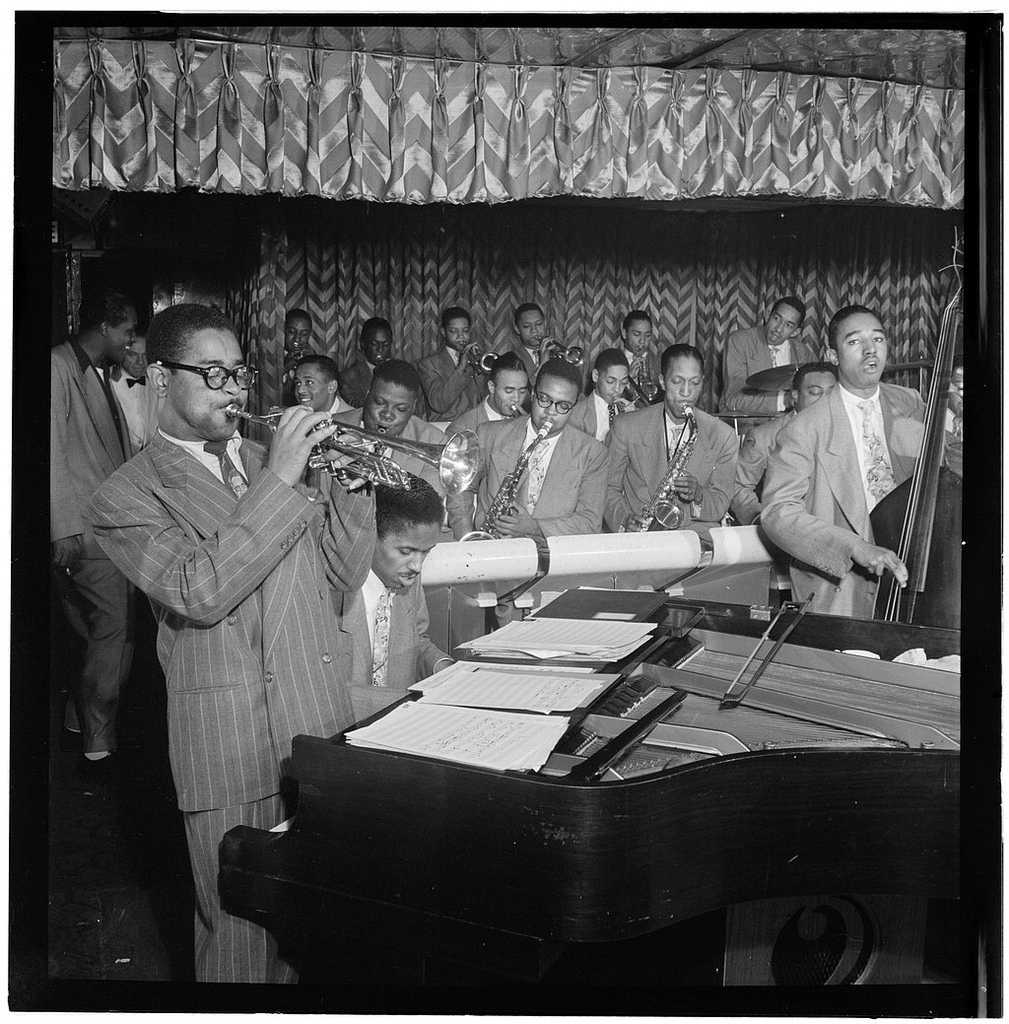
The Harlem Renaissance encompassed multiple expressive forms. In literature, poets, novelists and playwrights experimented with modernist techniques while exploring themes of racial pride, migration, urban life and folk traditions. Jazz and blues, performed in nightclubs and theaters, gained national prominence and reshaped American popular music. Visual artists combined modernist aesthetics with African motifs and imagery. Theater and performance, including spoken word and musical revues, were important venues for presenting new ideas about identity.
Major figures and representative works
- Writers: Langston Hughes, Zora Neale Hurston, Claude McKay, Jean Toomer, Countee Cullen—poets, novelists and dramatists whose work explored racial experience and innovation in form.
- Musicians: Duke Ellington, Louis Armstrong, Bessie Smith—performers and composers who carried jazz and blues into mainstream attention.
- Visual artists and critics: Aaron Douglas and others who integrated African-derived imagery into modern art; Alain Locke as an influential critic and editor.
- Publications and platforms: Anthologies, magazines and newspapers helped circulate work and debate ideas; periodicals were crucial for networking and exposure.
Institutions, venues and networks
Harlem served as a practical hub where publishers, salons, clubs and community organizations intersected. Nightclubs and ballrooms offered stages for jazz and dance, while literary salons and African-American newspapers and magazines provided forums for debate and publication. Though the movement is often associated with a neighborhood, similar cultural activity occurred in other cities, linked by national networks of artists and institutions.
Social and political dimensions
Many participants combined artistic goals with political aims. They debated strategies for racial uplift, the role of protest versus artistic autonomy, and tensions of class, gender and color within African-American communities. Some critics urged art to serve activism; others defended experimentation as a route to dignity and societal change. The movement helped shift public perceptions and gave voice to demands for civil equality.
Decline and legacy
The onset of the Great Depression and changing political and economic circumstances reduced patronage and dispersed many artists, bringing the most intense phase to an end by the late 1930s. Nevertheless, the Harlem Renaissance left a lasting legacy: it broadened recognition of Black cultural achievement, influenced later literary and musical developments, and provided resources—intellectual, institutional and aesthetic—that later civil rights and Black cultural movements would draw upon. Its complex debates about identity, representation and the relationship between art and politics remain subjects of study and inspiration.
Further reading and resources
For introductions and detailed studies, readers can consult anthologies, critical histories and collections of primary texts that document the period and its range of voices. Scholarly and popular accounts continue to reassess the movement’s diversity and its enduring contributions to American culture.
African-American literature | Philosophy and critique | Music and performance | Harlem | New York | World War I | Alain Locke | Civil War | Slavery | Renaissance | Europe
Questions and answers
Q: What is the Harlem Renaissance?
A: The Harlem Renaissance is a movement in African-American culture that occurred during the 1920s and 1930s. It had a big influence on African-American literature, philosophy and music.
Q: Where did the movement begin?
A: The movement began in Harlem, New York after World War I.
Q: What was the book published in 1925 called?
A: The book published in 1925 was called "The New Negro", edited by Alain Locke.
Q: What was the purpose of this book?
A: This book was a collection of writing by African-Americans which looked at their people's lives experiences since the Civil War.
Q: How did this movement affect thinking among African-American writers and artists?
A: This movement challenged the thinking of many white Americans towards black Americans, refused to be treated as if they were not equal, and refused to just copy the sorts of writing, art and music that white Americans did. They wanted to celebrate their African culture which had survived through slavery.
Q: What does 'Renaissance' mean?
A: The word 'Renaissance' means 'rebirth' and is generally used for a time from 1400 to 1600 in Europe.
Related articles
Author
AlegsaOnline.com Harlem Renaissance: African-American Cultural Awakening of the 1920s–1930s Leandro Alegsa
URL: https://en.alegsaonline.com/art/42470