
Golden jackal (Canis aureus)
The golden jackal is a medium-sized canid native to parts of Europe, Asia and the Middle East. Adaptive and opportunistic, it occupies varied habitats, has several subspecies, and plays ecological and cultural roles.
Overview: The golden jackal (Canis aureus) is a medium-sized wild canid found across parts of southeastern Europe, South and Southeast Asia, and the Middle East. A member of the Canidae family, it is often called the Asiatic, Oriental or common jackal. It is the largest jackal species and the only jackal with a natural range extending beyond Africa. Taxonomists currently recognize multiple subspecies that reflect regional variation.
Image gallery
10 Images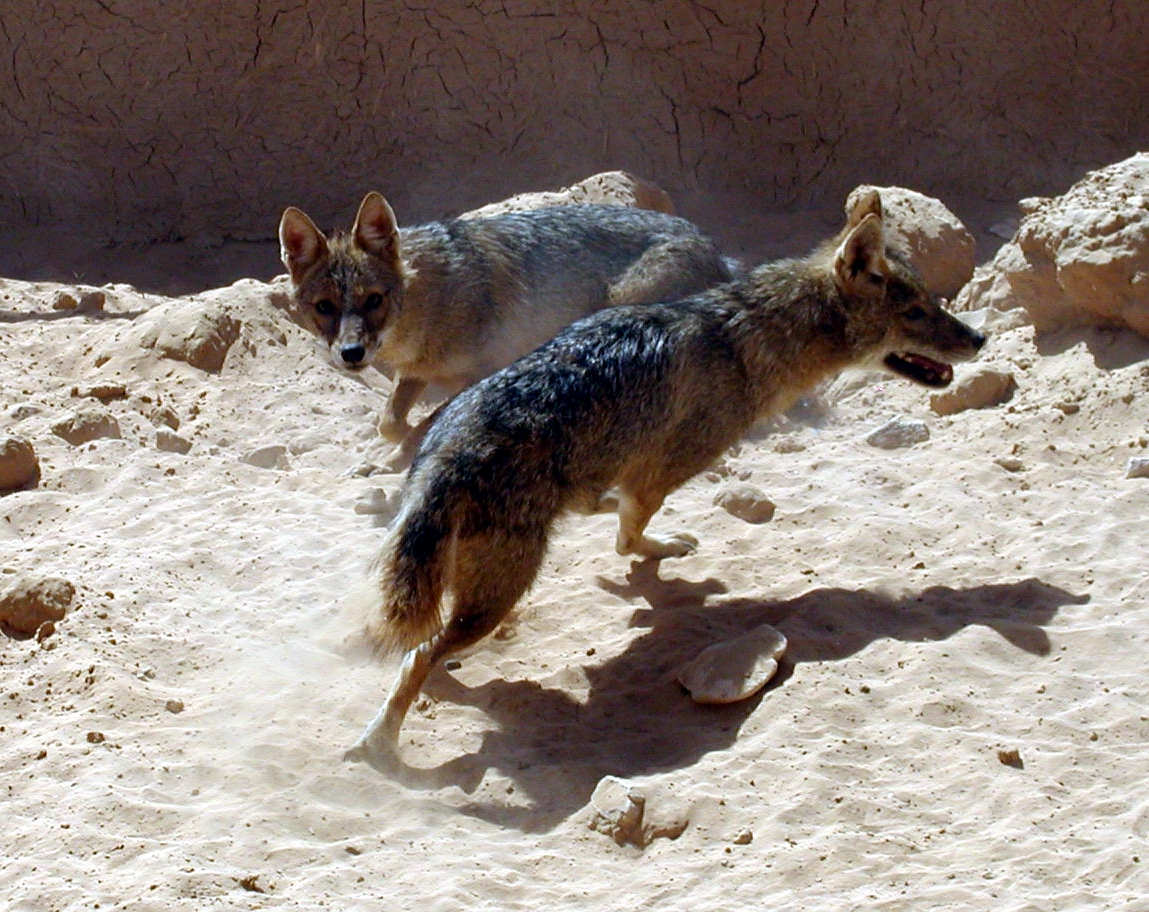




Physical characteristics and behavior
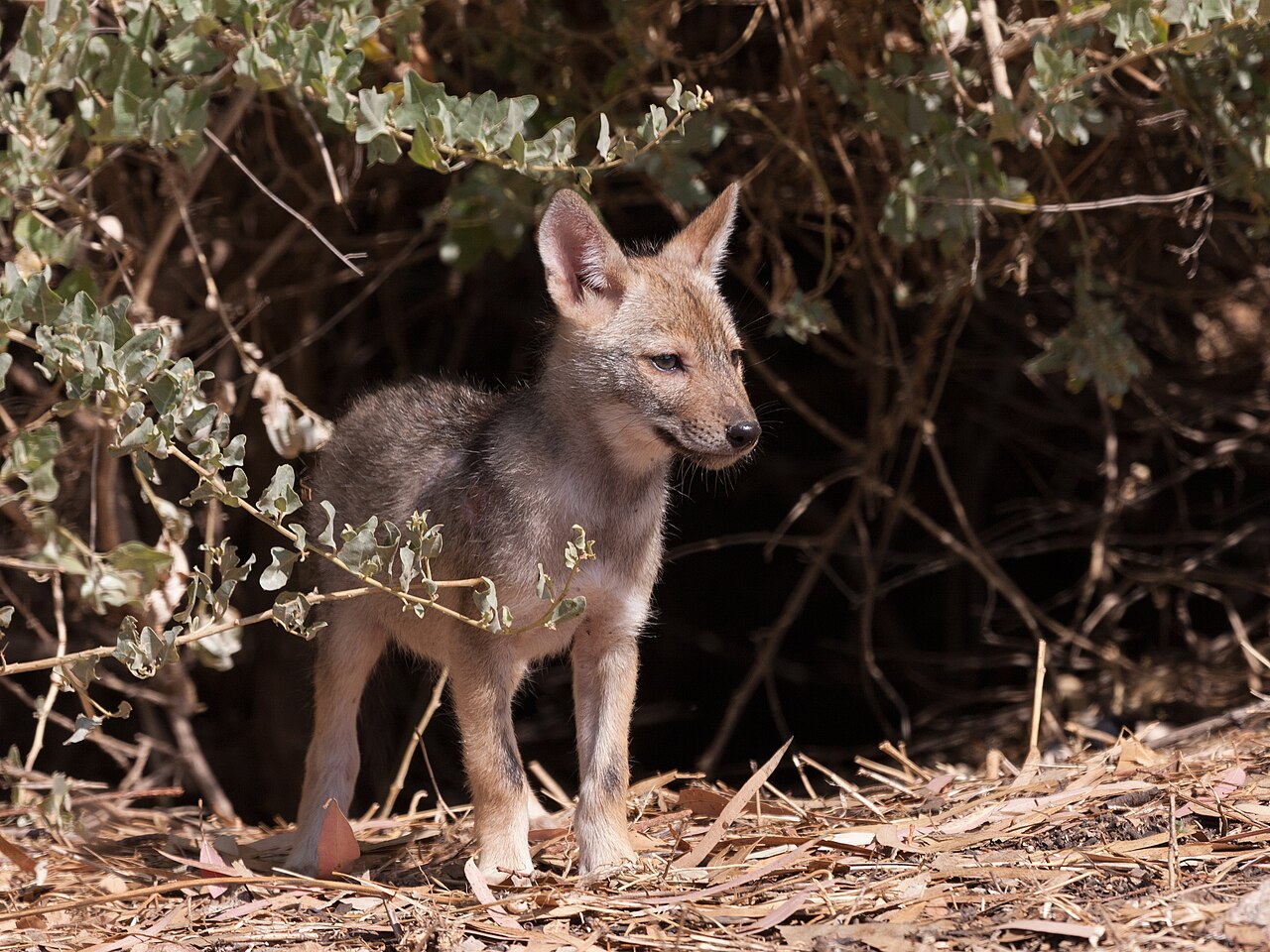
Golden jackals have a slender, fox-like profile with a coat that ranges from golden-yellow to grey-brown depending on season and location. They are agile runners and generally active at dawn and dusk. Social structure varies: some individuals live and hunt alone or in pairs, while others form small family groups. Breeding behavior involves denning and parental care of pups; both parents commonly contribute to rearing the young.
Habitat, range and history
The species inhabits a wide variety of environments including scrub, forest edge, grassland and agricultural landscapes. Its native range includes southeastern Europe, the Southeast Asia region, the Middle East, and parts of South Asia. Over time the golden jackal has shown an ability to expand into new areas when conditions permit, often adapting to human-altered habitats.
Diet and ecological role
Golden jackals are opportunistic feeders. Their diet typically includes small mammals, birds, reptiles, carrion and a range of plant foods such as fruits and seeds when available. As both predator and scavenger, they contribute to controlling small prey populations and to nutrient cycling by consuming carrion.
Relationship with humans and conservation
Human attitudes toward golden jackals vary from cultural symbol to pest species. They can benefit agriculture by removing vermin, but may also take poultry or scavenge near settlements, leading to conflict. Conservation status varies regionally; while the species remains common in many areas, habitat loss, persecution and disease are local threats. Management typically balances protection, conflict mitigation and monitoring of populations.
Notable distinctions and subspecies
- The golden jackal is distinct from African jackals and from wolves, though it shares traits with both groups.
- Approximately a dozen regional subspecies are recognized, reflecting variation in size, coat and ecology across its range.
- Research on genetics and range shifts continues to refine understanding of its relationships with other canids.
Related articles
Author
AlegsaOnline.com Golden jackal (Canis aureus) Leandro Alegsa
URL: https://en.alegsaonline.com/art/39498