
Golden Retriever: Overview, History, Traits, and Roles
A comprehensive overview of the Golden Retriever: origins, appearance, temperament, common uses, care needs, health considerations, and notable distinctions for owners and handlers.
Overview
The Golden Retriever is a medium-to-large dog breed known for a dense, water-repellent coat, a friendly expression, and a reliable temperament. Bred originally as a working gundog, it has become one of the most popular companion animals worldwide because of its sociable nature and adaptability. For general breed information and resources, see breed guides.
Image gallery
10 Images





Appearance and characteristics
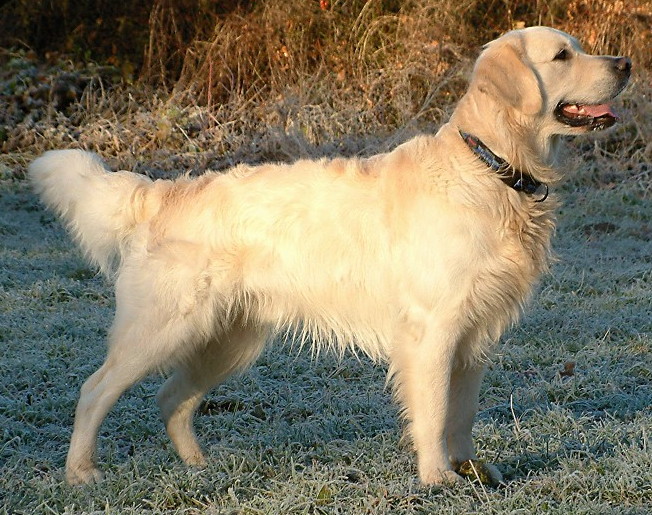
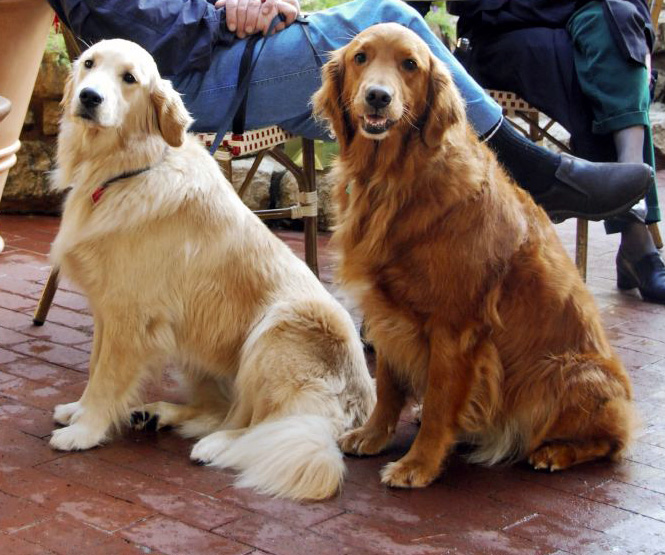
Golden Retrievers typically have a broad skull, dark eyes, and a muzzle that contributes to the characteristic "smiling" look many people associate with the breed. Coat colors range from light cream to deep golden and are often feathered on the chest, legs, and tail. Key traits include high intelligence, a strong desire to please, and steady temperaments. Commonly noted physical and behavioral points include:
- Size: medium-to-large build with well-proportioned bone structure.
- Coat: dense, water-resistant double coat that requires regular grooming.
- Temperament: friendly, social, trainable, and typically tolerant with children and other animals.
- Exercise needs: moderate to high—enjoy swimming, fetch, and long walks.
History and development
Golden Retrievers were developed in the British Isles in the 19th century to retrieve waterfowl and shot game. Breeders selected for retrieving ability, a soft mouth for carrying game, and good scenting — qualities still valued today. The breed was refined by crossing several types of retrievers and water dogs to produce a versatile hunting partner. Historical overviews and stud records can be consulted at specialized breed organizations and archives: historical notes.
Uses and roles
While still used in field and waterfowl hunting by some owners, Golden Retrievers are widely employed in many modern roles due to their temperament and trainability. Typical roles include:
- Companion and family pet: prized for patience and sociability.
- Guide and assistance work: frequently trained as guide dogs and mobility or medical-alert assistants.
- Therapy and emotional-support roles: used in hospitals, schools, and care facilities.
- Detection and search: trained for scent detection and search-and-rescue tasks in some settings.
For examples of certified working dogs and training programs, see service dog programs and detection work.
Care, health, and lifespan
Golden Retrievers generally require regular grooming, daily exercise, and mental stimulation. They are social and can suffer from separation anxiety if left alone for long periods. Common health concerns in the breed include hip dysplasia, certain eye conditions, and a predisposition to some cancers; responsible breeders screen for hereditary issues. Lifespan is commonly around ten to twelve years, though individual longevity varies. For veterinary and care guidelines, consult health resources and canine welfare sites: care recommendations.
Notable distinctions and considerations
Golden Retrievers are not suited to roles requiring aggressiveness or guarding instincts; their friendliness makes them poor guard dogs but excellent partners for work that depends on trust and calm behavior. Potential owners should consider grooming time, activity needs, and the breed’s affinity for companionship before adopting. When matched with the right household and proper training, they remain among the most versatile and beloved dog breeds.
Questions and answers
Q: What breed of dog is a Golden Retriever?
A: A Golden Retriever is a very popular kind of dog.
Q: What were they originally used for?
A: When the breed was first created, they were used for hunting.
Q: Why do people like them as pets?
A: People like to have them as pets because they are very friendly and their face looks like they are smiling all the time.
Q: Are Golden Retrievers good guard dogs?
A: No, because they are so friendly, Golden Retrievers cannot be used as guard dogs.
Q: Are they good drug dogs at airports?
A: Yes, Golden Retrievers are very good as drug dogs at airports.
Q: Are Golden Retrievers good service dogs for the blind? A: Yes, Golden Retrievers are very good as service dogs for the blind (People who cannot see). Q: Do Golden retrievers get sad when left alone for too long? A: Yes, when left alone for too long, Golden retrievers get very sad.
Related articles
Author
AlegsaOnline.com Golden Retriever: Overview, History, Traits, and Roles Leandro Alegsa
URL: https://en.alegsaonline.com/art/39509