
Goggles: Types, Construction, Uses, and Safety Considerations
An overview of goggles: how they are made, different types (swimming, laboratory, welding, safety), their history, uses, standards, maintenance, and how to choose and fit them.
Goggles are protective eye coverings designed to shield the eyes from liquids, particles, bright light, or chemical exposure. Unlike ordinary eyeglasses, goggles form a closer seal to the face and often include cushioning and straps to maintain position. They appear in many everyday and industrial settings, from swimming pools to laboratories and construction sites.
Image gallery
10 Images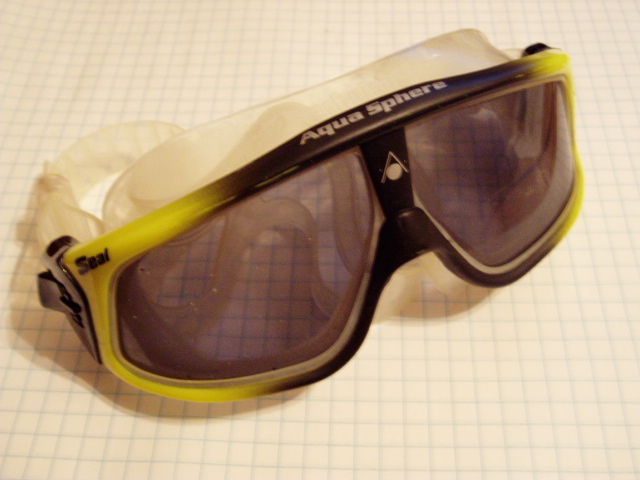


Materials and design
Typical goggles combine a rigid or semi-rigid frame with transparent lenses made of polycarbonate or other impact-resistant plastics. A soft gasket or foam around the edges improves the fit, prevents splashes and debris from entering, and helps distribute pressure. Ventilation, anti-fog coatings, and adjustable straps are common features that enhance comfort and function.
History and development
Goggles evolved from simple eye shields and protective spectacles used in the 19th and early 20th centuries. As industries developed—automotive, chemical, welding and sports—designs became specialized to address distinct risks and activities. Advances in plastics and coatings improved clarity, impact resistance, and fog control.
Common types and uses
- Swimming goggles: Create a watertight seal to keep water away from the eyes during swimming, improving visibility and eye comfort.
- Safety goggles: Used in workshops and construction to block flying particles from power tools and machinery; often worn with other PPE for comprehensive protection (tools, hazards).
- Welding goggles and helmets: Feature darkened filters to protect against sparks and intense ultraviolet or infrared radiation created by welding and related processes; they reduce exposure to bright light that can damage the eyes.
Standards, care, and selection
Many regions maintain safety standards that classify goggles by impact resistance, optical clarity, and chemical protection. Users should select goggles rated for the specific hazard, ensure a snug but comfortable seal, and keep lenses clean and scratch-free. Anti-fog treatments and proper ventilation reduce condensation, while stored goggles should avoid exposure to extreme heat or solvents that degrade seals.
Choosing the right goggles involves matching type, certification, and fit to the activity. Properly selected and maintained goggles significantly reduce the risk of eye injury in water sports, laboratories, construction, and manufacturing.
Related articles
Author
AlegsaOnline.com Goggles: Types, Construction, Uses, and Safety Considerations Leandro Alegsa
URL: https://en.alegsaonline.com/art/39423