
Swimming: movement in water, skills, history, and modern uses
Swimming is the controlled movement of organisms or people through water. This article covers its mechanics, history, practical uses, sports, safety, and training methods.
Overview
Swimming is the act of propelling the body through liquid, most commonly water. As a natural ability for many animals and a learned skill for humans, swimming serves practical needs—such as bathing and cooling—as well as recreational and competitive purposes. It combines balance, breathing control, and rhythmic limb movements to overcome drag and generate thrust.
Image gallery
2 Images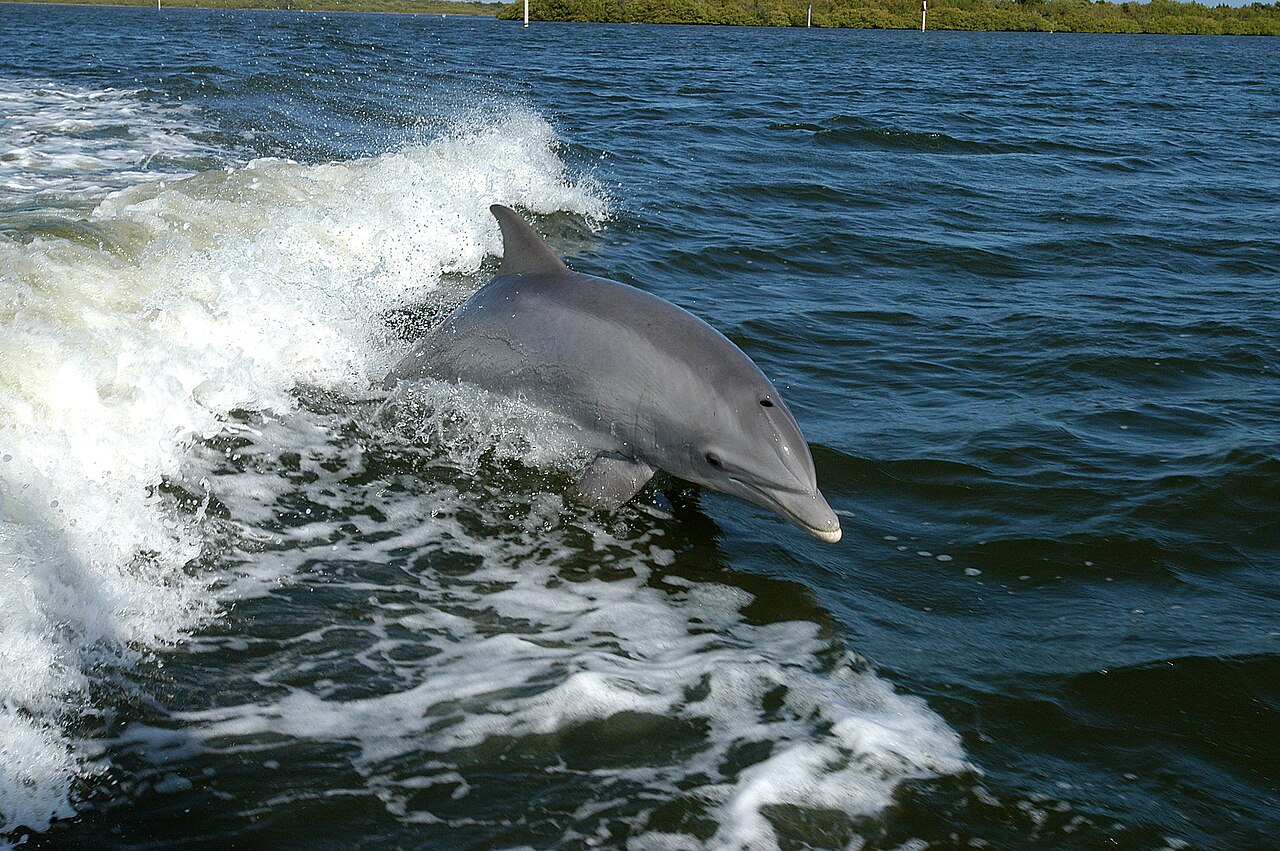
Mechanics and common techniques
Human swimming relies on buoyancy, body position, and coordinated strokes to move efficiently. Typical strokes include the front crawl (freestyle), breaststroke, backstroke and butterfly. Each stroke emphasizes different coordination of arms, legs, and breathing. Efficiency depends on reducing resistance and maximizing propulsive forces through hand and foot movements.
History and cultural development
Evidence of swimming dates back to prehistoric times and is documented in many ancient civilizations for survival, travel and ritual. Over centuries, swimming evolved from a necessary skill to organized recreation and then to codified competitive sport with standardized strokes, timed events, and rules that shaped modern aquatic athletics.
Uses and contexts
Swimming has a wide range of roles in daily life and society:
- Domestic and hygiene activities, including bathing and cooling.
- Subsistence and work, such as fishing and transport in waterborne communities.
- Recreation and leisure: pools, lakes and beaches support recreation and social activity.
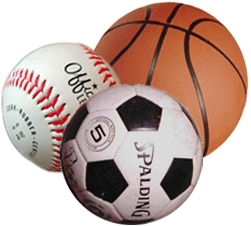
- Sport and fitness: competitive swimming, synchronized swimming, water polo and open-water races are organized forms of aquatic sport (sport).
Safety, training and health benefits
Swimming is low-impact exercise that improves cardiovascular fitness, muscular endurance and flexibility. Because open water and deep pools involve risk, basic safety practices—lifeguarding, flotation devices, learning to tread water and rescue techniques—are important. Lessons typically progress from basic buoyancy and breath control to stroke refinement and endurance training.
Notable distinctions and facts
Swimming differs from other forms of locomotion because water’s density and viscosity create unique constraints and opportunities: small technique changes can greatly affect speed and energy use. Competitive swimming emphasizes streamlining and starts, while recreational swimming focuses on comfort, cooling and social interaction. Adaptive and therapeutic aquatic programs also use water’s supportive properties to aid rehabilitation.
For more detailed guidelines on technique, safety and events, consult training resources and accredited organizations that govern aquatic activities and competitions.
Questions and answers
Q: What is swimming?
A: Swimming is a way of moving in water used by living creatures, and it can be both useful and recreational.
Q: What are the primary uses of swimming?
A: The primary uses of swimming are bathing, cooling, fishing, recreation, exercise, and sport.
Q: Who can swim?
A: Living creatures can swim.
Q: When is swimming useful?
A: Swimming is useful for bathing, cooling, fishing, and sport.
Q: Is swimming only an activity for enjoyment?
A: No, swimming is useful as well as recreational.
Q: Why do people swim?
A: People swim for exercise, sport, recreation, or to cool off in hot weather.
Q: Can other animals swim?
A: Yes, swimming is a way of moving in water used by living creatures, so other animals can swim.
Related articles
Author
AlegsaOnline.com Swimming: movement in water, skills, history, and modern uses Leandro Alegsa
URL: https://en.alegsaonline.com/art/95521