
Google Nexus — line of Android reference devices
Series of smartphones and tablets produced by Google with hardware partners to showcase a stock Android experience, developer access, and timely updates; replaced by Pixel devices in 2016.
The Nexus brand was a family of Android smartphones and tablets produced by Google in partnership with various hardware manufacturers. Introduced to provide a reference platform for the Android operating system, Nexus devices offered an unmodified "stock" Android build, prompt platform updates and developer-friendly features such as unlockable bootloaders and easy access to system images. For several years Nexus models served as the closest representation of Google’s vision for Android before the product line was succeeded by the Google Pixel series.
Image gallery
10 Images


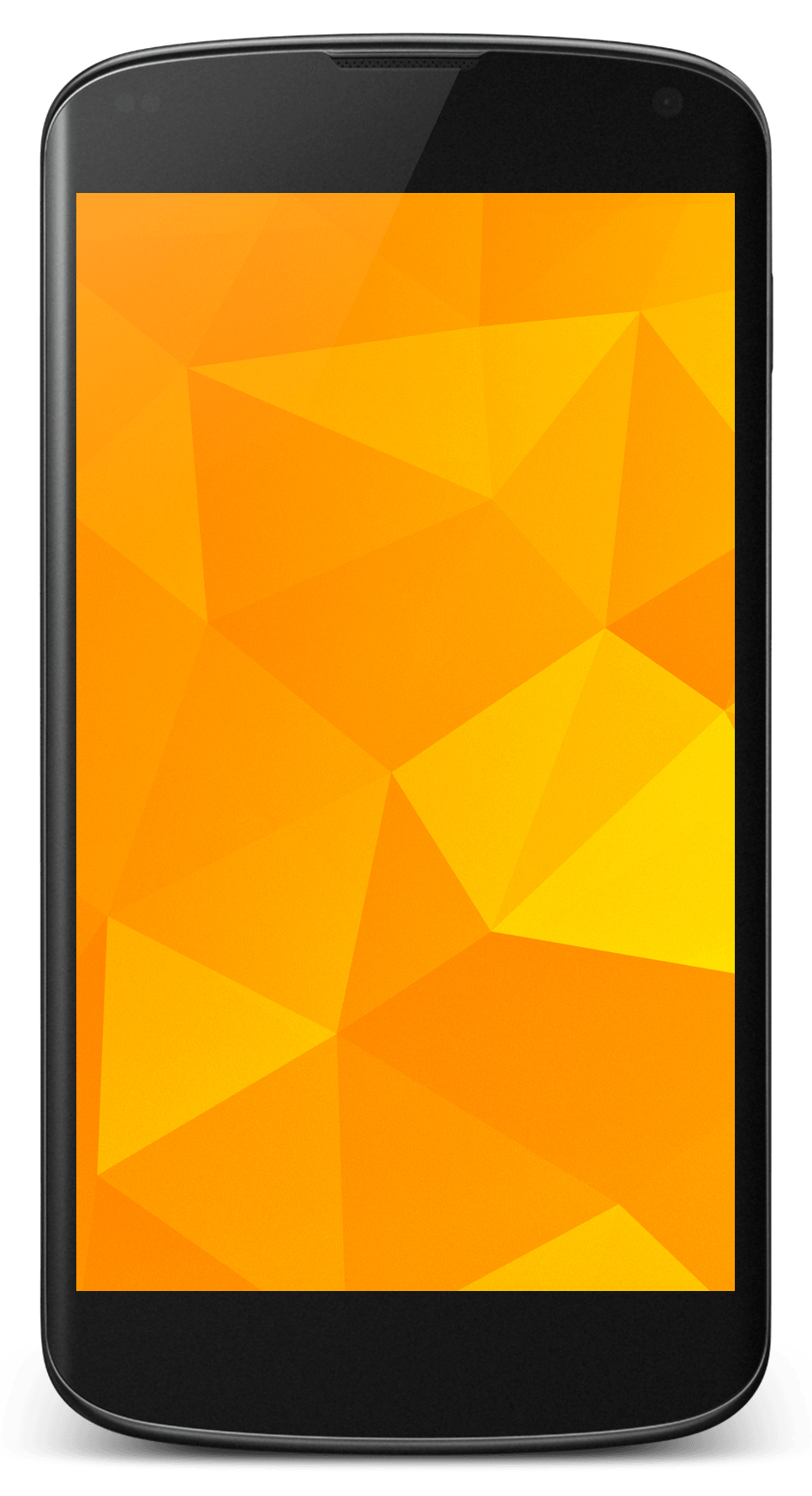
Characteristics and purpose
Nexus devices were designed to demonstrate Android as Google intended it to run on consumer hardware. They typically shipped without the manufacturer or carrier skins, custom launchers or preinstalled third‑party apps common on other phones. This streamlined software made Nexus models popular with developers and enthusiasts who wanted fast over‑the‑air (OTA) updates, straightforward access to factory images and a device that could be modified for testing or custom ROM development.
Hardware partners and examples
Over the product line Google collaborated with several established makers. Early models included the Nexus One (manufactured by HTC) and the Nexus S (Samsung). Later well‑known phones included the Galaxy Nexus (Samsung), Nexus 4 and Nexus 5 (both by LG), Nexus 6 (Motorola), Nexus 5X (LG) and Nexus 6P (Huawei). Tablets in the series included the Nexus 7 (Asus), Nexus 9 (HTC) and Nexus 10 (Samsung). Each model represented different price points and feature sets but shared the core aim of providing an authentic Android experience.
History and development
The Nexus program began in 2010 and continued through mid‑2010s as Google iteratively partnered with manufacturers to refine both hardware and the Android platform. Nexus phones often arrived with the latest Android release and received official updates directly from Google for a limited support period. The openness of many Nexus devices — including the ability to unlock bootloaders and install custom firmware — made them influential among developers and the modding community. Over time Google shifted from the Nexus approach to a more vertically integrated Pixel strategy, focusing on hardware, software and services under a single Google brand.
Use, importance and distinctions
Nexus devices played several roles: reference hardware for app and OS developers, a commercially available showcase for stock Android, and a platform for community modification. Compared with contemporary flagship phones that ran customized manufacturer skins, Nexus phones were valued for minimal interference from carriers and OEMs, predictable update timelines and clear access to developer resources such as factory images and recovery utilities. Sales and market positioning varied by model, but the line’s most lasting legacy is its influence on how Google approaches Android hardware partnership and software support.
Nexus Q and legacy
The Nexus program briefly included an experimental streaming appliance known as the Nexus Q, intended as a networked media player, though it never reached full public release in its original form. While the Nexus name was retired in favor of Pixel hardware, many of the program’s principles — stock software, timely updates and close hardware‑software integration — continue to shape Google’s devices and the broader Android ecosystem.
For further technical resources and historical details see materials on Android, collections of Nexus device images and release notes for specific smartphones and tablets, plus official announcements archived by Samsung, HTC and other partners referenced above.
Questions and answers
Q: What is the Nexus?
A: The Nexus is a series of Android smartphones and tablets produced by Google in co-operation with some phone-making companies.
Q: What is the purpose of Nexus phones and tablets?
A: The purpose of the Nexus phones and tablets is to offer a "pure Android experience".
Q: What does "pure Android experience" mean?
A: Pure Android experience means that the phones or tablets come free of carrier or manufacturer modifications and with an unlockable bootloader.
Q: What can an unlockable bootloader on Nexus phones and tablets allow for?
A: An unlockable bootloader on Nexus phones and tablets allow for further development and end-user modification.
Q: What were Nexus phones and tablets once considered?
A: Nexus phones and tablets were once considered the "flagship" Android devices.
Q: What replaced the Nexus line?
A: The Nexus line was later replaced with the Google Pixel.
Q: What are the models of Nexus phones and tablets?
A: The models of Nexus phones include Nexus One, Nexus S, Galaxy Nexus, Nexus 4, Nexus 5, Nexus 6, Nexus 5X, and Nexus 6P. The models of Nexus tablets include Nexus 7, Nexus 9, and Nexus 10.
Related articles
Author
AlegsaOnline.com Google Nexus — line of Android reference devices Leandro Alegsa
URL: https://en.alegsaonline.com/art/39688
Sources
- android-developers.blogspot.com : "Android Developers Blog: It's not "rooting", it's openness"
- engadget.com : "Galaxy Nexus gets rooted, forums burst into applause"
- lifehacker.com : "Google Launches Android 2.3 Gingerbread and Nexus S Flagship Phone"
- gizmodo.com : "This Is the Samsung Galaxy Nexus, Google's New Official Android Phone"
- zdnet.com : "Don't diss my phone: Nexus S to get Ice Cream Sandwich within weeks"
- engadget.com : "Exclusive: Samsung 'flagship' phone with Gingerbread and huge display coming in early 2011 (update)"
- gottabemobile.com : "Nexus S On Its Way to AT&T - Too Late to Matter?"