
Givat Ram — Jerusalem's civic and cultural district
Givat Ram is a central area in west‑central Jerusalem that concentrates Israel's principal national institutions, major museums, university facilities and extensive parks in a compact civic quarter.
Overview
Givat Ram (Hebrew: גִּבְעַת רָם) is a prominent district in west‑central Jerusalem, located at 31°47′N 35°12′E. The neighbourhood functions as the capital’s principal civic and cultural quarter, concentrating national institutions, important museums, higher‑education facilities and substantial public green spaces within a relatively compact area of the city. It sits close to Jerusalem’s administrative and commercial districts and is frequently used for national ceremonies and official events (location and context).
Image gallery
9 Images


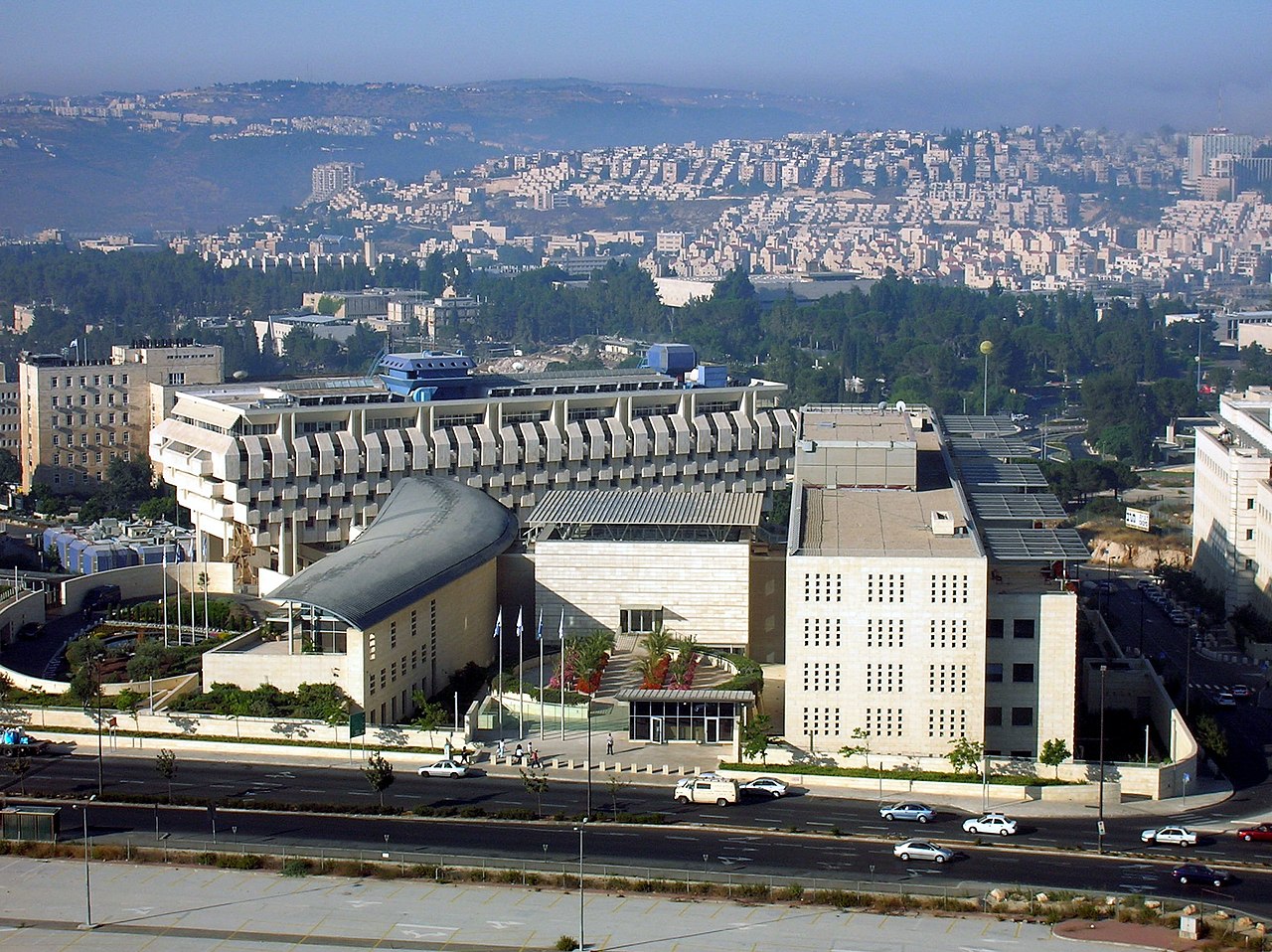


Major institutions and museums
Givat Ram is best known as the site of several of Israel’s national institutions and leading cultural attractions. Notable sites include:
- The Knesset — Israel’s parliament and legislative complex.
- The Supreme Court of Israel — the country’s highest judicial body, with a prominent modern complex.
- The National Library of Israel — the principal national collection of books, manuscripts and archives.
- The Israel Museum — a major art and archaeology museum housing internationally significant collections.
- The Bloomfield Science Museum — an interactive museum focused on science education for children and adults.
- The Bible Lands Museum — exhibitions on the ancient Near East and biblical cultures.
- The International Convention Center — a venue for conferences, trade fairs and large public events.
University campus and parks
The Givat Ram campus of the Hebrew University of Jerusalem occupies a significant portion of the neighbourhood and hosts several faculties, research institutes and lecture halls. Surrounding the institutional core are important public green spaces such as Wohl Rose Park and Sacher Park, which offer lawns, walking paths and outdoor event spaces and serve as informal links between museums, the university and civic buildings.
History and development
The district developed during the 20th century as planners sought to concentrate national cultural and governmental institutions in a single accessible quarter of Jerusalem. The siting of the Knesset, the national library and major museums was part of a deliberate strategy to create a civic and cultural center that would be reachable from other parts of the city while providing open spaces and landscaped approaches. Architectural styles vary from modernist civic complexes to museum buildings set in parkland, reflecting successive waves of planning and construction.
Architecture, planning and public use
Buildings in Givat Ram combine formal, institutional architecture with significant landscaping and pedestrian circulation. The layout supports both daily functions — courts, parliamentary business, university teaching — and public activities such as museum visits, concerts and national commemorations. The area’s design emphasizes vistas, access routes and the integration of green space to encourage both official use and informal recreation.
Access and practical information
Givat Ram is well connected to other parts of Jerusalem by road and public transport, and many of its attractions are within comfortable walking distance of one another. Visitors typically plan combined visits to museums, parks and the university campus; official institutional websites and local guides linked above provide current opening hours, ticketing and access details. For researchers and students, the presence of national collections and university facilities makes Givat Ram an important centre for scholarship and public education.
Significance
As a concentrated seat of government, law, culture and learning, Givat Ram plays a central role in Israel’s civic life. Its combination of national institutions, museums, academic buildings and parks creates a multifaceted district that serves administrative, educational, commemorative and recreational purposes for residents and visitors alike.
Related articles
Author
AlegsaOnline.com Givat Ram — Jerusalem's civic and cultural district Leandro Alegsa
URL: https://en.alegsaonline.com/art/39038