
Hebrew University of Jerusalem
Major public research university in Israel, founded in 1918 with multiple campuses in Jerusalem and a long history of scholarship, research institutes and medical education.
Overview
The Hebrew University of Jerusalem is a major public research university located in Israel. Its Hebrew name is האוניברסיטה העברית בירושלים, commonly abbreviated HUJI. Founded in 1918 and formally opened in the years that followed, the institution grew into one of the country's principal centers for higher learning and research. It maintains a wide range of academic departments, graduate schools and research institutes across several campuses.
Image gallery
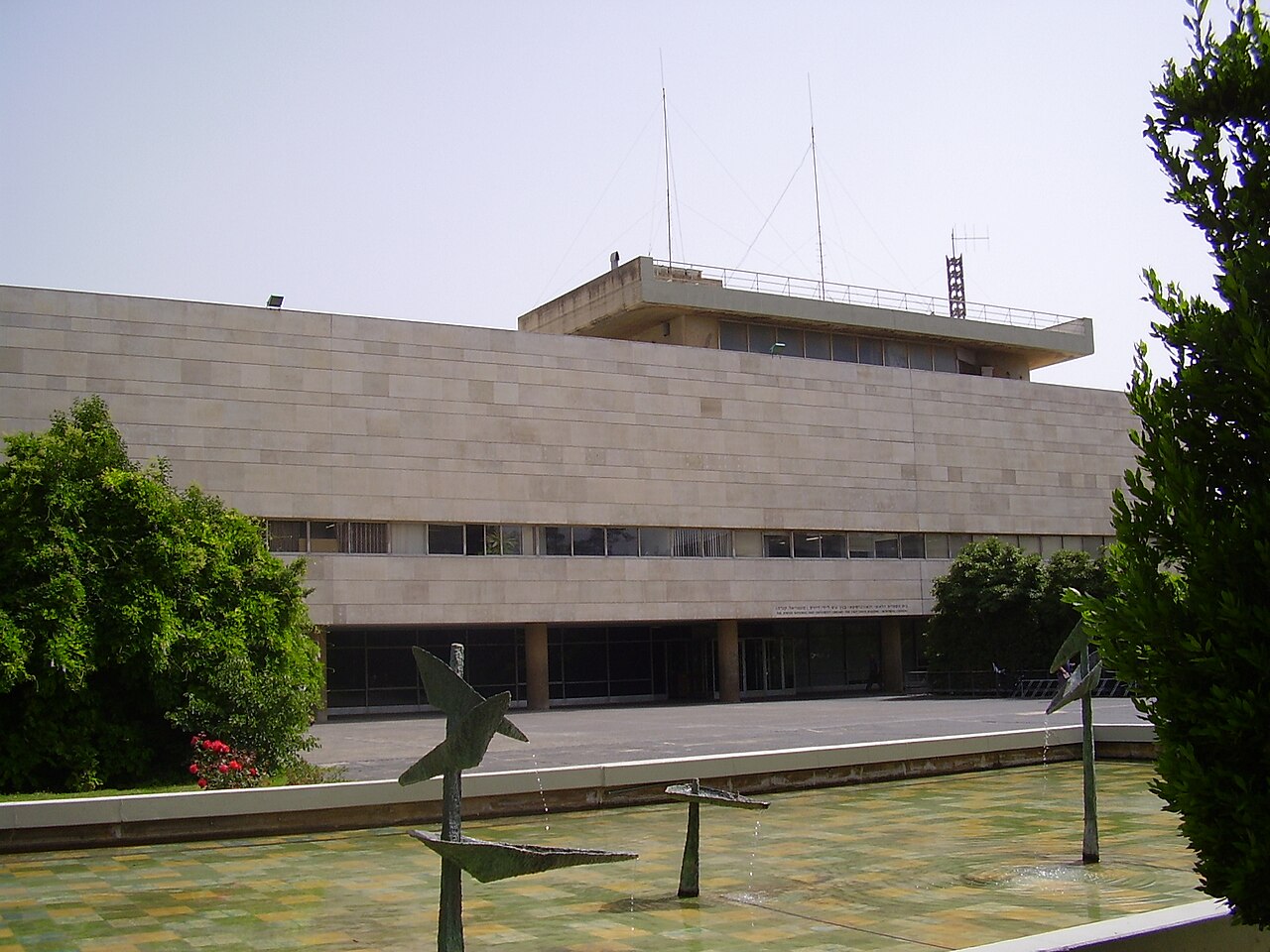
10 Images



History and development
The university emerged from early 20th-century efforts to create a modern center for Jewish learning and science in the land of Israel. Its initial campus and earliest facilities were sited on Mount Scopus, and over time new campuses were established to accommodate expanding faculties and students. Political and historical events shaped the campus geography in the mid-20th century, prompting development of additional sites and partnerships with hospitals and laboratories.
Campuses and structure
HUJI operates multiple campuses within Jerusalem that host different academic divisions and services. Key sites include:
- Mount Scopus — historic main campus, home to many humanities and social science departments.
- Givat Ram — a central campus noted for science and engineering faculties and several research centers.
- Ein Kerem — medical campus closely associated with hospital facilities and clinical training.
Beyond these primary locations, the university operates specialized institutes and agricultural and field sites that support applied research and community outreach.
Academic profile and research
The university comprises faculties covering natural sciences, medicine, agriculture, law, social sciences, humanities and more. It hosts numerous research institutes, libraries and museums that support scholarship across disciplines. HUJI has contributed to scientific, medical and cultural advances in the region and has been associated with scholars who received international recognition for their work.
Students, collaborations and influence
A diverse student body pursues undergraduate, graduate and professional degrees. The university maintains international collaborations, exchange programs and partnerships with academic and commercial organizations. Its graduates play influential roles in public life, academia, industry and medicine, and its research often feeds into technology transfer and startup activity.
Notable aspects
As one of the earliest modern universities in the country, HUJI is notable for its historical campuses, wide disciplinary range and connection to national institutions of health and science. It remains a focal point for research, higher education and cultural activities in Jerusalem and beyond.
Related articles
Author
AlegsaOnline.com Hebrew University of Jerusalem Leandro Alegsa
URL: https://en.alegsaonline.com/art/43163