
Israel Museum (Jerusalem)
Israel's national museum in Jerusalem, founded 1965. Comprehensive collections of archaeology, Jewish and world art, the Shrine of the Book, and research, conservation and educational programs.
Overview
The Israel Museum is the national museum of the State of Israel, located on a hill in the Givat Ram neighborhood of Jerusalem. Established in 1965, it serves as a central cultural institution for the study, display and preservation of archaeological finds, Jewish ceremonial objects, fine arts and historical materials. Its campus sits near national cultural and political institutions; visitors can find references to its setting and precise position via the map coordinates.
Image gallery
10 Images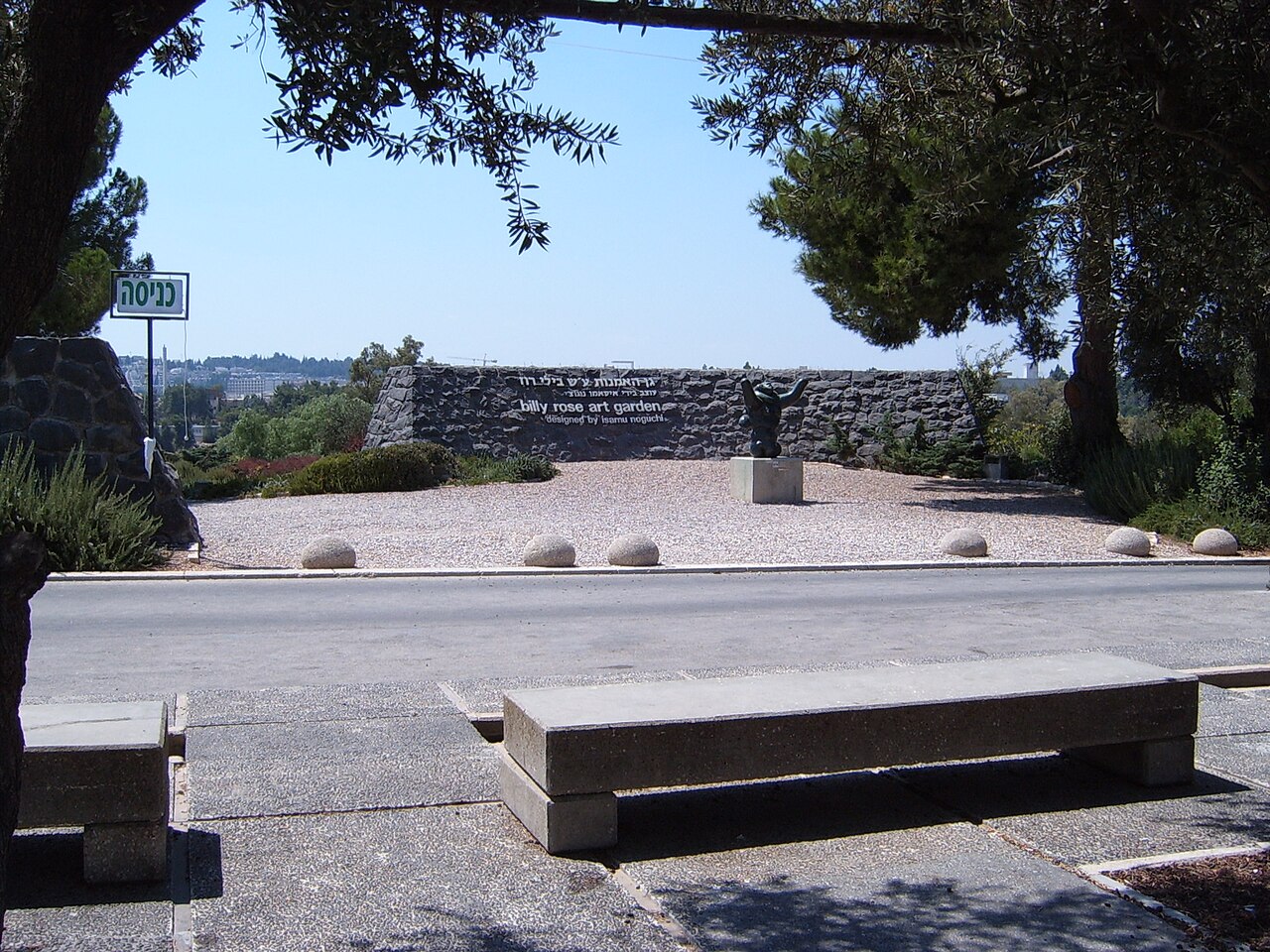




Main collections and layout
The museum is organized into distinct departments and exhibition spaces that cover a wide chronological and geographic span. Major areas include archaeology from prehistoric periods through the classical eras, Jewish art and life, modern and contemporary art, and material culture from the broader Near East. Indoor galleries are complemented by outdoor sculpture gardens and conservation laboratories that support research and display.
Notable holdings
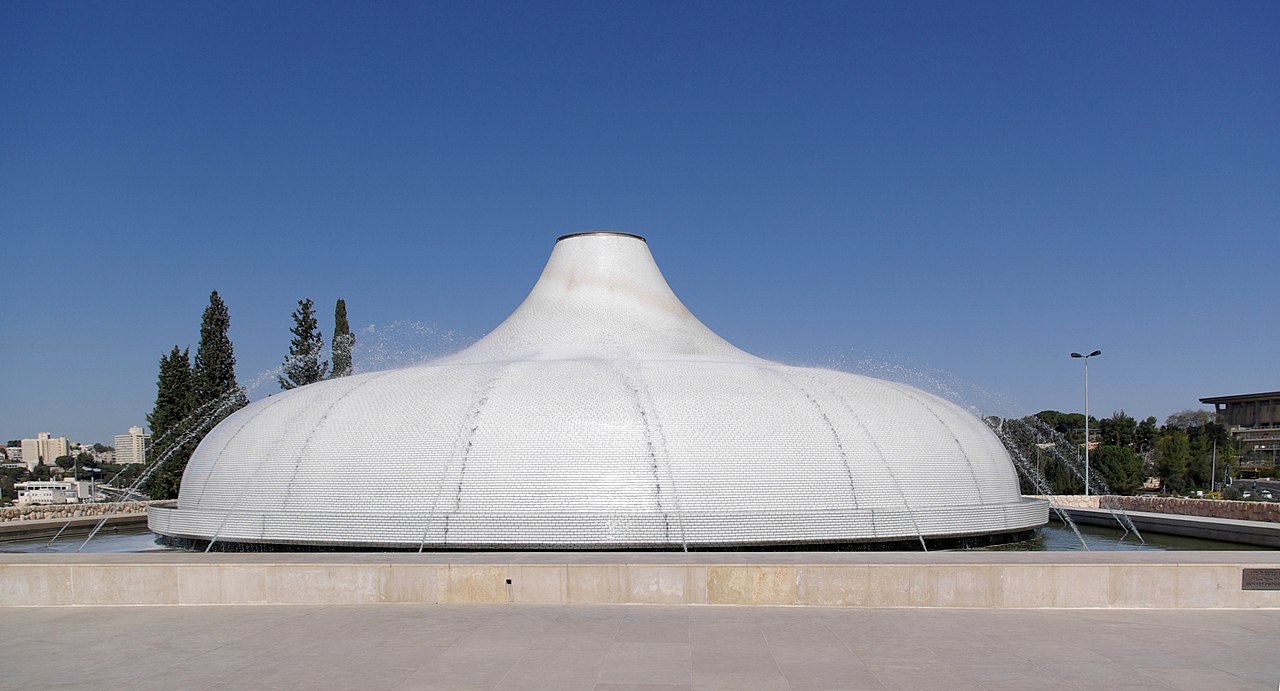
Among the institution's best-known items is the Shrine of the Book, which exhibits portions of the Dead Sea Scrolls and related artifacts. The museum also preserves a large collection of archaeological objects from the land of Israel, illuminated manuscripts and ritual items, and a model that illustrates the layout of historic Jerusalem. Temporary exhibitions regularly bring international loans and contemporary projects to the site.
History and development
Founded in the mid-20th century, the Israel Museum has expanded its facilities and collections through donations, excavations and international partnerships. Its hilltop campus lies in the company of other cultural institutions, such as the nearby Bible Lands Museum, and is close to the national legislature at the Knesset. The museum's Hebrew name is often rendered in signage and publications; in that language it is known as מוזיאון ישראל, ירושלים.
Role and visiting information
The Israel Museum functions as a center for public exhibitions, scholarly research, conservation and education. Its programs include guided tours, lectures and family activities aimed at making collections accessible to diverse audiences. As one of the country's largest cultural institutions, it is frequently cited for its contributions to archaeology, art history and heritage preservation, and it continues to collaborate with museums and universities worldwide.
- Founded: 1965 (national museum of Israel).
- Key feature: Shrine of the Book (Dead Sea Scrolls).
- Nearby institutions: Bible Lands Museum, Knesset.
Related articles
Author
AlegsaOnline.com Israel Museum (Jerusalem) Leandro Alegsa
URL: https://en.alegsaonline.com/art/48504