
Gjirokastër: Historic City in Southern Albania
Gjirokastër is a historic city in southern Albania, noted for its well‑preserved Ottoman architecture, hilltop fortress, and role as the administrative center of Gjirokastër County.
Overview
Gjirokastër is a city in southern Albania situated between the Gjerë mountains and the Drino River. It serves as an administrative center for the surrounding district and county and is home to roughly 43,000 residents. The city is often recognized for its distinctive stone houses, steep terraced streets and a prominent hilltop castle. For basic location and travel information see Gjirokastër location.
Image gallery
10 Images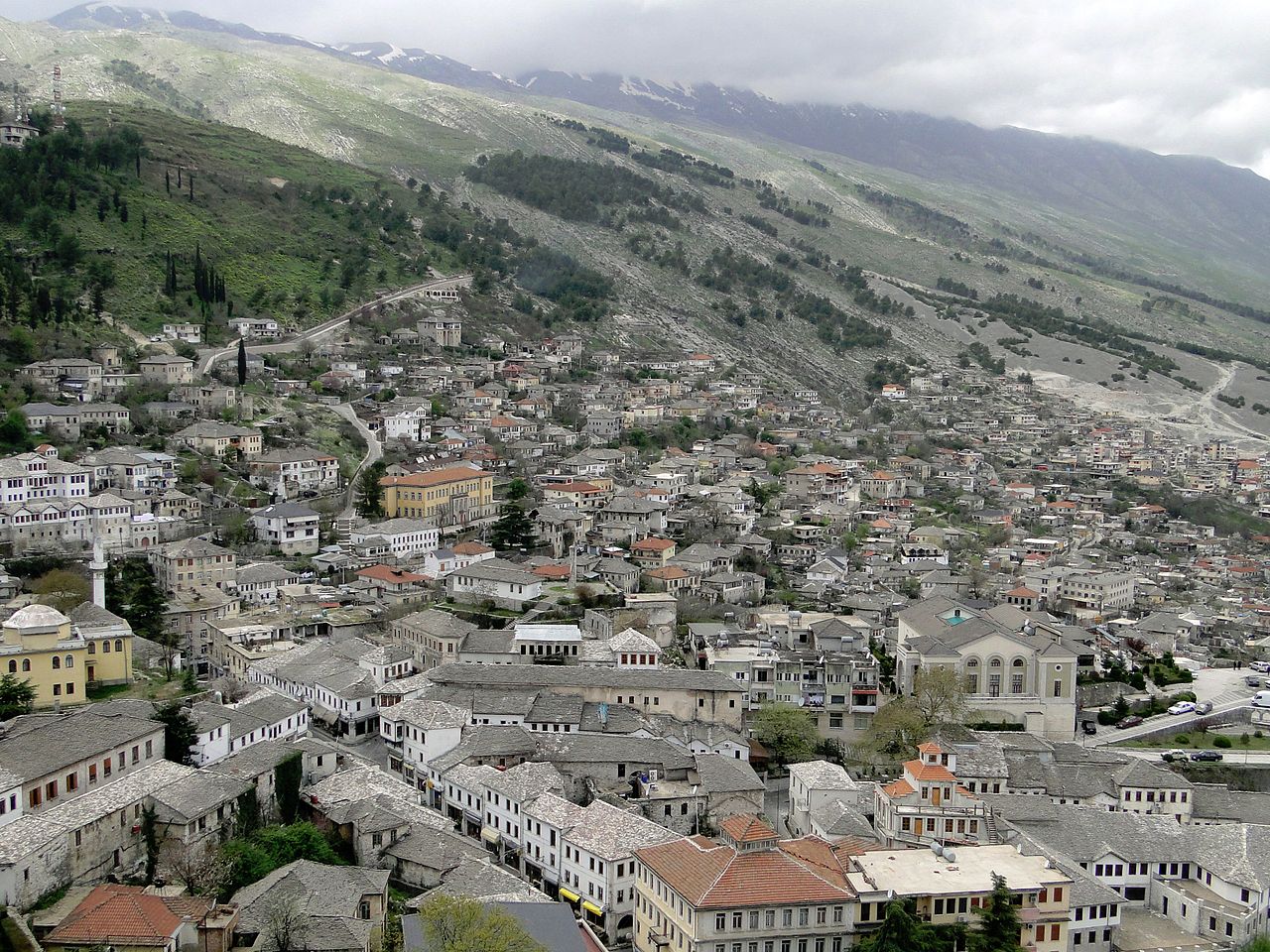


Characteristics and notable sites
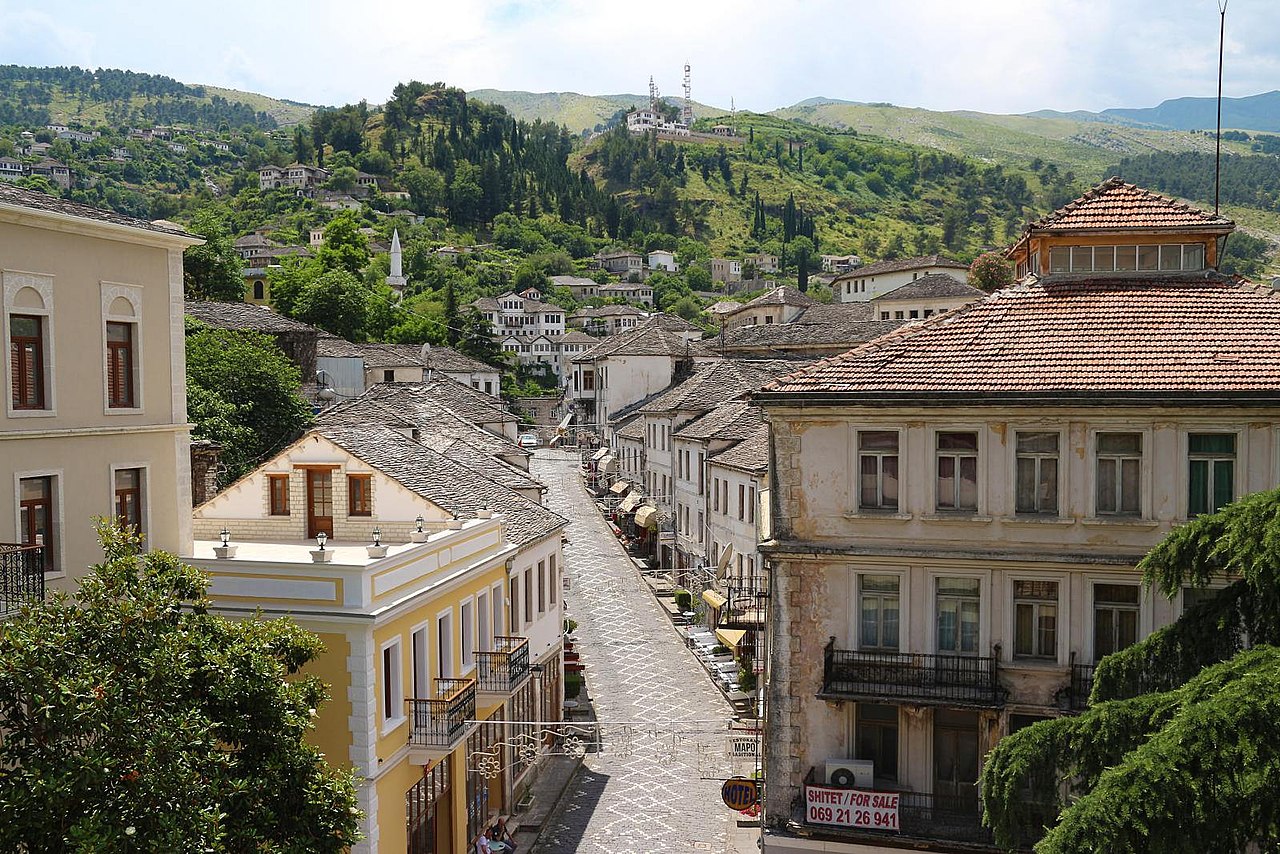
The urban fabric of Gjirokastër is dominated by well‑preserved Ottoman‑era architecture: two‑storey stone houses with characteristic roofs, narrow cobbled lanes and historic bazaars. The most visible landmark is Gjirokastër Castle, which overlooks the town and contains museums and panoramic viewpoints. Other features include traditional tower houses, historic mosques and the old bazaar quarter.
History and cultural significance
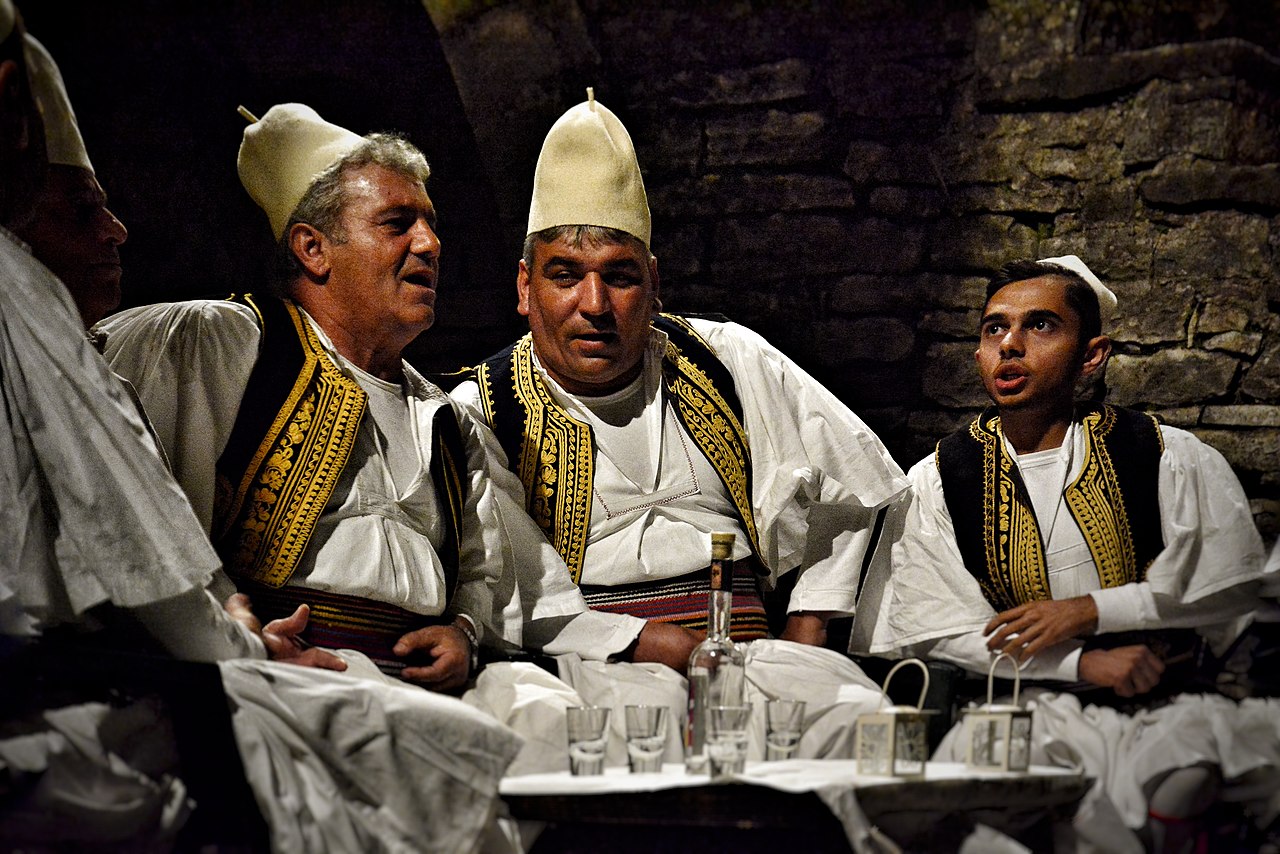
Gjirokastër has a long history as a regional market town and administrative hub. Its architecture and urban plan reflect centuries of local craftsmanship and Ottoman influence. The historic center is recognized for its cultural value and attracts visitors interested in architecture and history. Cultural institutions and festivals in the city highlight local music, crafts and oral traditions.
Administration, education and economy
The city is the seat of both the Gjirokastër District and the larger Gjirokastër County; further administrative details can be found via district information and county information. Gjirokastër hosts Eqerem Çabej University, which contributes to local education and research. Local economic activity blends public administration, tourism, agriculture in the surrounding valleys, and small‑scale craft and service businesses.
Visiting and distinctions
- Architectural heritage: the old town is noted for its coherent traditional building styles and historic streetscapes.
- Fortification: Gjirokastër Castle is a focal point for views and exhibitions.
- Culture and education: museums, university programs and seasonal events support cultural life.
Visitors to Gjirokastër typically explore the castle, wander the old town, and learn about local crafts and history. The city provides a concentrated example of southern Albanian urban traditions and remains an important regional center for culture and governance.
Related articles
Author
AlegsaOnline.com Gjirokastër: Historic City in Southern Albania Leandro Alegsa
URL: https://en.alegsaonline.com/art/39066
Sources
- instat.gov.al : "Population by towns"