
Gigantoraptor
Gigantoraptor, discovered in Inner Mongolia, is a giant late Cretaceous oviraptorosaur known for its unusually large size, toothless beak, and implications for feather evolution and dinosaur ecology.
Gigantoraptor is a remarkable fossil genus that expanded scientists' view of oviraptorosaurs. Described from remains found in what is now Inner Mongolia, it lived during the later Cretaceous period. Classified as a large genus of oviraptorosaur theropod dinosaur, Gigantoraptor combined features seen in small, bird-like relatives with adaptations associated with much greater body size.
Image gallery
10 Images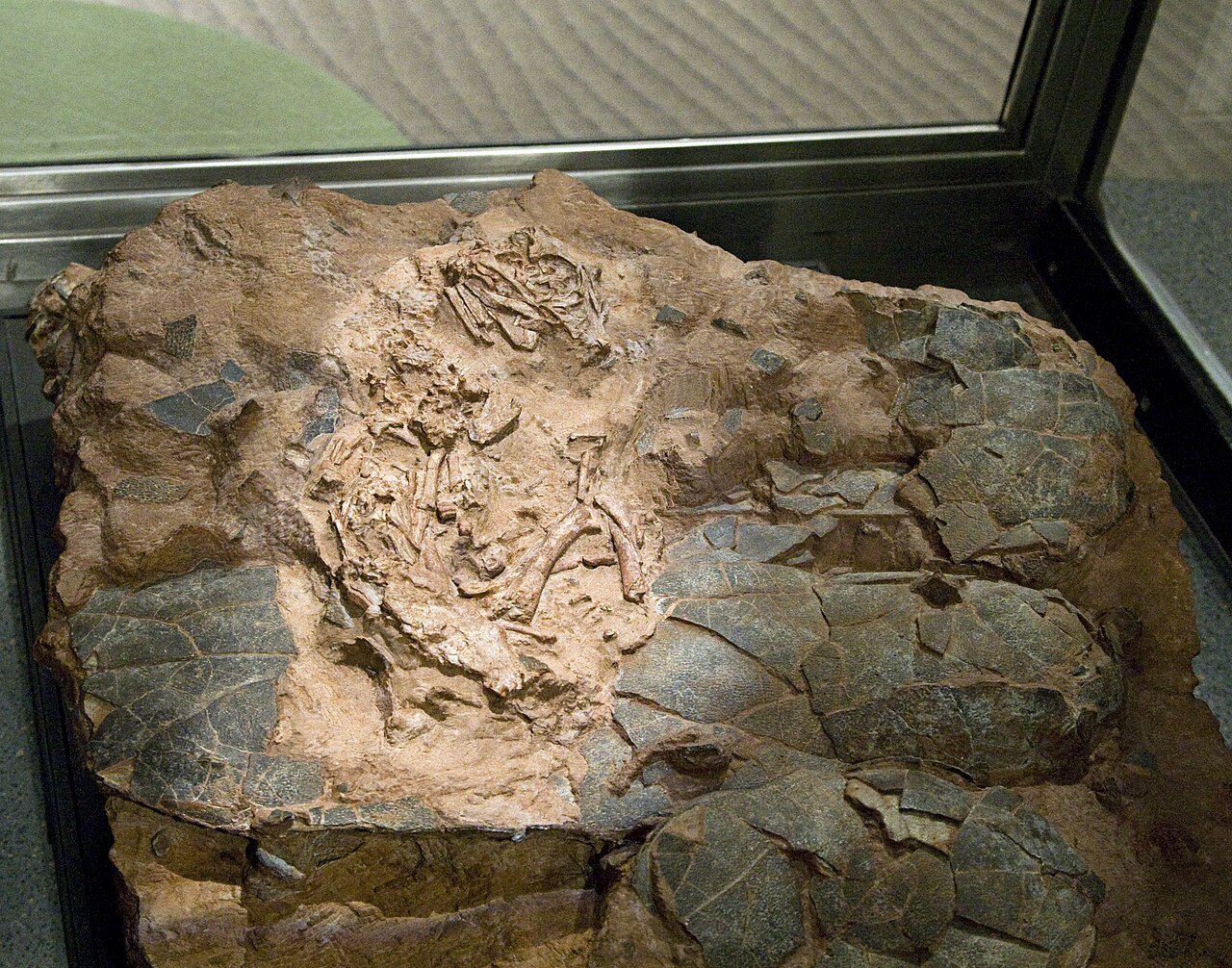
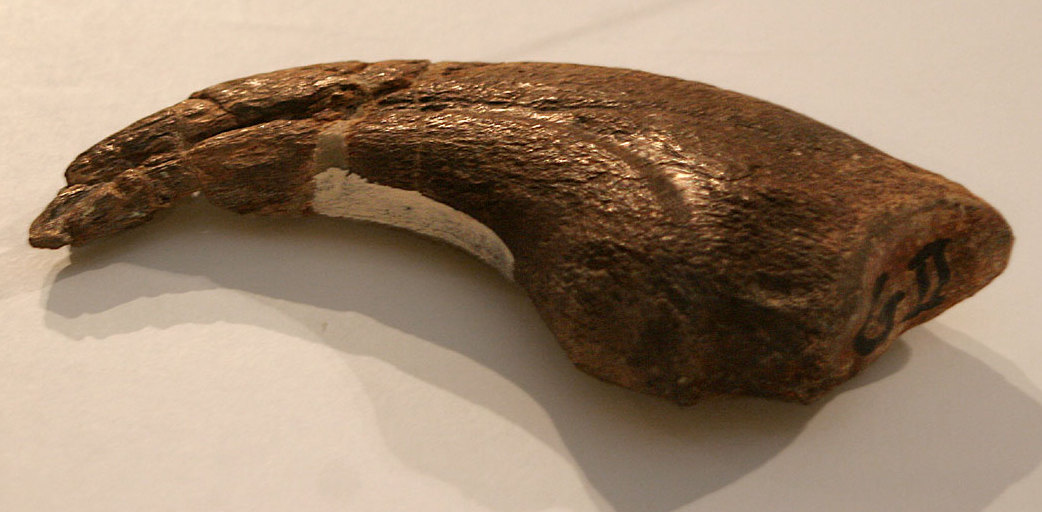
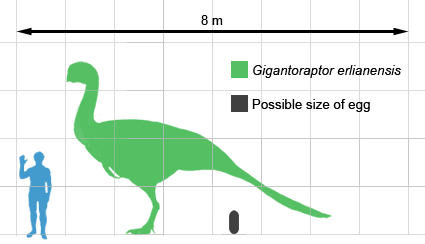


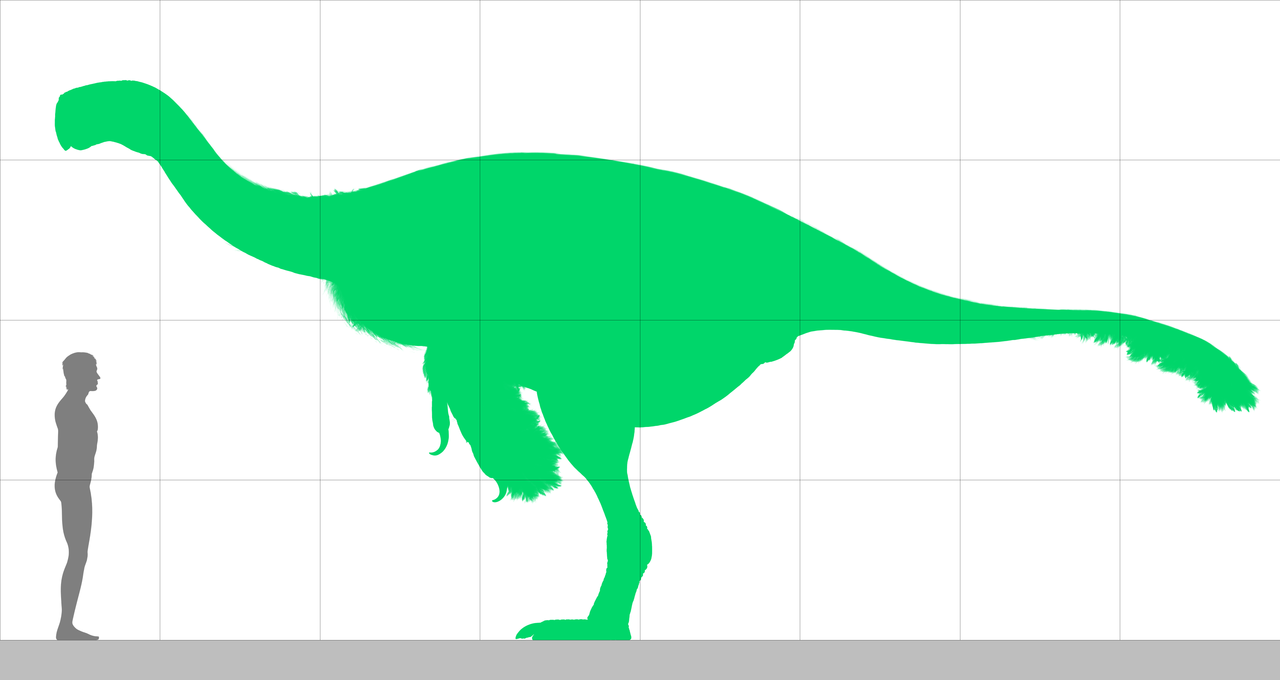

Physical characteristics
Although only a single well-preserved specimen is known, Gigantoraptor is notable for its long hindlimbs, elongate forelimbs, and a toothless beak. These traits suggest a beaked jaw capable of crushing or cropping food. Size estimates vary, but paleontologists generally agree it was far larger than typical oviraptorosaurs, perhaps several metres long and weighing on the order of hundreds of kilograms to around a tonne. Direct evidence of feathers has not been preserved with the holotype, but feathered integuments are inferred from close relatives.
Discovery and naming
The fossil was recovered in 2005 and formally named and described shortly afterwards by international researchers. The species name reflects its type locality in eastern Asia. Its discovery in Mongolia renewed interest in the diversity of late Cretaceous Asian ecosystems and showed that some small-bodied clades evolved unexpectedly large members.
Paleobiology and ecology
The diet and lifestyle of Gigantoraptor remain debated. Its beak and jaw mechanics have been interpreted as consistent with omnivory or herbivory, perhaps feeding on plants, seeds, or small animals. Long arms and a lightly built skeleton imply that, despite its size, it retained some cursorial and possibly display-related capabilities. Its existence shows that complex behaviors associated with smaller oviraptorosaurs could have scaled up in larger animals.
Notable facts and significance
- It is among the largest known members of the oviraptorosaur group, challenging assumptions about body-size limits in feathered theropods.
- Gigantoraptor provides evidence that traits like beaks and probable feathers were widespread across diverse body sizes.
- Its discovery highlighted Asia as a center for unusual dinosaur evolutionary experiments.
For more technical discussion, consult detailed taxonomic and anatomical studies; this genus is often cited in analyses of dinosaur gigantism and the evolution of avian features in non-avian theropods. See related entries for broader context: genus, oviraptorosaur, theropod, dinosaur, Cretaceous, and the discovery region Inner Mongolia.
Related articles
Author
AlegsaOnline.com Gigantoraptor Leandro Alegsa
URL: https://en.alegsaonline.com/art/38777
Sources
- doi.org : 10.1038/nature05849
- pubmed.ncbi.nlm.nih.gov : 17565365
- cbc.ca : Remains of giant bird-like dinosaur unveiled
- doi.org : 10.1111/j.1475-4983.2010.00968.x
- bioone.org : bioone.org/doi/abs/10.3374/014.054.0102
- species.wikimedia.org : Gigantoraptor