
Oviraptorosaurs: the beaked, feathered maniraptorans of the Cretaceous
Oviraptorosaurs were a diverse group of feathered, beaked maniraptoran dinosaurs of the Cretaceous, notable for their birdlike anatomy, varied diets, and important fossil record in Asia and parts of North America.
Overview
Oviraptorosaurs are a clade of small-to-large feathered maniraptoran dinosaurs that lived during the Cretaceous period. Most fossils come from what is now Asia, with additional, sparser occurrences in North America. They range in size from turkey-sized forms such as Caudipteryx to very large taxa like Gigantoraptor. Oviraptorosaurs show a combination of unique skull shapes, often toothless beaks, and extensive feathering that links them closely to modern birds.
Image gallery
10 Images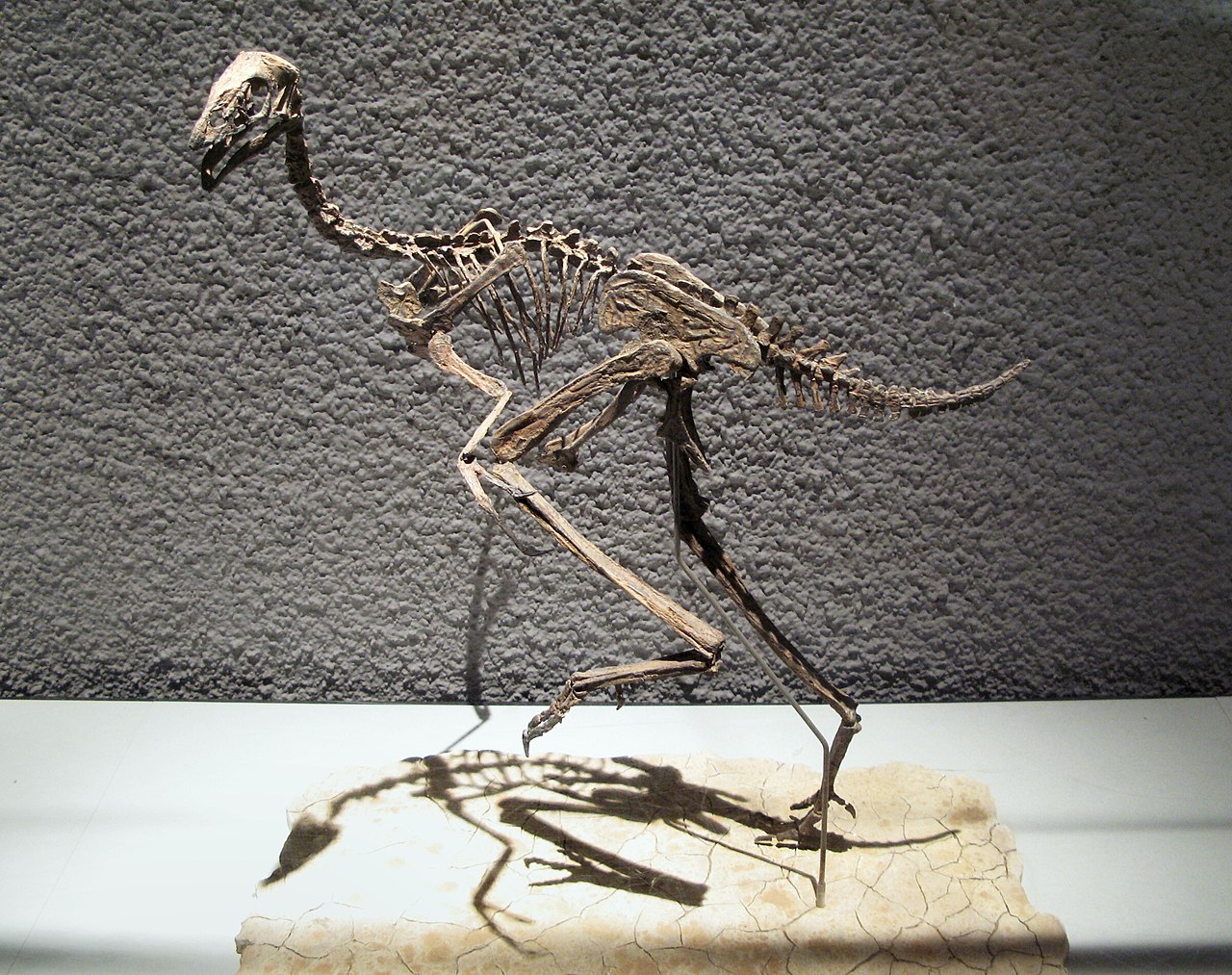




Key characteristics
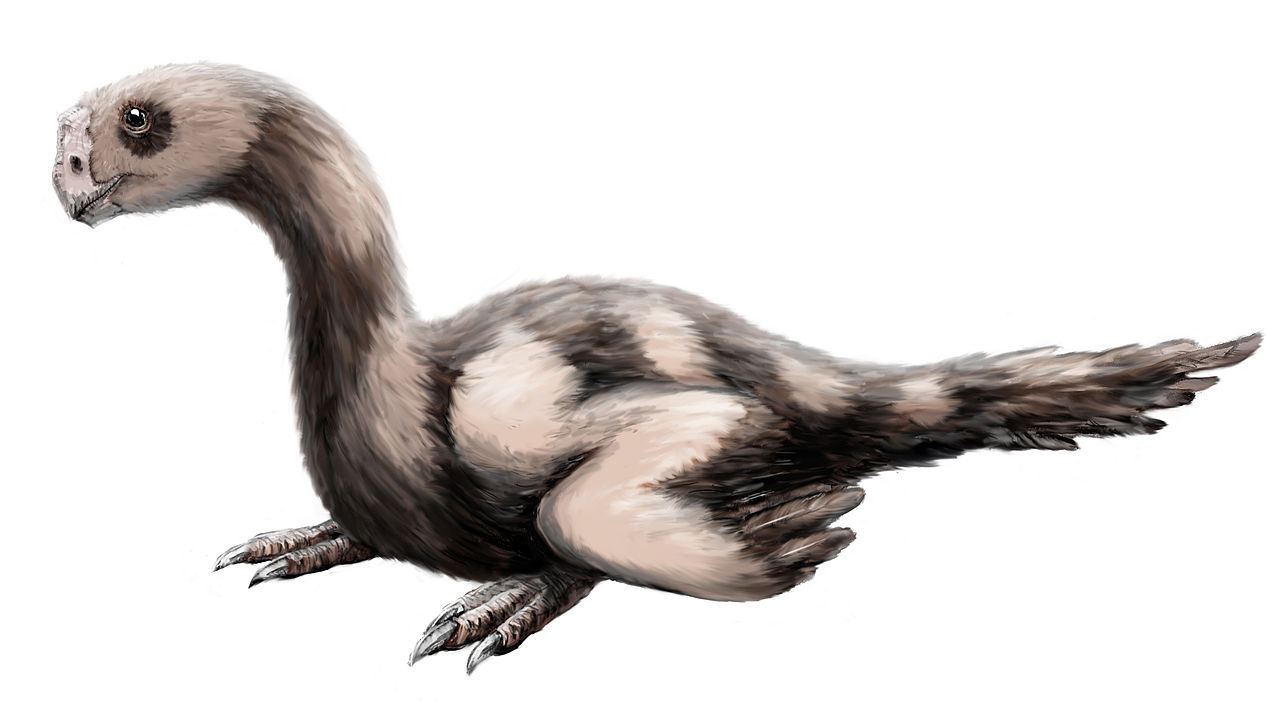
Members of this group typically have short, deep, parrot-like skulls and many possess bony crests or ornamentation on the head. Lower, more basal species retain teeth, but more derived oviraptorosaurs evolved edentulous beaks. Limbs and hands vary, but all show adaptations consistent with grasping and complex manipulation. Feather impressions are known from several species, indicating that feathers were common and sometimes elaborate.
Fossil record and discovery
Important early fossils come from the rich beds of China, including the Lower Yixian Formation, which has produced basal forms such as Protarchaeopteryx and Incisivosaurus. These taxa date to the Lower Cretaceous and document an early stage in oviraptorosaur evolution. Fragmentary remains that resemble oviraptorosaurs have been reported from elsewhere, and an isolated vertebra from England has been interpreted by some researchers as possibly related, hinting at an earlier or wider distribution than the best-known Asian localities.
Behavior, diet and ecology
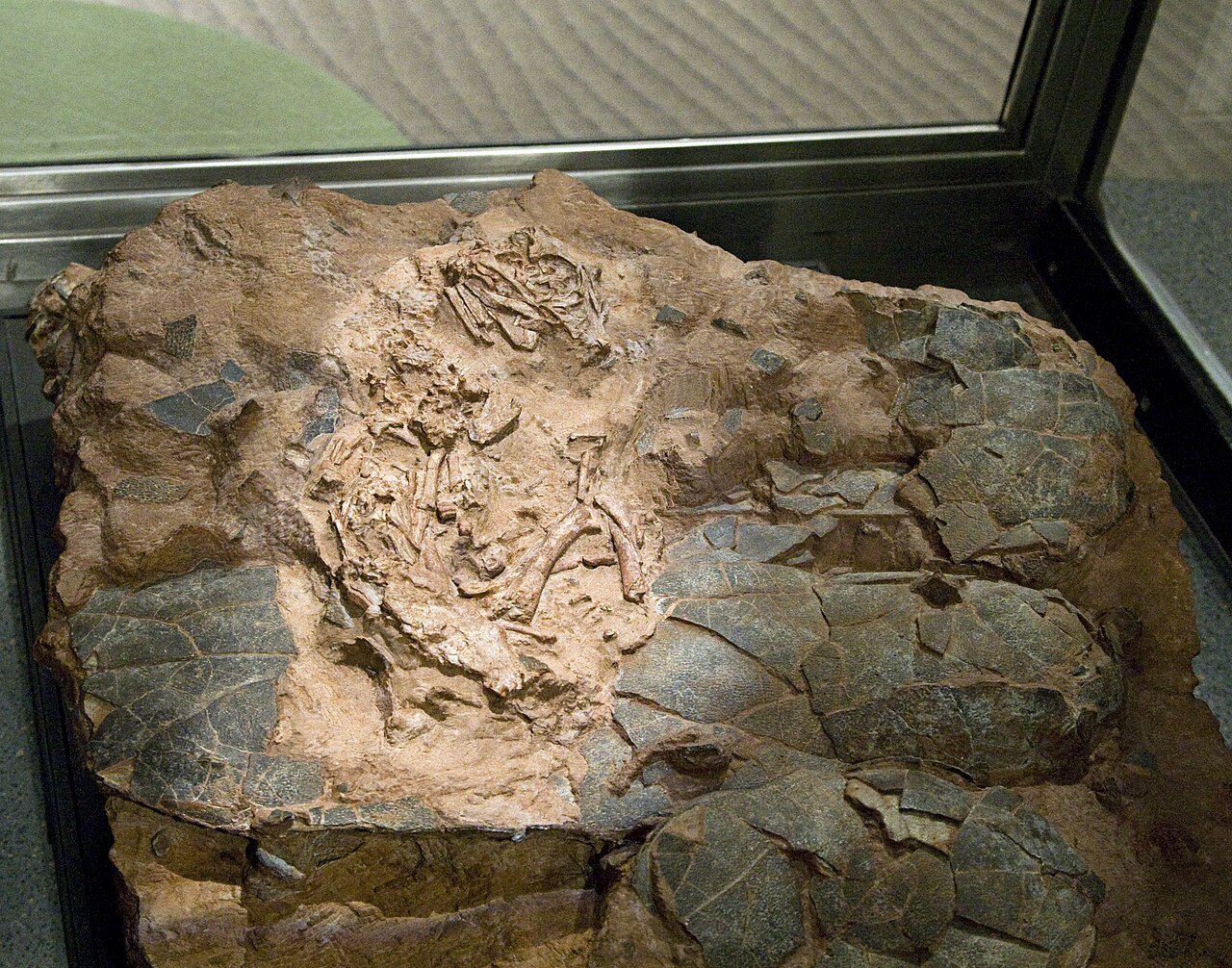
Oviraptorosaurs occupied a range of ecological roles. Skull and jaw shapes suggest diets that could include seeds, vegetation, small animals, and hard-shelled food items; some show adaptations consistent with crushing. Fossils found in association with nests and eggs indicate brooding behavior in several species, overturning older ideas that they were primarily egg thieves. Crests and other display structures likely had social and mating functions.
Importance and distinctions
- Bird relationship: Their birdlike anatomy and feathers place oviraptorosaurs near the origin of modern birds, and some authors regard them as primitive flightless avialans while others treat them as close relatives of the bird lineage.
- Size diversity: The clade shows extreme size variation from small, possibly ground-dwelling species to giant forms such as Gigantoraptor, demonstrating flexible ecological strategies.
- Rich Asian record: The most complete and informative fossils come from Asia, especially China, providing detailed insight into early feather evolution and behavior with fossils like Protarchaeopteryx and Incisivosaurus.
Summary
Oviraptorosaurs are a distinctive, well-documented group of feathered maniraptorans from the Cretaceous. Their combination of beaks, feathers, variable dentition, nesting evidence, and close ties to birds makes them a key subject for understanding the evolution of avian traits and the ecological diversity of theropod dinosaurs.
Questions and answers
Q: What is an oviraptorosaur?
A: An oviraptorosaur is a group of feathered maniraptoran dinosaurs from the Cretaceous period of what are now Asia and North America. They have short, beaked, parrot-like skulls, with or without bony head crests.
Q: How large were some oviraptorosaurs?
A: Some oviraptorosaurs ranged in size from Caudipteryx which was the size of a turkey to the 8 meter long, 1.4 ton Gigantoraptor.
Q: Where have most complete specimens been found?
A: Most complete specimens have been found in Asia while the North American record is sparse.
Q: Are oviraptorosaurs related to birds?
A: Oviraptorosaurs are close to the ancestry of birds and may either be primitive flightless birds or just close relatives of them.
Q: What are some early species of oviraptorosauria?
A: The earliest and most basal ("primitive") known species of oviraptorosauria are Protarchaeopteryx robusta and Incisivosaurus gauthieri, both from the lower Yixian Formation in China dating to about 125 million years ago in the Lower Cretaceous.
Q: Are there any earlier occurrences of this group than 125 million years ago?
A: There may be earlier occurrences as fragmentary species such as Calamospondylus oweni and Thecocoelurus daviesi could potentially represent even earlier members of Oviraptorosauria while a tiny neck vertebra from England shares some features in common with these dinosaurs which could suggest an occurrence at around 140 million years ago.
Related articles
Author
AlegsaOnline.com Oviraptorosaurs: the beaked, feathered maniraptorans of the Cretaceous Leandro Alegsa
URL: https://en.alegsaonline.com/art/73752
Sources
- geol.umd.edu : Winter 2010 Appendix.
- dx.doi.org : 10.1016/j.cretres.2011.03.001