
Glow-worm — bioluminescent insects and their biology
Glow-worms are bioluminescent insects found worldwide. This article explains their light production, life cycle, main groups, behavior, ecological roles and differences among families.
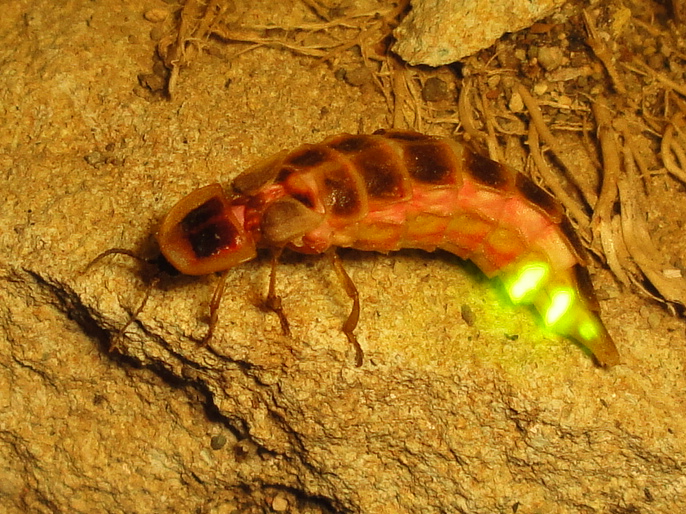
The term "glow-worm" (also written glowworm, firefly or lightning bug in common usage) refers to several groups of bioluminescent insects rather than to a single species. These animals are best known for producing visible light from specialized organs on their bodies. Their glow serves a variety of functions — most commonly mate attraction but also predation or defense — and appears in larvae as well as adults in many species.
Image gallery
7 Images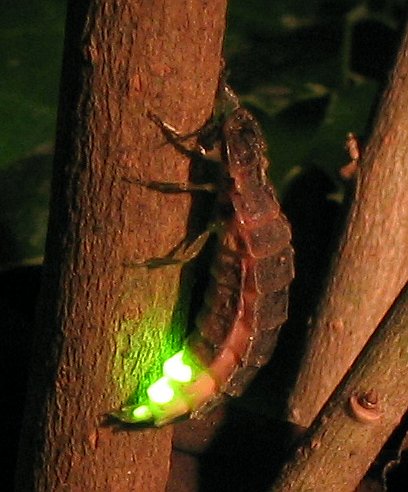



How they produce light
Glow-worms generate light through a biochemical reaction that typically involves a light-emitting pigment (luciferin), an enzyme (luciferase), oxygen and cellular energy. The reaction is highly efficient, producing little heat compared with an equal amount of artificial light. The exact chemistry and location of light organs vary between groups, and the color of the glow can range from greenish-yellow to orange and, in unusual cases, red.
Life cycle and behaviour
Most glow-worms follow an insect life cycle of egg, larva, pupa and adult. In many species the larval stage is predatory and capable of bioluminescence; larvae may glow to lure prey or to warn predators. Adult behaviour is often nocturnal: males commonly fly and search for glowing females, while females of some species are wingless and remain on vegetation to signal. Flash patterns and steady glows are species-specific and used in mate recognition.
Major groups
- Lampyridae (fireflies) — the best-known family of beetles; many lampyrid females are flightless in appearance and called glow-worms in literature. Lampyrid flashes are diverse and species-specific. Beetle family Lampyridae.
- Phengodidae — glow-worm beetles found in North America and South America. Some members include the so-called "railroad worms," which can display more than one color. Phengodidae.
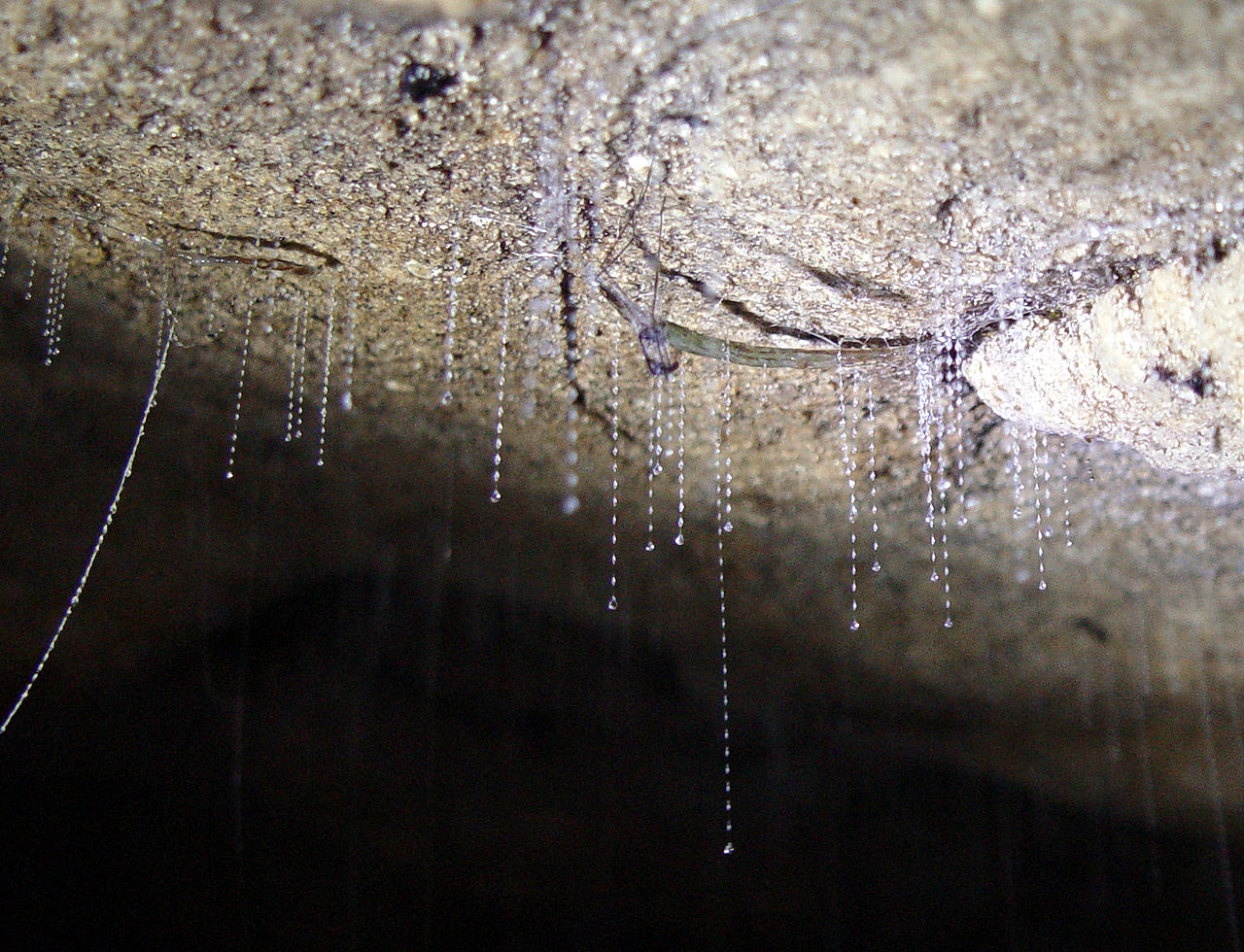
- Arachnocampa — a genus of bioluminescent fungus-gnat larvae (flies) native to Australia and New Zealand. These larvae dangle sticky threads and use light to lure in small flying prey. Arachnocampa are not beetles but are commonly called glow-worms.
Ecological and cultural importance
Glow-worms play roles in food webs as predators and prey, and as pollinators in some contexts. Their light signals are a classic study subject for animal communication and evolutionary biology. They feature in folklore, tourism (cave glow-worm displays), and scientific research into efficient light production. Conservation concerns exist where habitat loss, light pollution and pesticides reduce local populations.
Distinguishing features and notable facts
Not all animals called glow-worms are closely related; the name groups together several bioluminescent lineages. Flashing patterns, the presence or absence of wings in adult females, and the position and color of light organs help distinguish species and families. For general background, taxonomy and identification resources see entomological guides and biochemical overviews at light-production studies. Additional family-level information is available through specialist pages on insects, beetles and specific genera such as Arachnocampa or regional notes for North America and South America.
Readers seeking practical identification tips should consult field guides or local entomology resources; for conservation status and habitat protection information, regional authorities and scientific publications are recommended. For broader context about related families and distribution see entries on Phengodidae and other beetle families, plus regional natural history pages for Australia and New Zealand.
Related articles
Author
AlegsaOnline.com Glow-worm — bioluminescent insects and their biology Leandro Alegsa
URL: https://en.alegsaonline.com/art/39279