
Ægir: Norse sea giant and personification of the ocean
Ægir is a figure from Norse myth associated with the sea. Portrayed variously as a god, jötunn, host and brewer, he and his wife Rán embody the power and danger of the ocean in medieval sources and later culture.
Overview
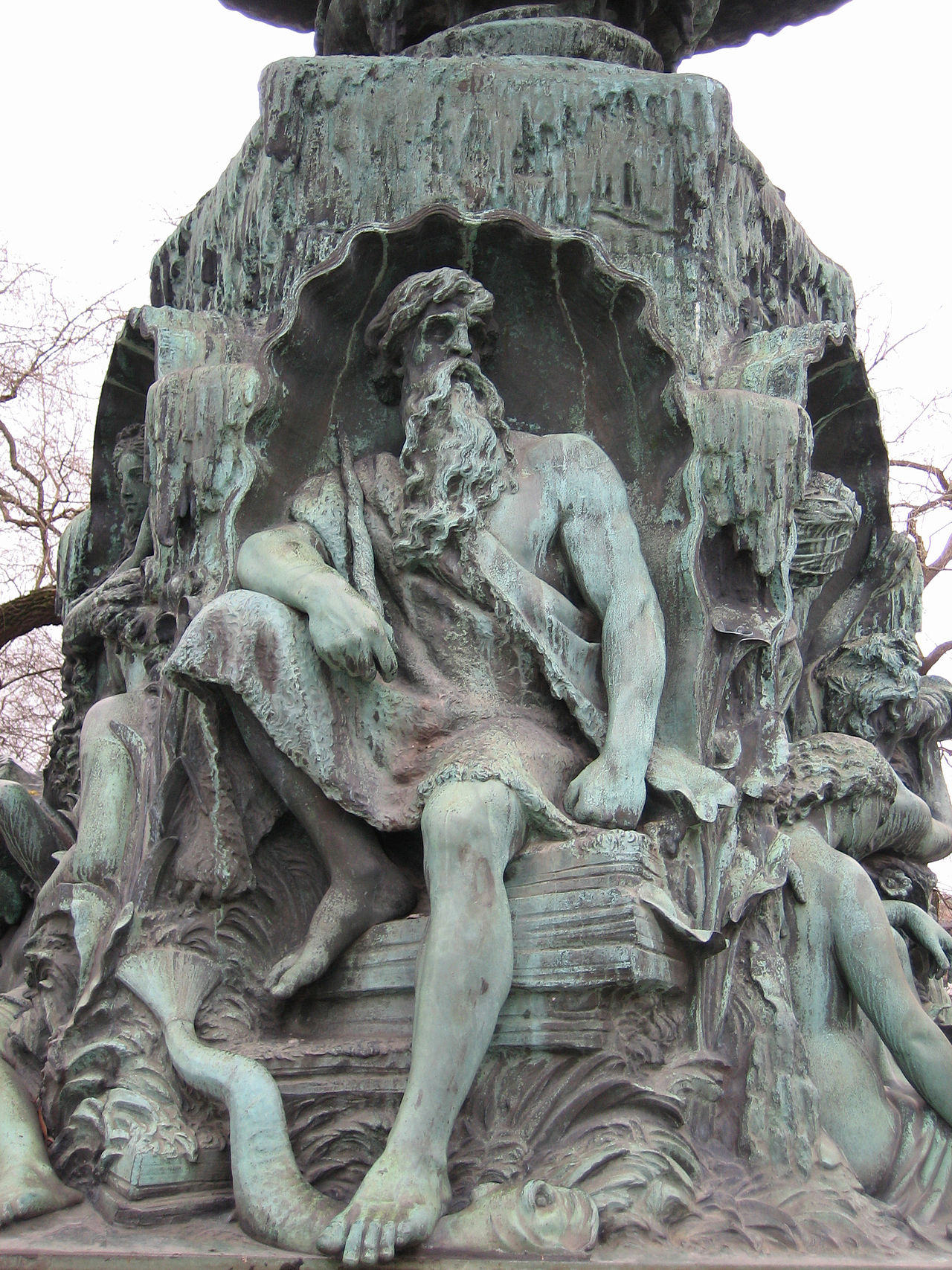
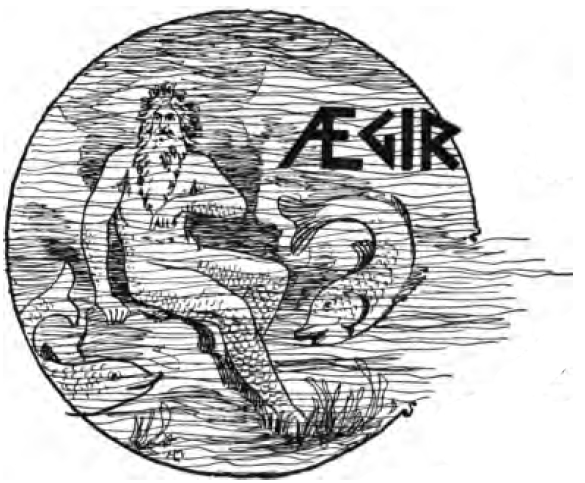
Ægir (Old Norse Ægir) appears in medieval Norse literature as a powerful sea-figure who personifies the ocean and its moods. He is commonly described as the husband of the sea-goddess Rán and the father of nine daughters often identified as waves. In the surviving material Ægir functions as both a fearsome force feared by sailors and a ceremonial host who entertains the gods.
Image gallery
4 Images

Name and nature
The name Ægir is closely linked in Old Norse language to the sea itself and is sometimes treated as a synonym for the ocean. Scholars note ambiguity in his portrayal: in some lists and poems he has traits of a god, while in others he is classed with giants (jötunn). This mixed identity reflects a wider Norse tendency to blur boundaries between divine, natural and monstrous figures.
Attestations and myths
Ægir appears in the Poetic Edda and Snorri Sturluson’s Prose Edda, among other medieval sources. Those texts describe episodes such as grand feasts held in Ægir’s hall, where he brews a famed ale for visiting gods, and the menace of Rán’s net, which captures seafarers. The nine daughters of Ægir and Rán are repeatedly described as personifications of the waves, a poetic way of naming different sea-states.
Characteristics and symbolism
- Host and brewer: Ægir is famed as a conciliatory host who brews ale for the gods, an image of hospitality juxtaposed with maritime peril.
- Danger of the sea: Together with Rán he embodies drowning and shipwreck—Rán’s net and Ægir’s strength explain sudden losses at sea.
- Ambiguous status: Literary evidence alternates between divine and giant-like descriptions.
Importance and later reception
In medieval Scandinavia references to Ægir would have carried cultural weight for coastal communities dependent on seafaring. Later centuries reinterpreted him in art, poetry and popular culture as a picturesque maritime figure. For further reading on Ægir and Norse sea-myths see general introductions to Norse mythology and texts that collect the Eddic poems, or consult specialist studies and translations available online at collections linked here: Norse mythology resources, studies of medieval sources, poetic editions, and modern commentaries.
Related articles
Author
AlegsaOnline.com Ægir: Norse sea giant and personification of the ocean Leandro Alegsa
URL: https://en.alegsaonline.com/art/38941