
Geras — personification of old age in Greek myth
Geras is the ancient Greek personification of old age, a minor deity born of Nyx and mentioned in early Greek poetry. He symbolizes decline and mortality rather than an active cult figure.
Overview
Geras is the personified spirit of old age in Greek mythology. He is treated as a minor deity or daimon who embodies the physical and social condition of advanced years rather than a god with an independent narrative. References to Geras are sparse and mostly literary, where he functions as an abstract presence marking decline and the passage of life.
Image gallery
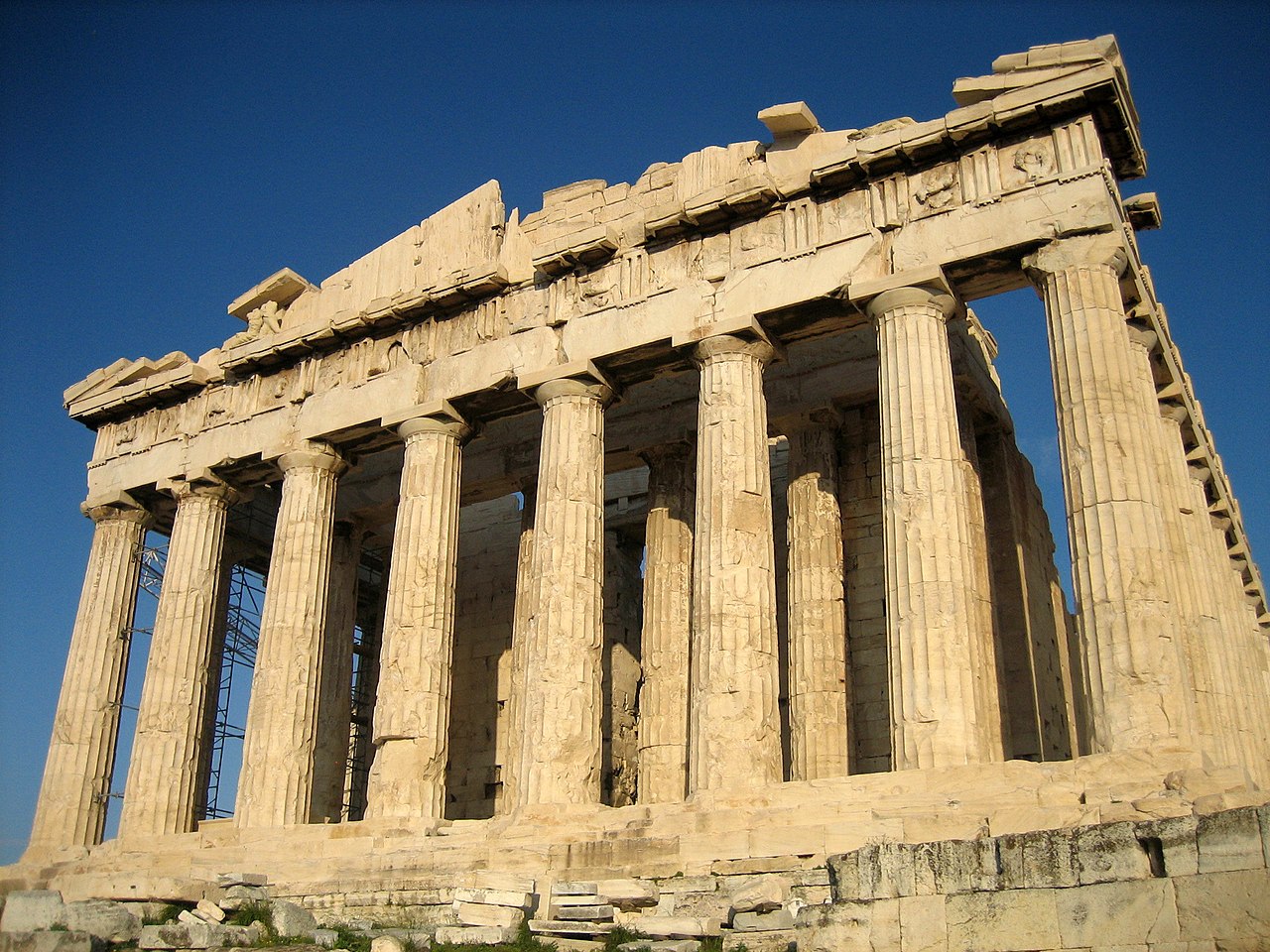
2 Images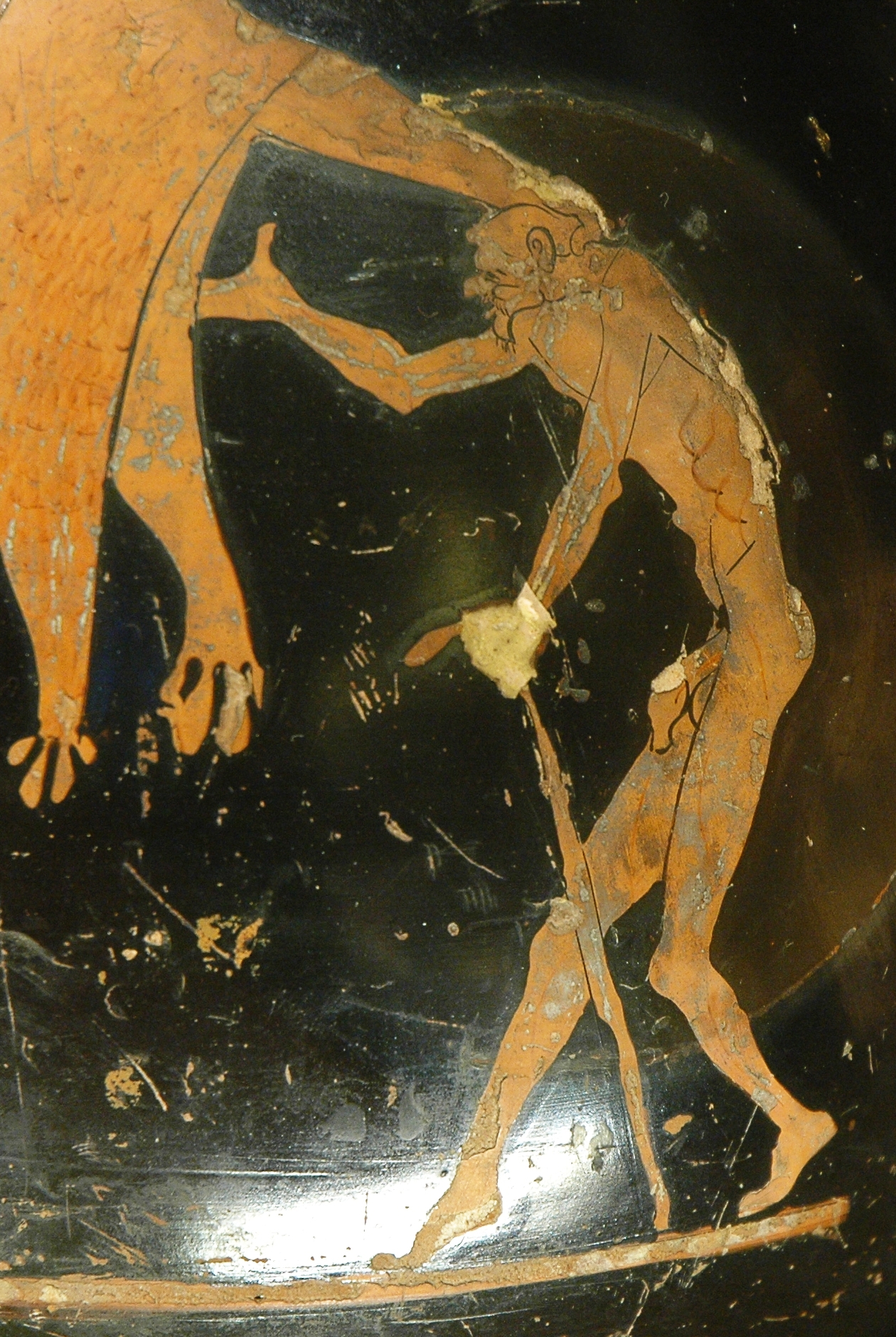
Characteristics and imagery
Ancient descriptions emphasize Geras as representing senescence: frailty, loss of strength and vigor, and the marks of time on the body. Classical authors and later commentators contrast him with youthful figures; art and poetry often depict such personifications as aged and decrepit. As an idea, Geras stands for the inevitable, natural stage of human life rather than for cruelty or punishment.
Origins and family
In classical genealogies Geras is listed among the children of Nyx, the night, who in some traditions bore several powerful personifications alone. He is typically described as having no father. Sources that name his parentage also associate him with other offspring of Nyx such as old age-related or death-related figures; for example, Hesiod groups him near personifications like Hypnos (Sleep) and Thanatos (Death).
Role, significance and uses
Geras has little evidence of organised cult or temple worship and is principally a literary and symbolic figure. Poets and moralists used him to evoke the loss of prowess and the respect or pity owed to elders. Philosophers and rhetoricians sometimes cite the idea of geras when discussing life cycles, social honors, or the bodily effects of time.
Distinctions and notable points
- Geras personifies γῆρας (old age); this is distinct from the Homeric word γέρας meaning prestige or prize.
- He is a minor figure: unlike gods with myths and cults, Geras appears mainly as a named concept in early lists of divine personifications.
- The name and image of Geras have been reused in later literature and art as a convenient symbol of ageing and mortality.
For brief further reading see classical summaries and compilations on personified concepts in ancient religion; more detailed discussions are available in scholarly treatments of Hesiodic theogonies and studies of how abstract qualities were given divine form in antiquity. Deity lists, accounts of age, and entries on Greek myth and Nyx provide starting points for deeper study.
Related articles
Author
AlegsaOnline.com Geras — personification of old age in Greek myth Leandro Alegsa
URL: https://en.alegsaonline.com/art/38411