
Gersemi — minor figure in Norse mythology
Gersemi is a little-attested figure in Norse myth, named as a daughter of Freyja and Óðr. Her Old Norse name means ‘treasure’ and she appears mainly as a poetic personification.
Overview
Gersemi is a minor character in Norse mythology traditionally described as a daughter of the goddess Freyja and the enigmatic figure Óðr. References to Gersemi are sparse in surviving medieval sources; she is better known for her name and what it signifies than for any separate myths or deeds. The broader cultural context of these brief mentions is the corpus of Norse myth and poetry, where personified names often serve as poetic figures rather than developed characters.
Image gallery
1 Image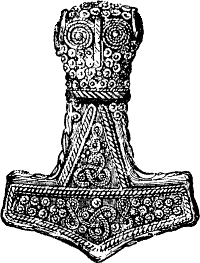
Name and meaning
The name Gersemi comes from Old Norse and is commonly glossed as "treasure," "jewel," or "precious thing." In the poetic language of the Norse skalds, words like Gersemi are used as kennings or evocative nouns for wealth and beauty. Because her sister bears a similar name, Gersemi functions in surviving texts chiefly as a lexical embodiment of riches and valuables.
Sources and historicity
Gersemi is attested only in a few medieval Icelandic writings and appears in genealogical or enumerative contexts rather than narrative episodes. No independent stories center on her, and scholars treat her as a minor, possibly symbolic, figure. The limited evidence means most assertions about her life or cult are speculative and should be stated cautiously.
Relationships and symbolism
As a child of Freyja, a major Norse goddess associated with love, beauty, fertility and wealth, Gersemi’s significance lies in the association with prosperity and precious things. Her father, Óðr, is an obscure figure sometimes compared to Odin; that connection underscores how mythic family ties were used to explain attributes and poetic metaphors.
Key points
- Gersemi is primarily known by name; few narrative details survive.
- Her name means "treasure" or "jewel" in Old Norse and is likely a personification of wealth.
- She is listed as sister to Hnoss, another daughter of Freyja with a similar name and function.
- Scholars view Gersemi as a minor mythic figure; interpretations emphasize poetic use and symbolism.
In sum, Gersemi illustrates a common feature of Norse mythic vocabulary: the overlap between proper names and descriptive terms. Where fuller legends are lacking, such figures reveal how Norse poets and compilers personified abstract concepts like treasure through familial ties to well-known gods.
Related articles
Author
AlegsaOnline.com Gersemi — minor figure in Norse mythology Leandro Alegsa
URL: https://en.alegsaonline.com/art/38529