
George Orwell (Eric Arthur Blair): life, works and legacy
English novelist, essayist and critic George Orwell (Eric Arthur Blair, 1903–1950) wrote influential works on totalitarianism, social justice and language, including Animal Farm and Nineteen Eighty-Four.
George Orwell was the pen name of Eric Arthur Blair (25 June 1903 – 21 January 1950), a prominent English writer known for fiction, journalism and social criticism. He adopted the name George Orwell for his published books and essays, deliberately choosing a clear, plain style intended to reach a wide readership; his use of a pseudonym is discussed in many biographies and studies of modern literature on his pen name.
Image gallery
10 Images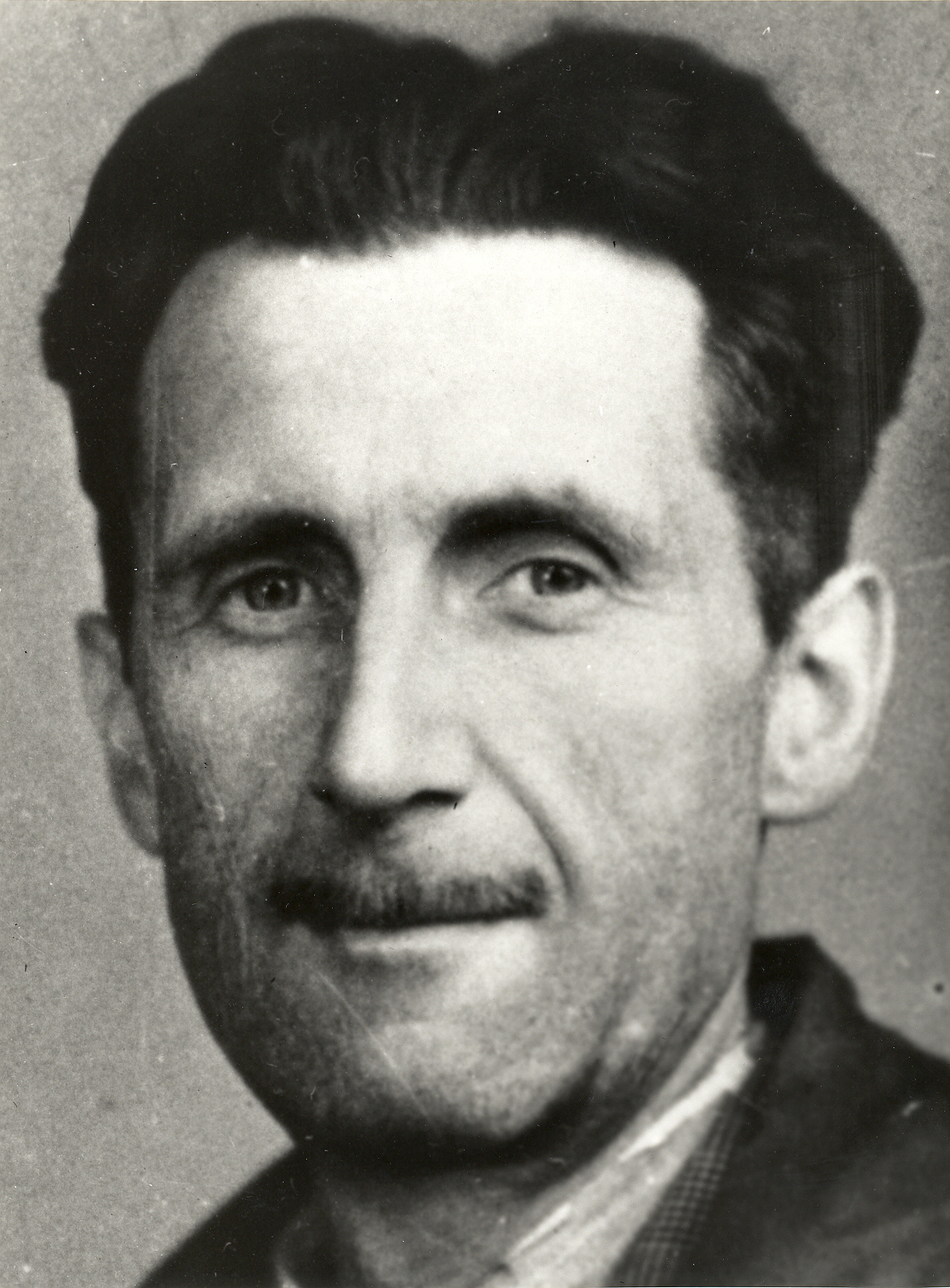


Early life and career
Blair was born in India during the era of the British Empire and spent portions of his childhood in Britain and abroad. After a period of service with the Indian Imperial Police in Burma he returned to Europe and turned to writing and journalism. These early experiences shaped his lifelong interest in class, authority and colonial power, themes that recur throughout his work and public commentary on empire and society.
Major works and themes
Orwell is best remembered for two late 1940s novels that remain widely read and quoted. They confront political power, propaganda and the mechanics of repression with stark clarity: his two best-known novels include:
- Animal Farm (a political fable that satirises authoritarian rule)
- Nineteen Eighty-Four (a dystopian novel about surveillance, language control and state terror)
Across these and many essays he criticized totalitarianism and particularly condemned the excesses of Soviet-style Stalinism, while also exploring democratic socialism, injustice and the corruption of language as political tool.
Political engagement and reporting
Orwell's political commitment was practical as well as intellectual. He fought in the Spanish Civil War with anti-fascist forces and later wrote about his experiences in Homage to Catalonia. His reportage and essays—on poverty, class and language—helped shape debates in mid-20th-century Britain and beyond.
Style, influence and legacy
Orwell combined clear, direct prose with moral urgency. Essays such as those on language and politics remain standard references for writers and critics. His warnings about propaganda, surveillance and the misuse of words entered popular discourse and continue to influence literature, political thought and media studies.
Orwell died of tuberculosis in London in 1950. His work remains widely read and studied for its ethical concerns, sharp social observation and enduring vocabulary—terms and ideas from his writing continue to appear in discussions of power, rights and public life.
Questions and answers
Q: Who was George Orwell?
A: George Orwell was an English writer whose real name was Eric Arthur Blair.
Q: What were Orwell's famous novels?
A: Orwell's famous novels were Animal Farm and Nineteen Eighty-Four.
Q: What did Orwell say about totalitarianism in his novels?
A: In his novels, Orwell said that totalitarianism, especially Stalinism, was very bad.
Q: What did Orwell do during the Spanish Civil War?
A: During the Spanish Civil War, Orwell fought with the antifascist troops who were against the dictatorship of fascist governments.
Q: How did Orwell die?
A: Orwell died of tuberculosis in London.
Q: When was Orwell born?
A: Orwell was born on June 25, 1903.
Q: Where was Orwell born?
A: Orwell was born in India during the British Empire's rule of India.
Related articles
Author
AlegsaOnline.com George Orwell (Eric Arthur Blair): life, works and legacy Leandro Alegsa
URL: https://en.alegsaonline.com/art/38263
Sources
- netcharles.com : Charles' George Orwell Links