
Nineteen Eighty-Four: George Orwell’s dystopian novel and its legacy
Overview and analysis of George Orwell’s Nineteen Eighty-Four: plot, themes (surveillance, language, totalitarianism), origins, notable terms, cultural impact, and copyright status.
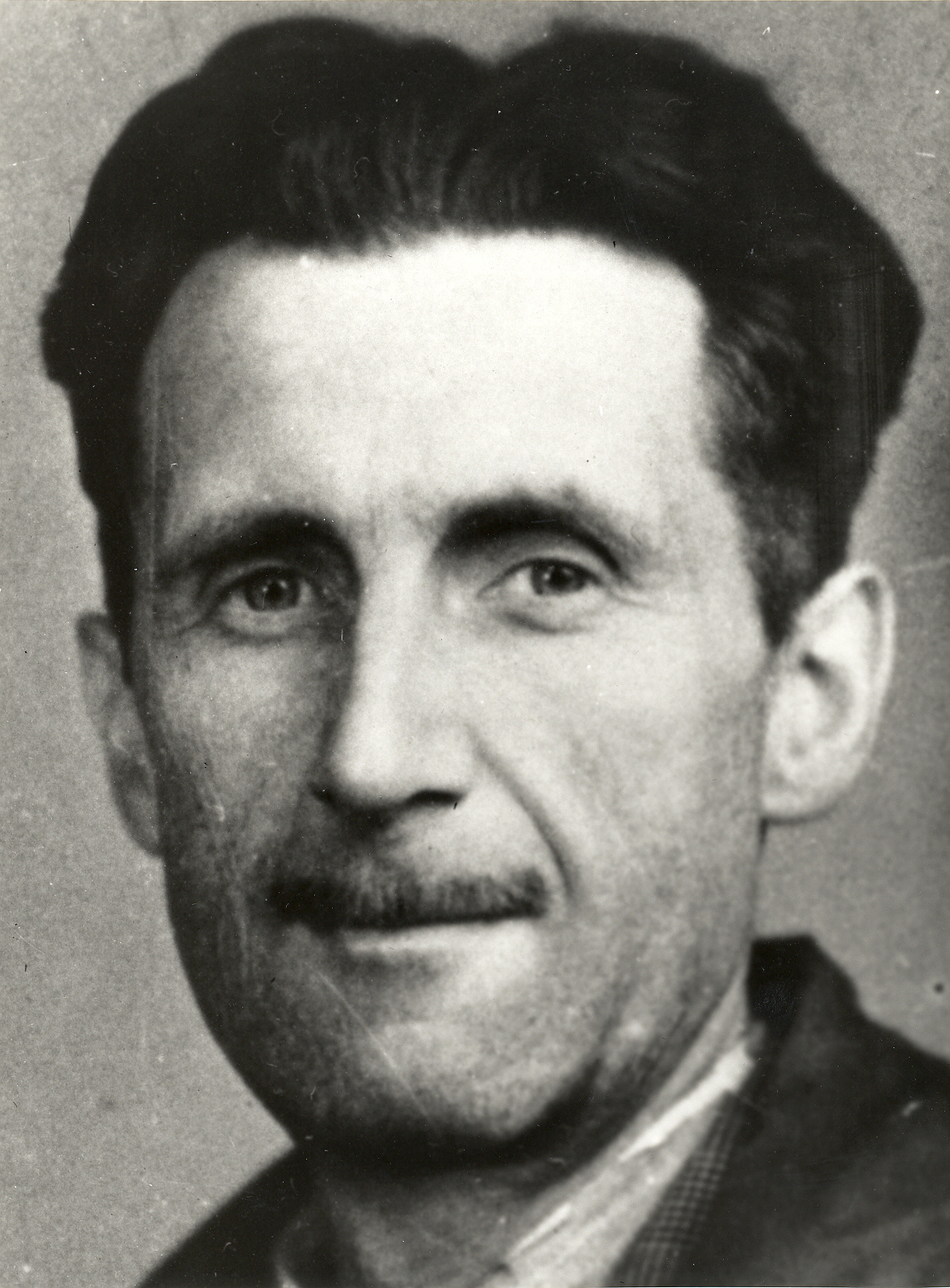
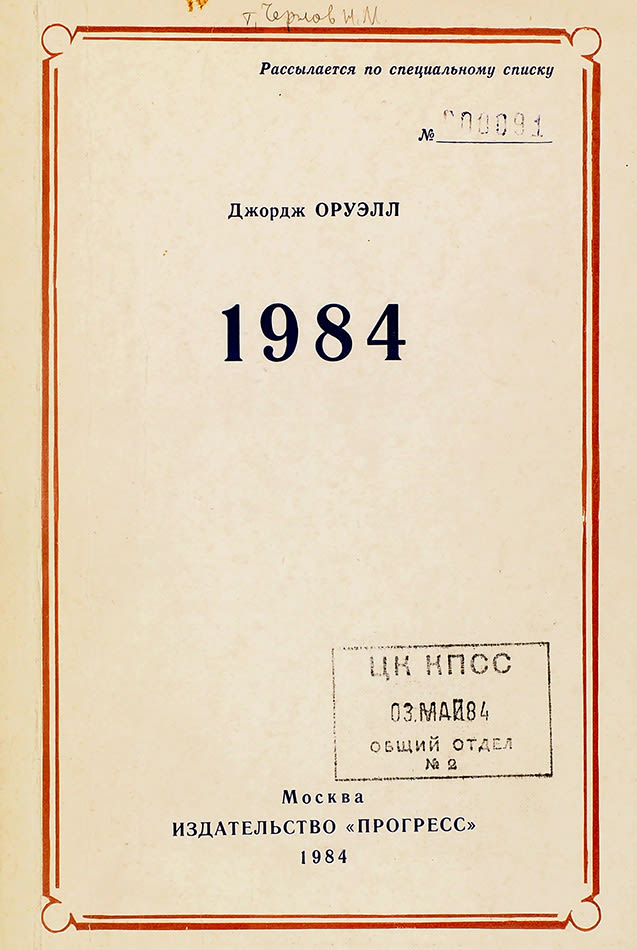
Nineteen Eighty-Four is a landmark dystopian novel completed in 1948 and published in 1949. Written by George Orwell, it imagines a future society dominated by a single ruling Party that monitors and shapes every aspect of life. The book is commonly cited in discussions about authoritarianism, state surveillance and the political use of language. For a concise bibliographic or commercial reference, see general entries on the work Nineteen Eighty-Four.
The narrative centers on Winston Smith, a low-ranking member of the Party who quietly resists the regime's control. Winston attempts to preserve private memory and personal feeling in a state where history is rewritten and dissent is punishable by erasure. The story follows his illicit relationship with Julia, their attempt at rebellion, and the Party’s methods of breaking opposition. This portrayal of a terrifying world of total oversight and manipulation remains a primary reason the novel endures in public debate. The protagonist is often referenced by name: Winston Smith, and his lover appears as Julia, both of whom are central to the novel’s human drama.
Image gallery
10 Images




Themes and notable concepts
- Surveillance and control: omnipresent monitoring, the cult of the leader, and the suppression of privacy.
- Language as power: the invention of Newspeak, a deliberately restrictive form of language designed to eliminate subversive thought.
- Historical revision and truth: the Party’s practice of rewriting records and erasing individuals—turning people into "unpersons".
- Psychological coercion: torture, re-education, and forced confessions as instruments of political domination.
Many of the novel’s terms and phrases have entered common usage; commentators and critics often point to its vocabulary when describing real-world phenomena. Collections of these expressions and their meanings are frequently gathered under discussions of the book’s famous words and ideas (key terms), including the ominous Room 101 and the concept of doublethink.
Origins and historical context
Orwell wrote the novel in the aftermath of World War II and amid rising anxieties about totalitarian regimes. His experience as a journalist and his observations of propaganda, censorship, and political cruelty shaped the book’s warnings. The year of composition (1948) was often stylized by Orwell himself as the numerical inspiration for the title; the novel was released to readers the following year. Since publication, critics and historians have debated the precise targets and influences in Orwell’s critique, but its broad concern with unchecked political power remains clear.
Reception, influence and status
The novel has been widely translated, adapted for stage and screen, and cited in legal, political and cultural debates. Terms from the book populate commentary about modern surveillance technologies and rhetoric around state secrecy. Prestigious lists and critics have repeatedly recognized its importance; for example, a major periodical ranked it among notable English-language novels of the twentieth century (Time magazine).
Notable legal and practical facts about the work’s availability have evolved: in some jurisdictions the book entered the public domain on January 1, 2021, affecting reproduction rights in the European Union and the United Kingdom, and altering copyright considerations (copyright) for publishers and adapters. Its continued presence in education, popular culture and public discussion underscores how Nineteen Eighty-Four functions both as a gripping story and as an influential civic cautionary tale.
For readers and researchers, the novel remains a primary reference for exploring how language, history and institutions can be manipulated to concentrate power. Scholarly and general interest sources provide resources for deeper study, commentary, and adaptation histories through critical bibliographies and public-domain editions (work reference).
Questions and answers
Q: When was Nineteen Eighty-Four written?
A: Nineteen Eighty-Four was written by George Orwell in 1948.
Q: What is the book about?
A: The book describes a terrifying future world where governments control and watch everyone's lives through the eyes of the main character, Winston Smith.
Q: Who is Winston Smith?
A: Winston Smith is the main character in Nineteen Eighty-Four. He lives in a country ruled by a powerful "Party" led by Big Brother and wants to change his situation.
Q: Who does Winston fall in love with?
A: Winston falls in love with Julia, who shares his desire to rebel against the government.
Q: What are some of the famous phrases from the book?
A: Big Brother, Newspeak, Room 101, and unperson are among the famous words and phrases from Nineteen Eighty-Four.
Q: What is the book's significance?
A: Nineteen Eighty-Four is a famous novel that provides a chilling vision of a totalitarian society and is considered one of the best English-language novels ever written.
Q: When did the copyright of the book run out?
A: The copyright of Nineteen Eighty-Four ran out on January 1, 2021, in the European Union and the United Kingdom, allowing anyone to reprint the book or use it as the basis for another story medium.
Related articles
Author
AlegsaOnline.com Nineteen Eighty-Four: George Orwell’s dystopian novel and its legacy Leandro Alegsa
URL: https://en.alegsaonline.com/art/70263
Sources
- netcharles.com : Charles' George Orwell Links
- npr.org : "NPR: 100 Best Characters in Fiction Since 1900"
- catalogue.bl.uk : catalogue.bl.uk/nde/search?vid=44BL_MAIN%3ABLL01_NDE