
Stalinism: ideology, policies, and historical legacy
Stalinism denotes the political system and policies associated with Joseph Stalin: centralized party rule, command economic planning, rapid industrialization, collectivization, personality cult, and extensive political repression.
Stalinism denotes the set of political practices, economic programs, and governing institutions associated with Joseph Stalin and the Soviet leadership that dominated the USSR roughly from the mid-1920s through the mid-1950s. The term is applied to a combination of centralized party rule, command-style economic planning, forceful social transformation, and methods of political control that concentrated power in a single leadership and its security apparatus. The name has been used by contemporaries and later historians; some accounts attribute coinage of the label to Soviet figures such as Lazar Kaganovich.
Image gallery
10 Images
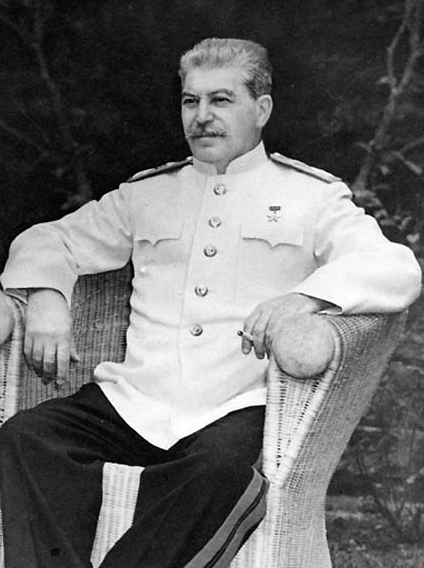


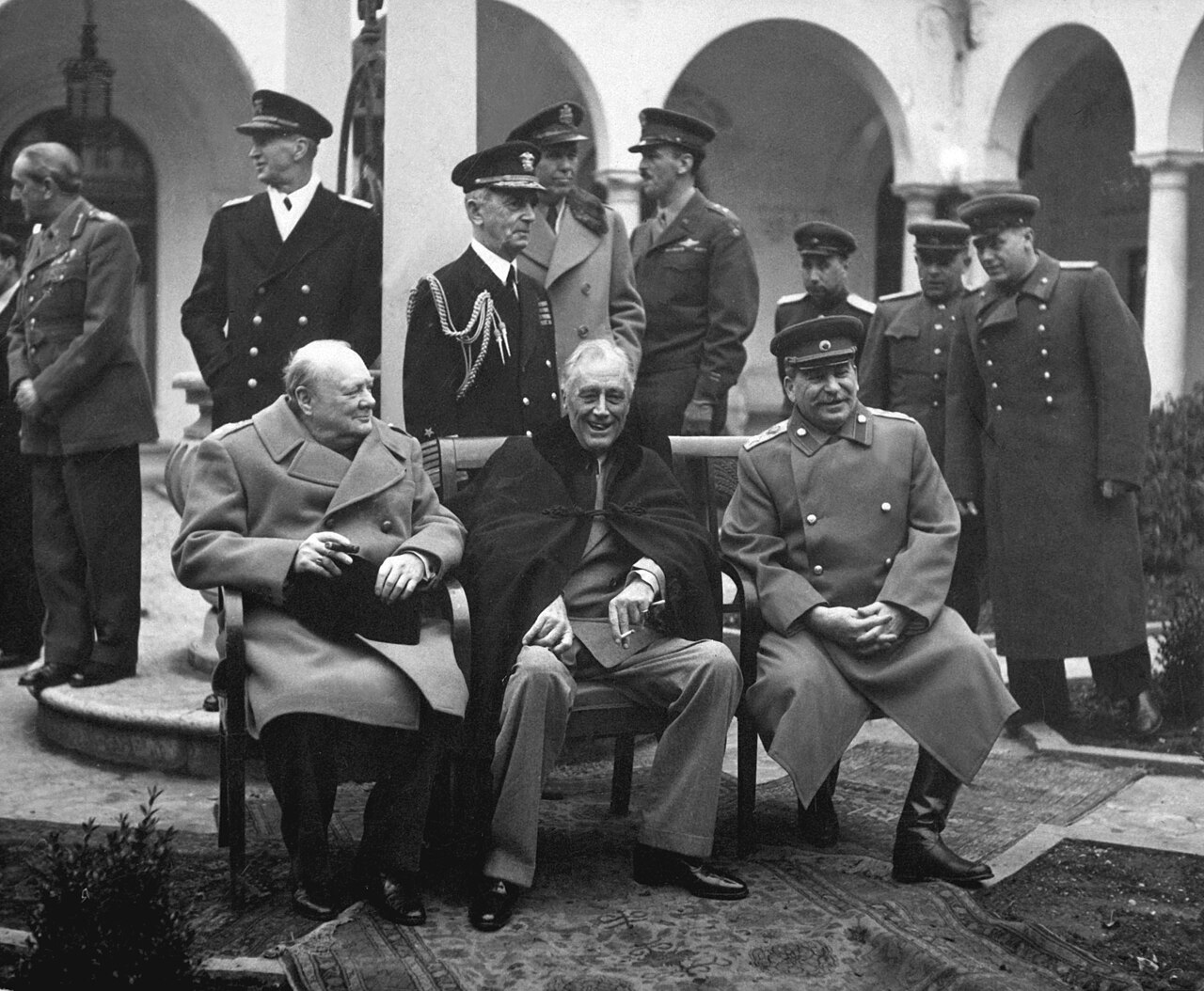


Core features
- Centralized authority: Political power was concentrated in the Communist Party hierarchy, with major decisions made by the leader and top organs of the party and state.
- Planned economy: The state directed investment, industry, and agriculture through multi-year plans designed to accelerate industrialization and military capacity.
- Collectivization: Rural land and production were reorganized into collective and state farms; the process was driven by state policy and enforced by administrative and coercive measures.
- Political repression: Security services, show trials, purges, mass arrests, forced labor camps and deportations were used against real and perceived opponents.
- Cult of personality: Propaganda, education, and cultural controls cultivated public reverence for the leader and suppressed competing claims to authority.
Policies and social effects
Economic programs, especially the system of five-year plans, prioritized heavy industry, infrastructure and armaments over consumer goods in order to transform a largely agrarian society into a major industrial power. These policies did produce rapid growth in industrial capacity and played a decisive role in the Soviet Union's ability to resist and mobilize during the Second World War. At the same time, campaigns such as forced collectivization and political purges caused widespread human suffering: disruptions to rural life, famines in some regions, mass arrests, executions, and long-term use of penal labor affected millions of people.
Repression and institutions
State security organs and a disciplinarian party bureaucracy enforced conformity and removed dissent. High-profile trials, the removal of rivals within the party, and broad networks of detention—known collectively outside the USSR as the Gulag system—were central instruments. Deportations of entire populations and administrative repression targeted a range of social groups, national minorities, and alleged enemies.
Historical trajectory and legacy
After the death of the leader commonly associated with these practices, the Soviet government began a process of reassessment and partial reversal often referred to as de-Stalinization. That process, public debate, archival releases and documentary collections, including materials such as the Mitrokhin Archives, have broadened understanding of the era and its mechanisms. Historians continue to debate the balance between economic and strategic achievements and the moral and human costs of the policies implemented under this system.
Usage and contested meanings
The term is used in multiple registers: as a historical label for a specific period and set of policies in the Soviet Union, as a descriptive adjective for regimes that resemble those practices, and as a point of contention among political theorists and historians. For biographical and primary-source context on the central figure associated with these policies, see Joseph Stalin. Research into the period draws on party archives, memoirs, intelligence collections and scholarship that seek to place institutional developments and individual decisions in their broader historical setting.
Related articles
Author
AlegsaOnline.com Stalinism: ideology, policies, and historical legacy Leandro Alegsa
URL: https://en.alegsaonline.com/art/93278
Sources
- nytimes.com : "The Sword and the Shield: The Mitrokhin Archive and the secret history of the KGB"
- assets.cambridge.org : The Political economy of Stalinism
- commons.wikimedia.org : Commons