
George Eliot (Mary Ann Evans): Victorian novelist and literary realist
George Eliot, the pen name of Mary Ann Evans (1819–1880), was a leading English novelist of the Victorian era known for psychological realism, moral complexity, and masterpieces such as Middlemarch.
Overview
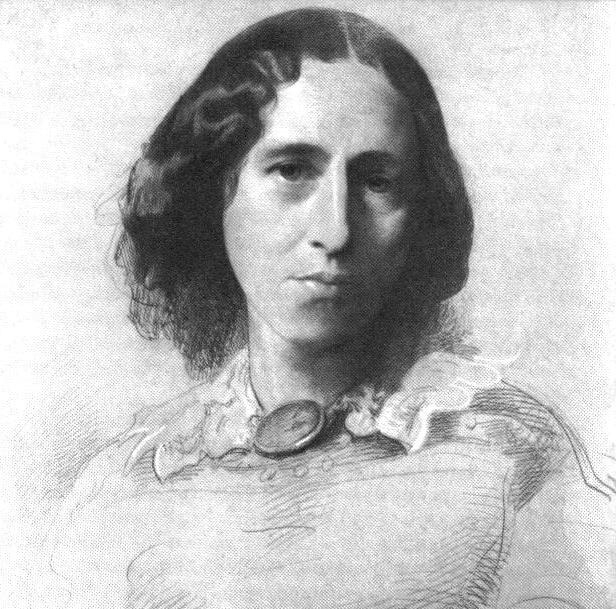
George Eliot was the pen name of Mary Ann (Marian) Evans (22 November 1819 – 22 December 1880), an English novelist, critic and editor. Regarded as one of the foremost writers of the Victorian era, she created long, psychologically acute novels that examine provincial life, moral choice and social change. Her best-known work, Middlemarch, is often cited as a major achievement of 19th-century fiction and remains central to studies of realist narrative.
Image gallery
8 Images



Life and early career
Evans was born in Nuneaton, Warwickshire, the youngest child of Robert and Christiana Evans. After a local education she worked as a governess and then moved into literary and intellectual circles. Her early published work included translations and journalism; notably she translated Ludwig Feuerbach's The Essence of Christianity from German into English during a period of continental travel and study in Europe. That translation, published under her own name, marked a stage in her development as a public thinker and translator.
Major works and publications
To avoid the prejudices faced by women writers of her time, Evans adopted the male pseudonym George Eliot when she turned to fiction. Her novels combine detailed social observation with moral inquiry. Major works include:
- Adam Bede (her breakthrough novel)
- The Mill on the Floss
- Silas Marner
- Romola
- Middlemarch (frequently called her masterpiece)
- Daniel Deronda
Themes, style and significance
Eliot's work is noted for its psychological depth, close attention to social context and a broadly omniscient narrative voice that explores the motives and ethical dilemmas of characters across classes. She moved away from sensational plot toward studies of everyday life, education, duty and the conflict between private desire and public responsibility. Her moral seriousness and sympathy for flawed characters influenced later realist and modernist writers.
Personal life, relationships and later years
Evans lived for many years in London and formed an important intellectual and personal partnership with the critic George Henry Lewes; because his first marriage was not legally dissolved the couple did not marry. She edited and contributed to periodicals and remained active in literary debates. In 1850 she travelled on the European continent to deepen her studies of philosophy and literature; those continental experiences informed both her translations and later fiction.
Death, reputation and notable facts
Evans died on 22 December 1880 after a recurrence of the kidney ailment that had troubled her, usually described in contemporary accounts as a form of kidney disease. Her novels have been widely reprinted and remain central to courses on Victorian literature. She chose the male pen name so her work would be judged on its merits and not dismissed as feminine entertainment; that decision, together with her rigorous moral imagination, helped secure her place in the literary canon. For further general reference see entries on her life and works and critical studies of realism and moral psychology in literature (novelist, Victorian, most famous book).
Related articles
Author
AlegsaOnline.com George Eliot (Mary Ann Evans): Victorian novelist and literary realist Leandro Alegsa
URL: https://en.alegsaonline.com/art/38210
Sources
- 4marijuanaseeds.nl : "Eliot's biography"
- online-literature.com : "Georg Eliot"
- victorianweb.org : "About Evans"